Palawan — The landscape of consumer electronics is undergoing a notable shift as the rapid expansion of artificial intelligence (AI) begins to impact the cost of everyday devices. Across the globe, demand for memory chips—essential components for both high-end data centers and our personal gadgets—has surged to unprecedented levels. Because manufacturers are prioritizing the production of high-performance components for large-scale AI infrastructure, the supply available for smartphones, laptops, and gaming consoles has tightened significantly. For those currently eyeing a new upgrade, this means that many popular tech products are becoming more expensive than they were just a year ago. This trend reflects a broader challenge where the needs of emerging AI technology are directly influencing the affordability of the tools we use in our daily lives.
AI Infrastructure Driving Global Memory Chip Supply Constraints
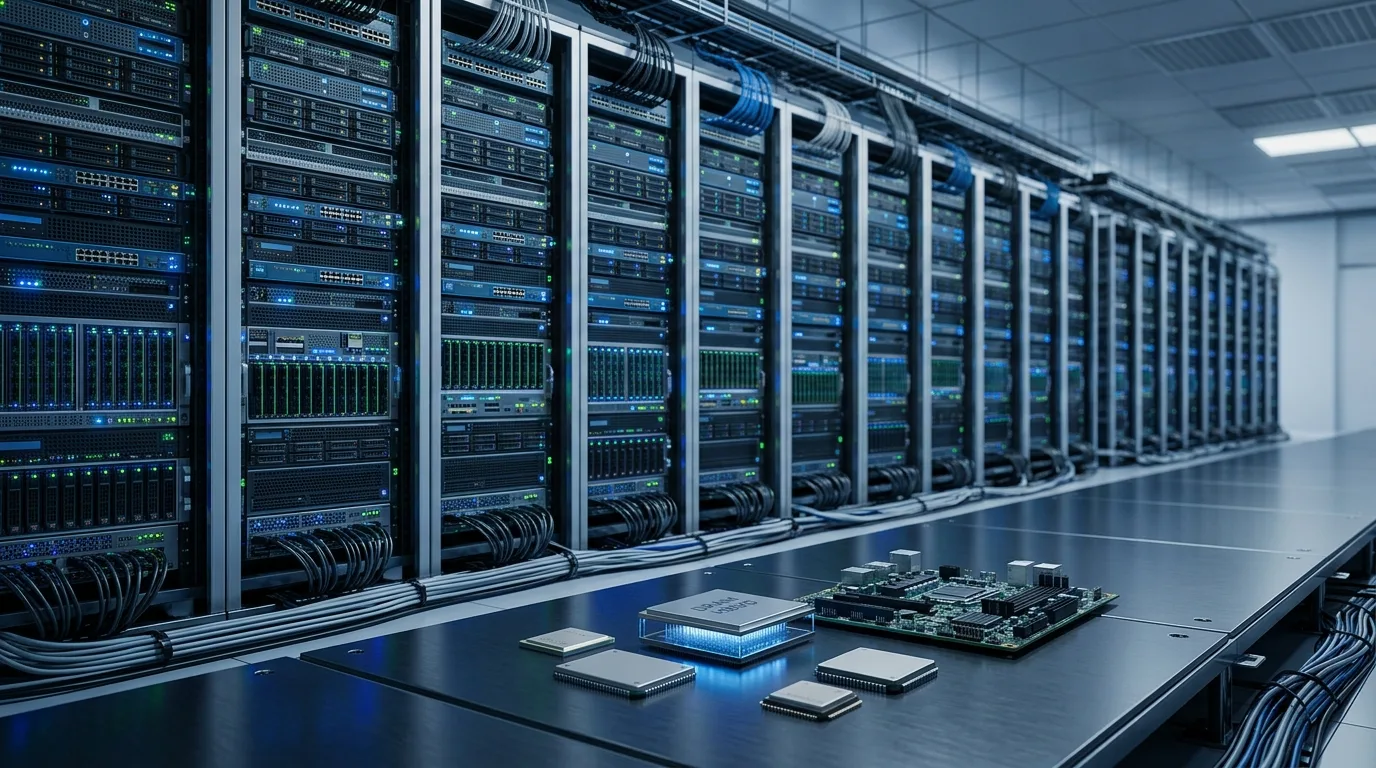
At the heart of this price trend is the intense competition for DRAM and NAND flash memory, which are the building blocks for modern computing power. AI data centers, which require enormous volumes of memory to function, are currently absorbing a vast portion of the global manufacturing capacity, leaving less for the consumer market. This situation has been described by industry analysts as a major supply squeeze, where the high profitability of AI-focused chips encourages companies to shift their manufacturing priorities. As a result, the cost of these components has increased, and these additional expenses are increasingly being passed on to the people who buy phones and computers.
Manufacturers Adjusting Strategies In Response To Market Pressures
Faced with rising component costs, tech companies are adopting different strategies to navigate the current market environment. Some brands are increasing the retail prices of their devices, while others are quietly reducing specifications—such as offering less RAM or storage—to keep their products at a more competitive price point. This can be particularly noticeable in the budget-friendly segment, where manufacturers operate on lower margins and have less flexibility to absorb these added costs. While some larger, high-end brands may have long-term supply agreements that offer them a degree of protection, the overall trend points toward a market where getting the same value for your money is becoming more difficult.
What This Means For Future Technology Shopping Trends
While experts suggest that supply and demand will eventually reach a new balance, there is little expectation that prices will return to previous lows anytime soon. For those planning to purchase new electronics, it is useful to monitor these changes, as the current environment of higher costs may persist well into the coming year. Whether you are looking for a reliable laptop for work, a smartphone for your travels, or a console for gaming, staying informed about these industry-wide shifts can help you make better decisions. Ultimately, the tech market is adapting to a new era where AI integration is not just changing how our devices function, but also how much they cost when they finally reach store shelves.