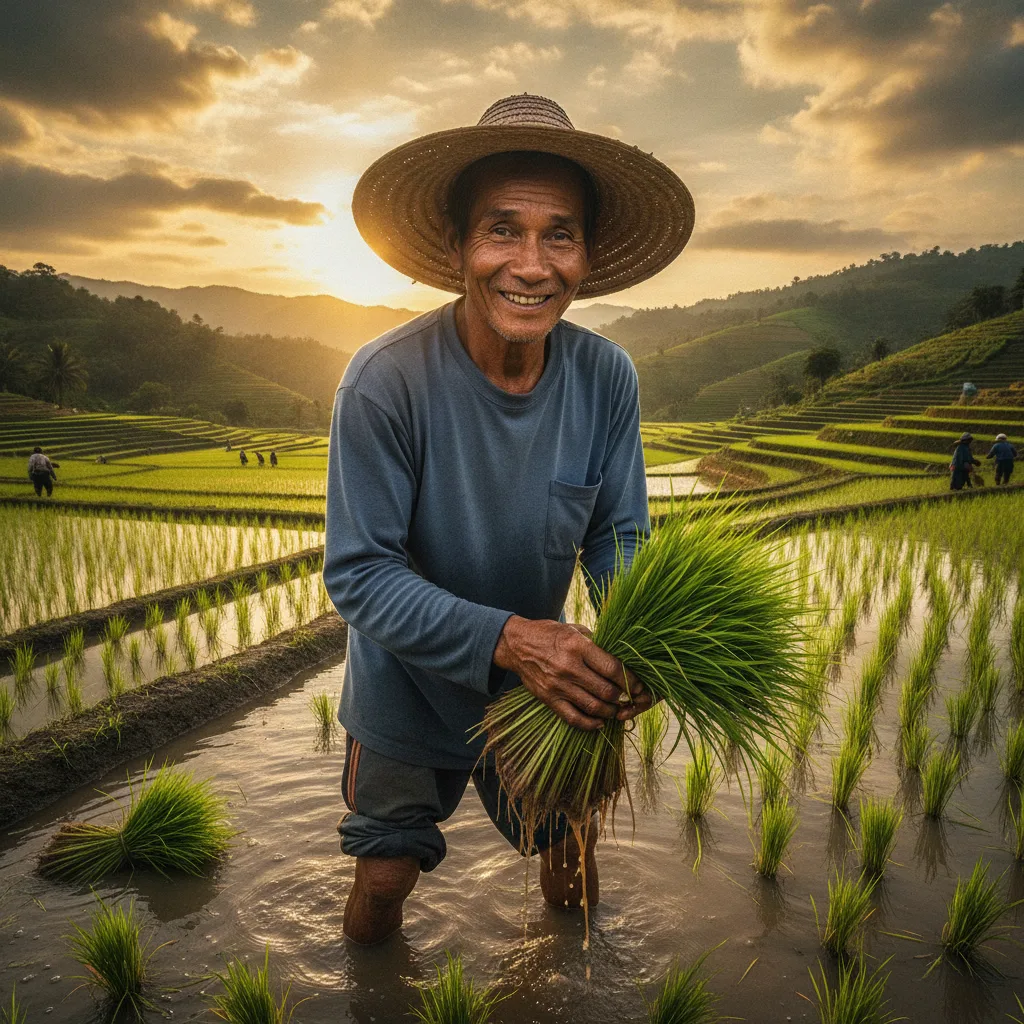
The World Bank has announced the release of $248 million, a substantial portion of its $1-billion loan facility dedicated to bolstering the agricultural sector across the Philippines. This financial injection is a critical step in modernizing the nation's farming practices, enhancing food security, and creating sustainable livelihoods for countless Filipinos. The funds are expected to flow into various projects designed to improve productivity and resilience within the country's vital farming communities.
Activating a Performance-Tied Financing Model and Verifying Disbursement-Linked Indicators
This latest disbursement underscores an ongoing commitment to transform Philippine agriculture, which remains a cornerstone of the national economy. The total $1-billion loan, previously approved, aims to address long-standing challenges faced by farmers, from outdated technologies to vulnerability to climate change. The immediate release of this significant tranche means that tangible projects and programs are either underway or set to commence, promising direct benefits to rural areas.
Expanding Rural Farm Income, Securing Food Supply Lines, and Stabilizing Domestic Commerce
For every Filipino, whether residing in the archipelago or working overseas, a robust agricultural sector translates directly to a more stable future. This investment is poised to generate new employment opportunities in rural areas, potentially stemming the tide of internal migration to overcrowded cities and even reducing the necessity for some to seek work abroad. A stronger agricultural base also means more affordable and accessible food for all, directly impacting household budgets and overall food security for Filipino families. Increased local production can lead to reduced reliance on imports, strengthening the national economy and providing a more stable environment for domestic businesses.
Modernizing Cold Storage Assets, Reforming Digital Vouchers, and Enhancing Agrifood Supply Chains
This development offers a beacon of hope and practical opportunities. For Filipinos considering returning home or investing in their homeland, a revitalized agricultural sector could present viable business ventures or stable employment prospects. Overseas Filipino Workers (OFWs) with families back home may see their relatives benefit from improved rural economies, potentially easing the financial burden on remittances. It is crucial for communities to stay informed about how these funds are being utilized, advocate for transparency, and ensure that the benefits reach the small-scale farmers and agricultural workers who need them most. Understanding these developments can empower Filipinos to make informed decisions about their economic future and that of their families.