


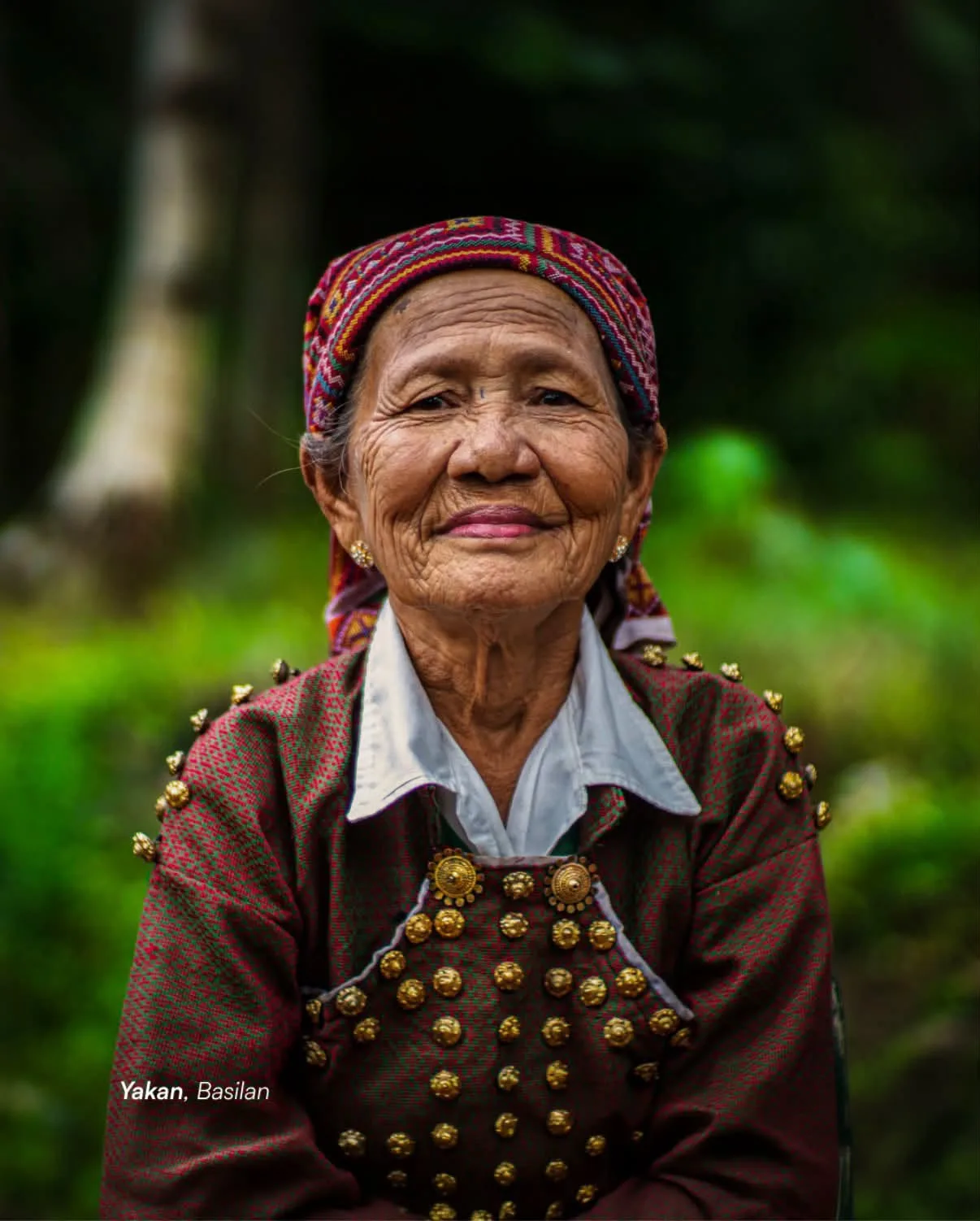
PHILIPPINES — Every September 27, the global community observes World Tourism Day to recognize travel's social, economic, and cultural value. For the Philippines, an archipelago of over 7,000 islands, the occasion carries distinct weight as tourism remains a primary engine of national development, community empowerment, and environmental preservation.
A Pillar of the Philippine Economy
Tourism contributes between eight and nearly thirteen percent of the country's gross domestic product during peak periods. The industry supports millions of jobs, from hospitality workers and tour guides to transport operators and food service staff, making it a fundamental pillar of national development and household income.
The sector's economic ripple effects extend far beyond hotels and resorts. Local farmers supply fresh seafood and produce, artisans create souvenirs, and family-owned eateries thrive on visitor spending. This interconnected network creates vast economic activity that reaches even the most remote communities across the archipelago.
Empowering Communities Beyond Metro Manila
Tourism serves as a powerful tool for decentralizing wealth and bringing opportunities to rural and coastal provinces. Through community-based ecotourism, remote villages transform their natural environments into sustainable livelihoods. Siargao's surfing culture, Palawan's mangrove paddle tours, and the Cordillera's ancient rice terraces all showcase this inclusive model in action.
When visitors spend money locally, boat captains, traditional weavers, and homestay hosts earn directly from tourism. This grassroots economic flow strengthens families and encourages young Filipinos to build futures in their hometowns rather than migrating to already overcrowded metropolitan areas.
Protecting Paradise Through Sustainability
Coastal and marine tourism accounts for roughly a quarter of all Philippine tourism revenues. The world-famous rehabilitation of Boracay Island demonstrated that strict carrying capacity limits, wastewater management standards, and beachfront setback rules can restore damaged ecosystems while sustaining strong visitor interest in the destination.
Climate resilience is equally vital for the industry's future. Protecting mangrove forests, restoring damaged coral reefs, and adopting green building standards safeguard both fragile ecosystems and the long-term viability of tourism-dependent communities that face increasing threats from typhoons and rising sea levels.
Celebrating Culture and National Identity
Tourism preserves cultural heritage by creating tangible economic value for traditions. UNESCO World Heritage Sites like Vigan, the Ifugao Rice Terraces, and historic Baroque churches receive protection because visitors travel great distances to experience them firsthand. Regional festivals draw crowds that sustain local performing arts and craftsmanship.
Artisan skills such as Inabel weaving in Ilocos and T'nalak textile production by the T'boli people survive because tourists value and purchase these authentic creations. World Tourism Day reinforces cultural pride, inspiring younger generations to appreciate and continue traditions that might otherwise fade into memory.
The Road Ahead for Philippine Tourism
Digital innovation is reshaping how travelers experience the Philippines. Smart destination marketing platforms showcase lesser-known locations beyond traditional hotspots, while streamlined e-visas, digital entry declarations, and cashless payment systems make travel more convenient. Data-driven tools help manage visitor flows and protect fragile natural ecosystems.
Filipino hospitality remains the country's greatest tourism asset, celebrated in national campaigns worldwide. When matched with strategic planning, environmental responsibility, and equitable economic distribution, the industry promises lasting prosperity for millions of households across the archipelago and generations to come.
