Knowing What Communities Throw Away
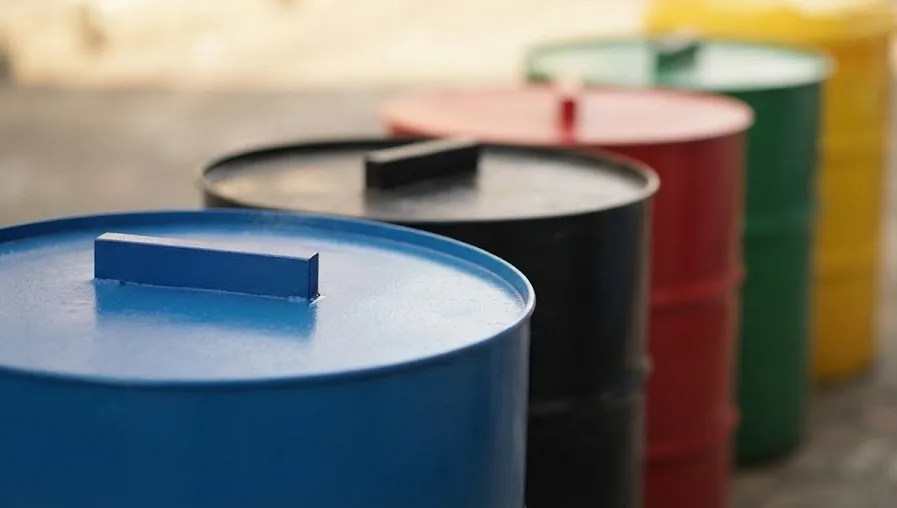
OZAMIZ CITY - Every successful waste management program starts with accurate information. Through the Waste Analysis and Characterization Study, participating barangays sorted and measured different categories of waste, including biodegradable materials, recyclables, residual waste, and special waste. The findings help local officials understand which materials make up the largest share of household garbage and where improvements can be made. Instead of relying on estimates, Ozamiz City can use actual data to design environmental programs that address the community's specific waste profile. This evidence-based approach helps ensure that future initiatives respond to real conditions rather than assumptions.
Turning Information Into Practical Solutions
Once waste patterns are identified, communities can develop targeted solutions. A high volume of biodegradable waste may encourage expanded composting programs, while larger amounts of recyclable materials can strengthen collection and recovery initiatives. Schools, households, and businesses also benefit from educational campaigns that focus on reducing waste at its source. By understanding which materials are commonly discarded, local governments can allocate resources more efficiently while encouraging residents to adopt better waste segregation practices. These practical improvements contribute to cleaner neighborhoods and more sustainable waste management systems.
Supporting a Cleaner Future for Ozamiz City
Effective environmental management depends on continuous improvement. Waste characterization studies provide a benchmark that allows the city to measure the success of future programs and identify new priorities as communities grow. They also support compliance with the Ecological Solid Waste Management Act of 2000 (Republic Act No. 9003), which encourages scientific planning for local waste management. For Ozamiz City, combining accurate data with community participation creates opportunities to reduce landfill waste, strengthen recycling efforts, and build a cleaner urban environment that benefits both residents and future generations.