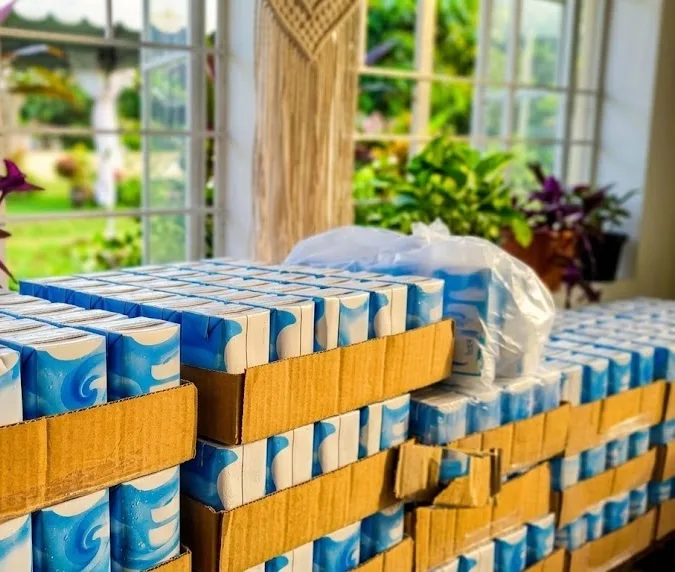
More Than a Drink: Giving Milk a Place at the Table
OZAMIZ CITY - Milk is a familiar part of many Filipino households, whether served with breakfast, enjoyed as a snack, or included in a child's daily meal routine. Through Lakas sa Gatas, DepEd Region X highlights milk consumption as part of its broader school-based feeding efforts for learners. The campaign complements the nutritional goals of the School-Based Feeding Program, which provides food support to eligible learners in public schools. By drawing attention to milk, the initiative makes nutrition a subject that families can also discuss at home, from choosing appropriate drinks to building more balanced eating habits. It is a practical reminder that children's nourishment involves the food and drinks made available to them throughout the day.
School Feeding Connects Nutrition With Everyday Food Choices
A school feeding initiative involves more than placing food on a plate; it also brings attention to the nutritional needs of growing children. Under the School-Based Feeding Program, food supplementation and milk feeding are intended to help address undernutrition among eligible learners. The Lakas sa Gatas campaign adds a focused message about milk to these efforts, helping make the subject of children's nutrition easier to recognize and discuss. For families in Ozamiz, the initiative provides a timely opportunity to consider how milk may fit into meals alongside other nutritious foods, including vegetables, fruits, and appropriate protein sources. The goal is not to make one food responsible for a child's health, but to recognize the value of a varied and balanced diet.
Building Better Eating Habits Beyond the School Day
The conversation around children's nutrition does not end when the school day is over. Parents and caregivers also influence food preferences through the meals, snacks, and drinks they offer at home. Campaigns such as Lakas sa Gatas can help reinforce awareness of nutrition while encouraging families to pay attention to children's dietary needs. Milk can contribute important nutrients, although individual needs, allergies, lactose intolerance, and other dietary considerations should be taken into account. By connecting school-based feeding efforts with everyday family food choices, the initiative offers a positive reminder that supporting children's well-being is a shared and continuing responsibility.