Birds That Make the Shoreline Their Dining Room
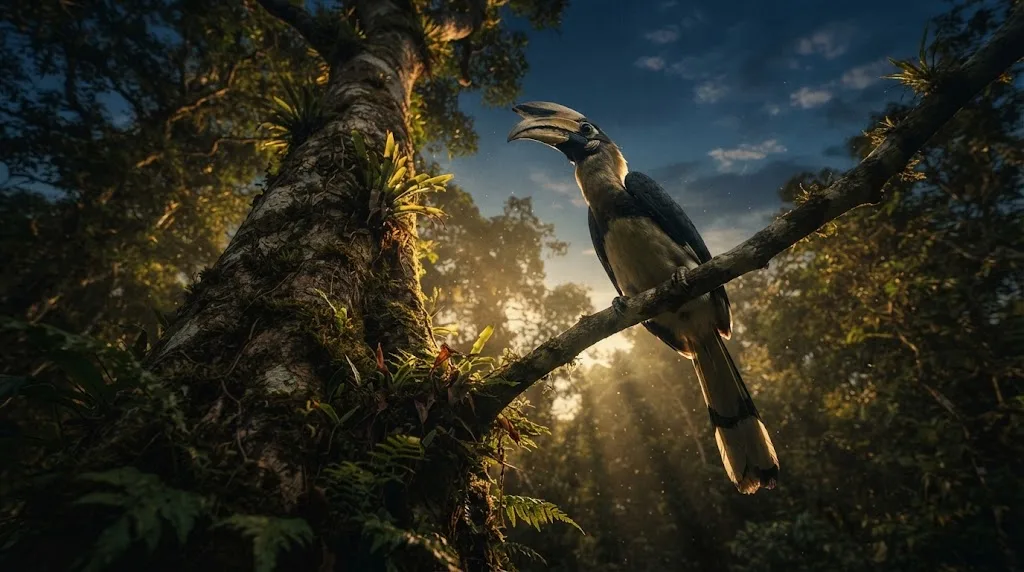
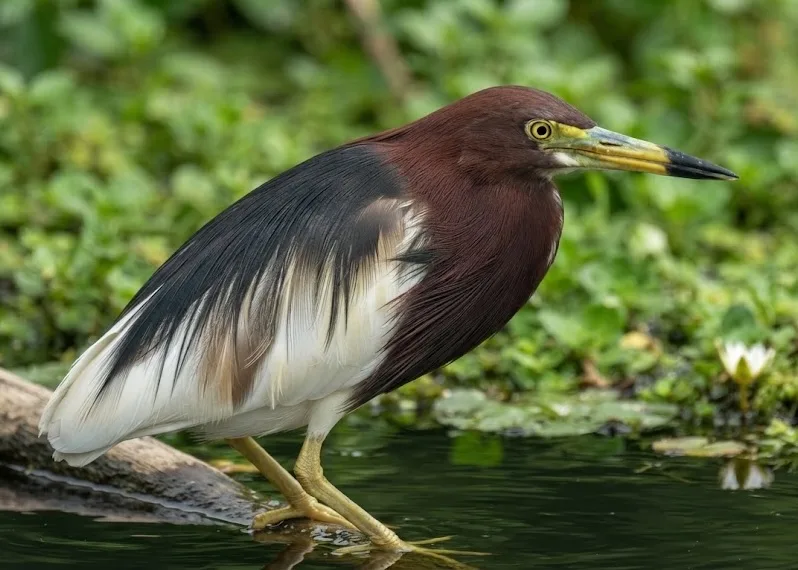
OZAMIZ CITY - Birdwatchers have plenty to watch for around coastal wetlands, particularly Chinese pond herons, little egrets, and other shorebirds associated with Panguil Bay habitats. Earlier biodiversity references for Panguil Bay identify the bay as an important area for migratory shorebirds and specifically record the Chinese pond heron and little egret among its birdlife. While those species records predate 2026, they remain useful background when combined with the continuing coastal biodiversity work reported by Misamis University. August can also be an interesting period for observing wetland activity because the southwest monsoon changes conditions across the bay. Visitors should observe quietly and keep their distance from nesting or feeding wildlife.
Fish and Tiny Creatures Keep the Bay Busy
Look beneath the surface and Ozamiz’s coastal story becomes even more interesting. Fish and marine invertebrates are among the resources included in ongoing biodiversity and coastal assessments connected with Ozamiz City. Misamis University’s 2026 environmental work references assessments involving fish stocks, mollusks, marine invertebrates, seagrasses, corals, and mangroves. Panguil Bay’s microscopic life also matters: a January 2026 study documented 49 phytoplankton species and examined how their community changes through different seasons, including August. These organisms may be tiny, but they form part of the food web supporting larger aquatic animals. Together, these records reveal a bay filled with life at several levels.
Mangroves Create a Home for More Than Trees
The mangrove ecosystem itself is worth exploring because it functions as habitat rather than simply scenery. Mangrove areas provide places where fish, marine invertebrates, and coastal birds can feed, shelter, and reproduce. Misamis University’s 2026 environmental work continues to include assessments of mangroves and associated coastal resources in Ozamiz City, while its earlier research documented extensive mangrove diversity along the city’s Panguil Bay coastline. Nearby conservation work also shows continued attention to mangrove protection in Misamis Occidental: in April 2026, nearly 10,500 mangrove propagules were planted in Barangay Mialen, Clarin, through an initiative involving DENR CENRO Ozamiz City and partner organizations. For visitors, that makes the shoreline a reminder that wildlife protection starts with protecting habitat.