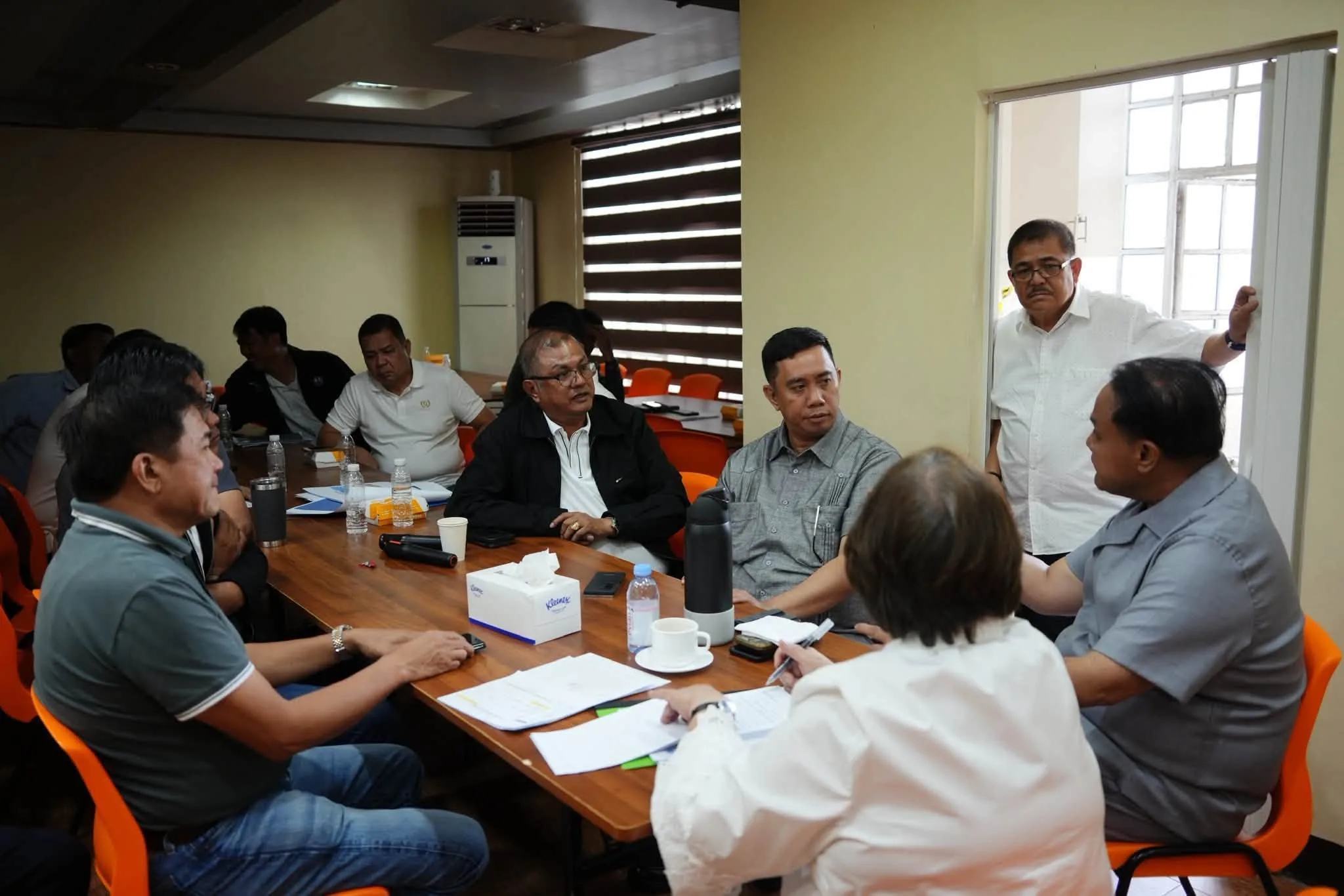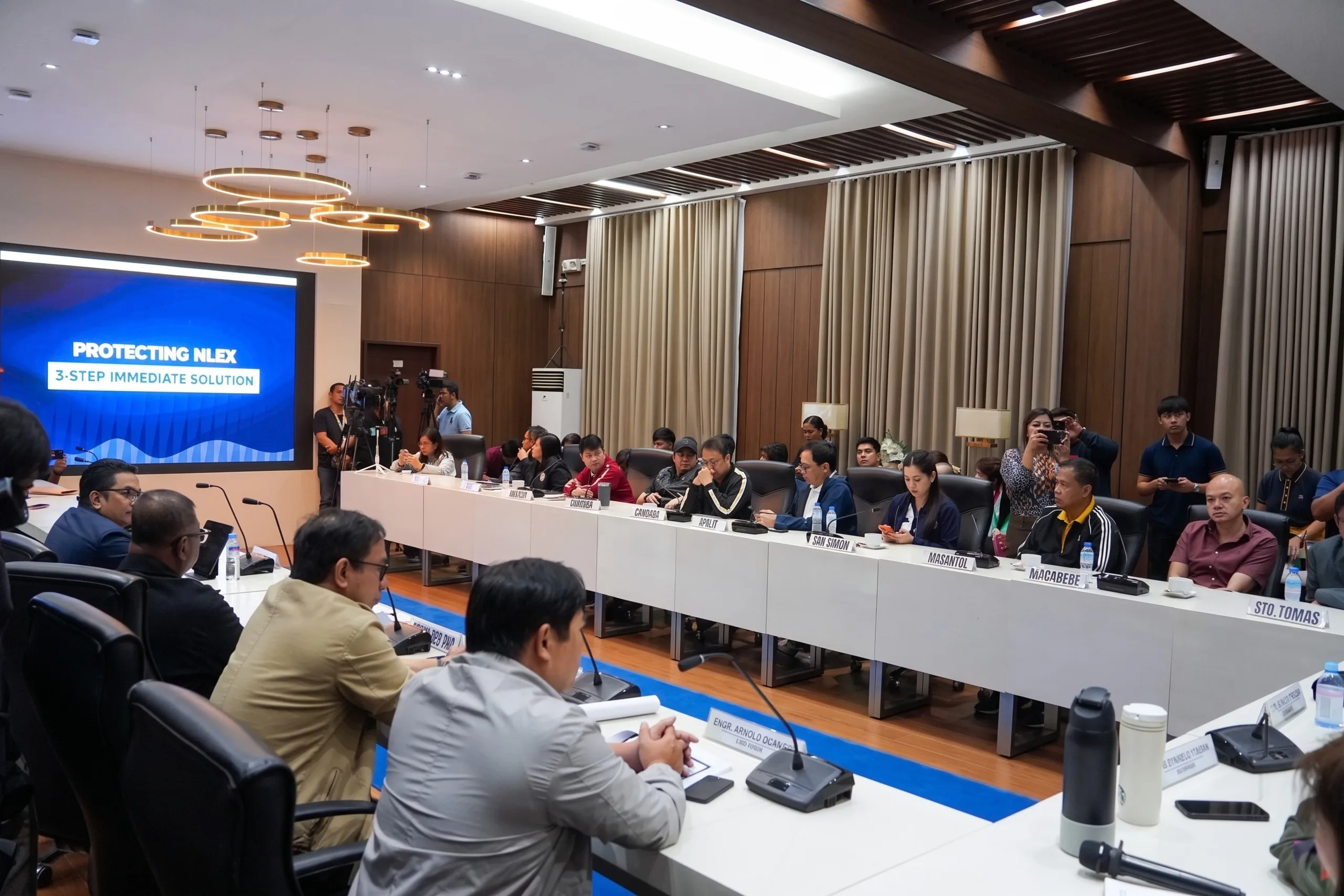
SAN FERNANDO, PAMPANGA - Local officials of Pampanga, alongside the Provincial Government and the Department of Public Works and Highways (DPWH), have joined forces to push for immediate, medium-term, and long-term measures to combat the province's long-standing flooding problem. In a meeting led by DPWH Secretary Vince Dizon, a comprehensive Flood Management Plan was laid out, aiming to mitigate the impact of flooding on local communities, major roads, livelihoods, and the economy. Governor Lilia "Nanay" Pineda emphasized the Provincial Government's full support for the DPWH's proposed interventions, stating that mayors from the fourth district are united in seeking solutions that will provide immediate relief and long-term protection to perennially flooded areas.
Immediate and Short-Term Solutions
Three core measures were presented as immediate interventions. FlexMac flood barriers will be deployed to seal critical gaps along the Tulaoc River. Dredging operations will be conducted on existing waterways to accelerate water flow, while pumping systems will be utilized to drain accumulated floodwaters into major waterways. Special attention and immediate funding will also be directed toward the San Fernando–Sto. Tomas–Minalin Tail Dike, the Setback Levee in San Simon, the Arnedo Dike in Macabebe, and flooded sections of the MacArthur Highway in Apalit. Officials also addressed the breached tail dike in Minalin, which threatens seven barangays and an estimated 20,000 to 30,000 residents. Another urgent concern is the rising water level along Quezon Road, a vital alternative route when the North Luzon Expressway (NLEX) becomes impassable due to floods.
Detention Basins as Medium-Term Solutions
For medium-term interventions, the DPWH plans to construct detention basins in San Simon and other strategic localities. These facilities will serve as temporary holding areas for excess floodwater before it is gradually funneled into nearby waterways, following a "store, drain, and release" concept. Whenever feasible, these basins will be situated near rivers and sloped areas to facilitate natural drainage, though pumping systems will remain an option if needed. Beyond flood control, the captured water can be repurposed as surface water to supplement local irrigation systems. Secretary Dizon stressed that cooperation from the provincial and municipal governments is vital—particularly in securing right-of-way clearances and necessary permits—so that excavation and civil works can begin as soon as weather conditions permit.
High-Impact, Long-Term Infrastructure
For permanent, long-term relief, the government is pushing for massive infrastructure projects, including the Central Luzon–Pampanga Floodway Project featuring an estimated 60-kilometer floodway, a 12,000-hectare ring dike project, silt or "sabo" dams to be constructed in Nueva Ecija, and the Manila Bay Integrated Flood Control, Coastal Defense, and Expressway Project, which is currently undergoing a pre-feasibility study. However, Dizon noted that it could take up to 20 years to fully execute some of these massive long-term projects. Because of this timeline, he emphasized the critical need for swift immediate actions alongside permanent solutions to prevent further economic and community distress. The meeting underscores the unified commitment of national and local leaders to address Pampanga's flooding challenges through a multi-layered, strategic approach that balances urgent relief with sustainable, long-term infrastructure development.