Giving an Old Story a New Sound
GENERAL SANTOS CITY - One of the most interesting developments surrounding the Paulino Santos story in 2026 is the use of music to make local history easier to encounter. Music creator Harlem Jude Ferolino, also known as Papa Lem, has released creative works this year, with streaming records identifying him as the songwriter and producer behind several projects. His work demonstrates how local artists can use sound and storytelling to turn ideas into material that people can discover outside classrooms or museums. That approach is particularly useful for history because a song can carry names, places, and events in a form that feels familiar. “Saludo Para Kay Paulino” fits into that broader possibility of remembering through creativity.
Paulino Santos Remains Part of GenSan’s Identity
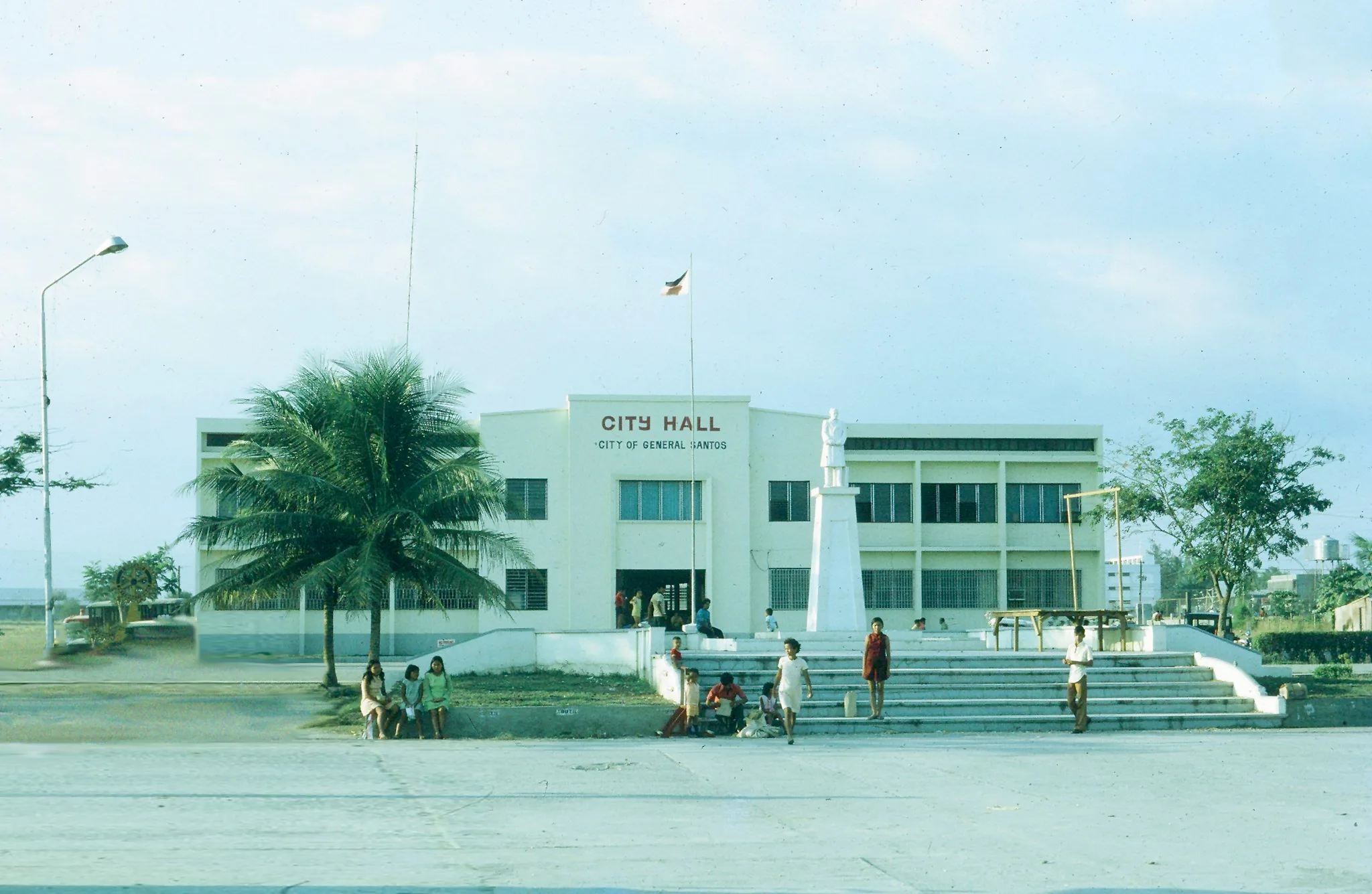
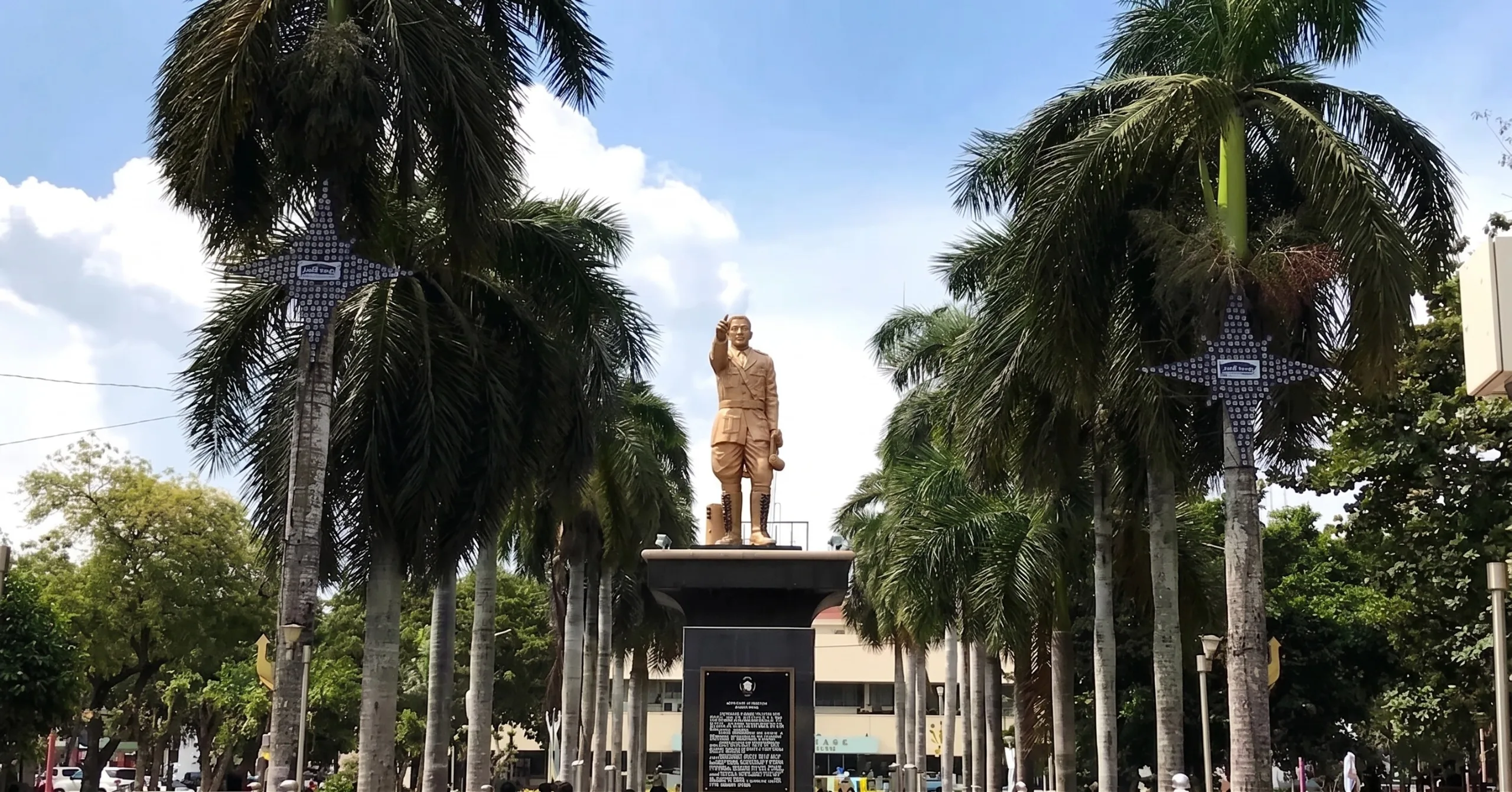
General Paulino Santos is not simply a name from an old textbook in the city that bears his name. General Santos City continues to incorporate his story into public commemorations. During the 2026 Kalilangan Festival and the city’s founding anniversary celebrations, government offices and organizations participated in activities that included a wreath-laying ceremony honoring him at Plaza Heneral Santos. The Philippine Statistics Authority also documented the occasion, noting that the ceremony paid tribute to the city’s history and enduring legacy. The event demonstrates that remembering Paulino Santos remains part of the city’s public calendar, while creative projects such as “Saludo Para Kay Paulino” offer another way to approach that same historical figure.
Making Local History Easier to Pass On
There is value in finding different ways to tell the story of a place. A 2025 Philippine Information Agency feature on General Santos’ heritage efforts highlighted the work of young historians and cultural advocates who wanted residents to understand their local roots. The article also discussed the involvement of The Pioneers–Descendants of General Paulino Santos and MSU-General Santos in heritage activities. In 2026, that same idea of keeping history accessible continues through cultural celebrations and creative work. A tribute such as “Saludo Para Kay Paulino” can therefore be viewed not simply as praise for a historical figure, but as part of a larger effort to keep local stories within reach of people who may connect more naturally with music and modern media than formal historical displays.