CLARK FREEPORT ZONE, PAMPANGA - For decades, navigating the distance between Manila's corporate epicenter and Central Luzon's premier aviation gateway has been an exercise in patience. Commuters faced a brutal combination of gridlocked expressways, unpredictable traffic bottlenecks, and hours of wasted time. However, a massive engineering paradigm shift is quietly unfolding above the ground. The 147-kilometer North-South Commuter Railway (NSCR) is preparing to effectively shrink the geography of Luzon, promising to turn a grueling multi-hour commute into a swift, 55-minute dash. This isn't a simple upgrade to existing public transit; it is a complete restructuring of how the economic engines of the Greater Manila Area interact.
A Seamless Gateway to the World
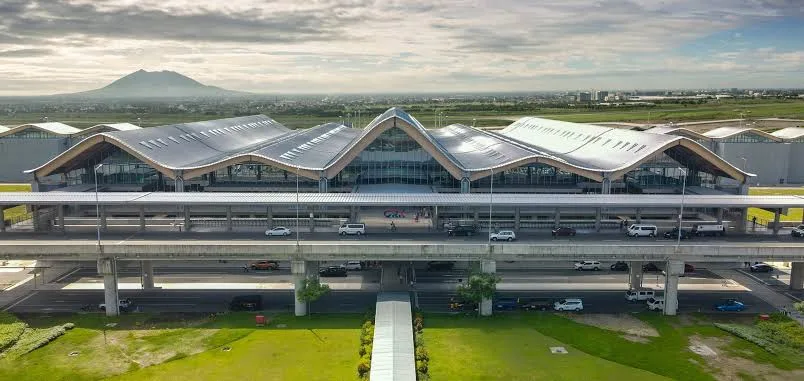
According to Department of Transportation (DOTr) Assistant Secretary Irish "IC" Calaguas, the railway's footprint serves as the critical anchor for an even grander urban layout: the Clark AeroDistrict. Spearheaded by airport operator LIPAD, this initiative aims to evolve the land surrounding the terminal into the country's first true, world-class "airport city"—a self-sustaining nucleus of commerce, hospitality, and tech hubs. The design logic here treats the traveler's time as a premium currency. Instead of forcing passengers to navigate chaotic road transfers with heavy luggage, the project introduces a dedicated Clark Station integrated right into the airport complex, bound together by a sleek, elevated pedestrian walkway. This seamless integration ensures that travelers can move effortlessly from the train platform to the check-in counter, eliminating the stress and uncertainty that often accompany airport transfers.
A Game-Changer for Commuters and the Economy
When the entire transit system achieves full, end-to-end operation to Calamba, Laguna, it will carry an estimated 800,000 commuters every single day. By moving masses of people at speeds that outpace highway traffic, the railway does something bigger than cutting down travel times. It democratizes access to jobs, opens up regional real estate, and changes the calculus for international travelers. The NSCR will feature 35 stations, including 31 elevated, three at-grade, and one underground, with trains designed for speeds up to 160 kilometers per hour. The system will offer two types of services: commuter trains with 51 train sets capable of carrying 2,242 passengers each, and Limited Express trains with seven train sets accommodating 386 passengers each. For the modern Filipino commuter, the future of travel isn't about bracing for the traffic of today—it's about stepping onto a platform and letting the country move around you.