National Museum Bohol: From Provincial Capitol to Museum
BOHOL - In Tagbilaran City, the National Museum of the Philippines – Bohol occupies the former Provincial Capitol Building, a structure whose history dates to the Spanish colonial period. Construction began in 1855 and was completed in 1860, and the building served as a tribunal, prison, military quarters, and later the seat of Bohol’s provincial government. It sustained damage during the magnitude 7.2 earthquake that struck Bohol in 2013 before being repaired and reopened as the National Museum Bohol in 2018. Today, its galleries allow visitors to explore Bohol’s natural history, cultural heritage, and the province’s experience of the 2013 earthquake.
Casa Rocha and Bohol’s Surviving Ancestral Architecture
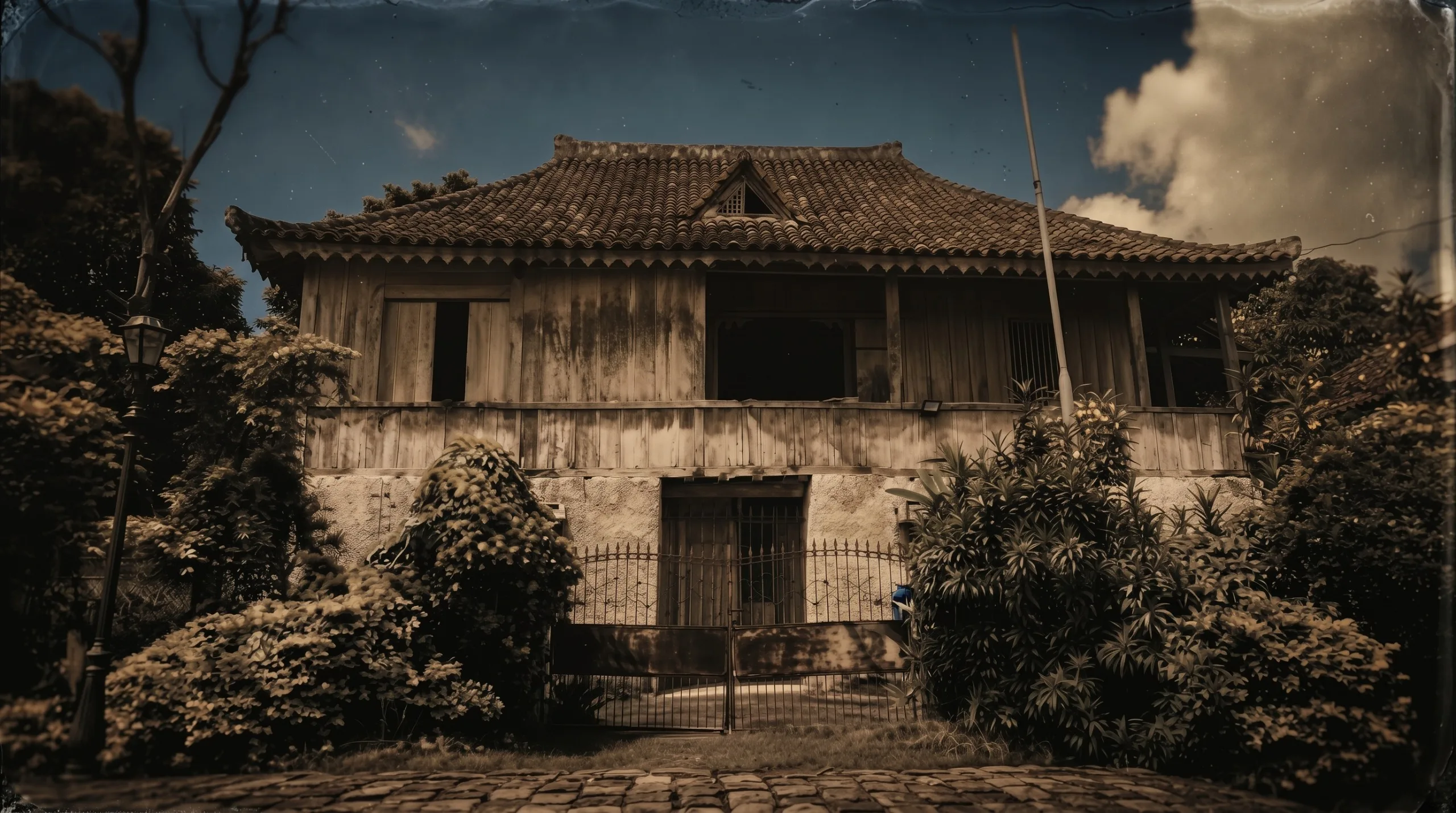
Another remarkable example can be found in Sitio Ubos, Tagbilaran City, where Casa Rocha represents the enduring character of Bohol’s traditional residential architecture. The National Museum of the Philippines identifies Casa Rocha as the oldest surviving house in Bohol, with the structure dating back around 191 years when the museum featured it in 2022. Known locally as Balay na Tisa, the two-storey house reflects the Arquitectura Mestiza tradition, combining a stone lower floor with a lighter wooden upper floor. Casa Rocha was among the heritage houses in Sitio Ubos declared an Important Cultural Property in 2019 and was subsequently elevated to National Cultural Treasure status.
Churches That Continue to Define Bohol’s Historic Towns
Bohol’s historic churches provide some of the province’s most recognizable examples of buildings that have endured through generations. Baclayon Church, formally the Church of Our Lady of the Immaculate Conception, dates in its present structure to 1727 and is recognized as a National Cultural Treasure and National Historical Landmark. Dauis Church, meanwhile, traces its origins to the Spanish missionary period and features a later structure completed in the early 20th century, while San Pedro Apostol Church in Loboc dates to 1734. Other heritage churches and structures can be found in places such as Loon, Loay, Maribojoc, Alburquerque, Panglao, and Dimiao. Together, these buildings demonstrate how Bohol’s historic architecture has remained part of everyday communities while undergoing restoration and preservation through the years.