One Environmental Problem, Many Departments
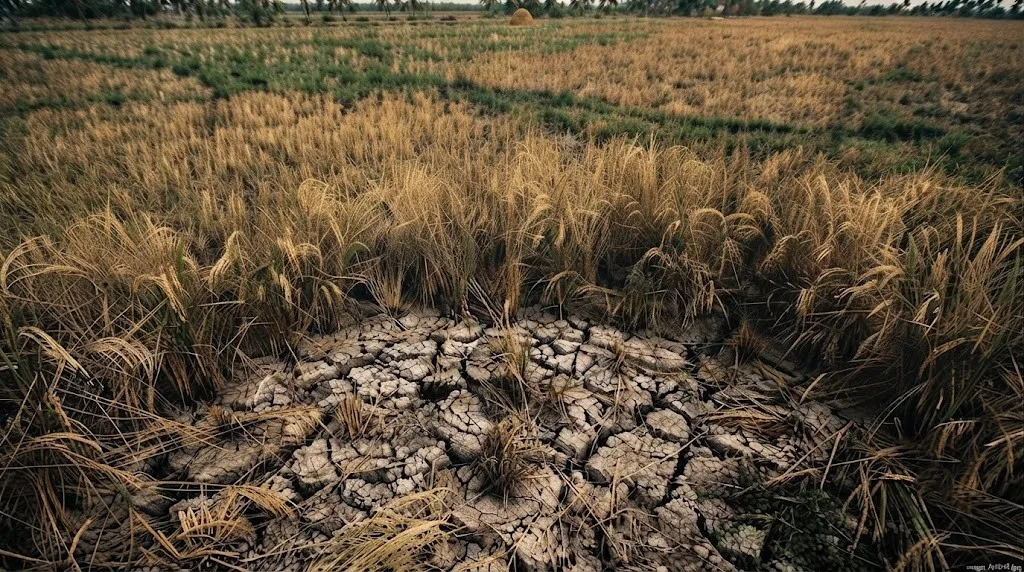
BACOLOD - The July 7 report from the Negros Daily Bulletin described a resolution directing key city departments and offices to submit contingency plans within 30 days. The agencies named included the Bacolod City Disaster Risk Reduction and Management Office, City Agriculture Office, City Health Office, Bacolod Environment and Natural Resources Office, City Veterinary Office, and water-service stakeholders, among others. That list reveals something important about environmental preparedness. A prolonged dry period does not stay inside one category. It can affect agricultural production, water availability, public health, livestock, disaster response, and the daily operations of a city. Preparing for it therefore requires coordination across departments that residents might not normally associate with environmental policy.
The Visitor Experience Begins With Basic Services
Travelers rarely think about climate preparedness when choosing a destination. They think about food, attractions, hotels, festivals, and activities. Yet the quality of a visitor's experience depends on basic systems working properly—water, sanitation, healthcare, transportation, and public safety. That is why environmental planning deserves a place in the story of a tourism-oriented city. Bacolod's preparations are not a tourist attraction in themselves, but they form part of the invisible infrastructure that supports residents and visitors alike. The resolution also reflects a broader reality for cities in a changing climate: resilience is not only about responding when a crisis arrives. It is about preparing departments, communities, and services before conditions become more difficult.
A Different Kind of Green Story
Bacolod's environmental story is often easier to imagine through parks, trees, and open spaces. Those remain important, but climate preparedness adds another dimension. It asks how a city protects its food supply, manages water, supports public health, and keeps essential services functioning during difficult weather conditions. For visitors, this may be one of the least visible parts of the city—but it is also one of the most important. A destination is not defined only by what travelers see. It is also shaped by the systems that allow everyday life to continue.