Finding New Value in Everyday Waste
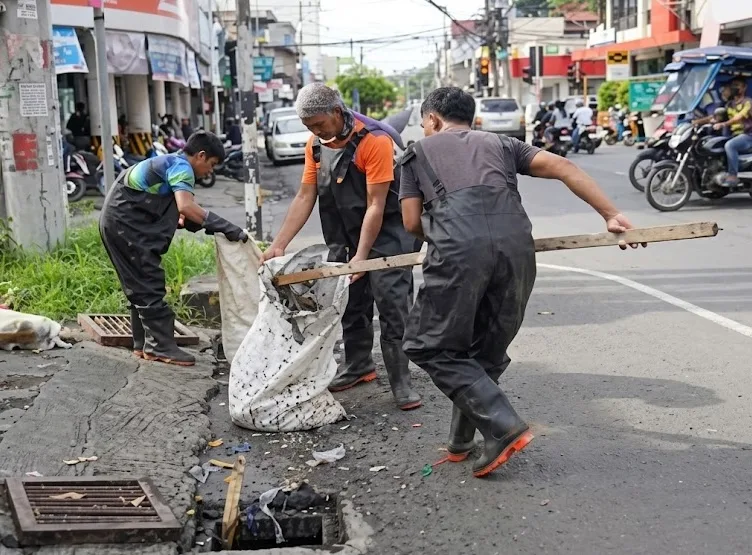
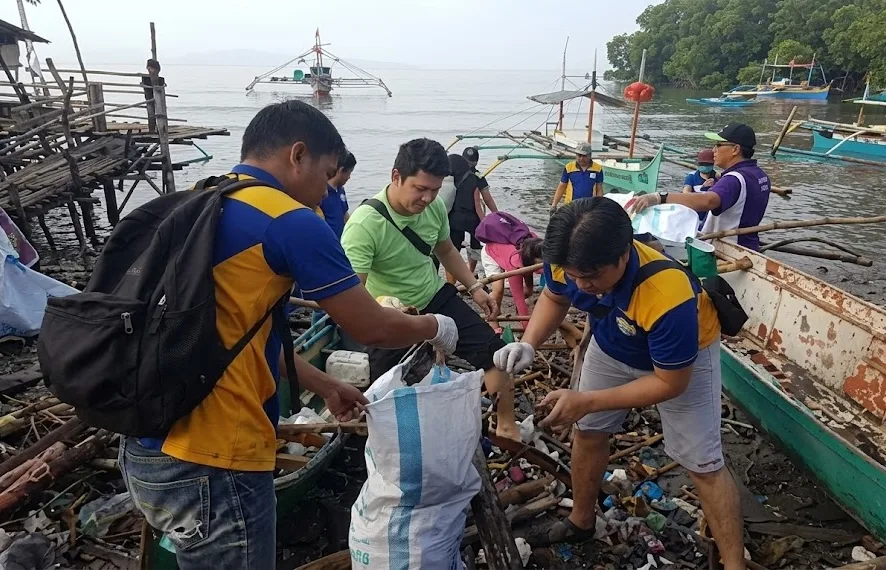
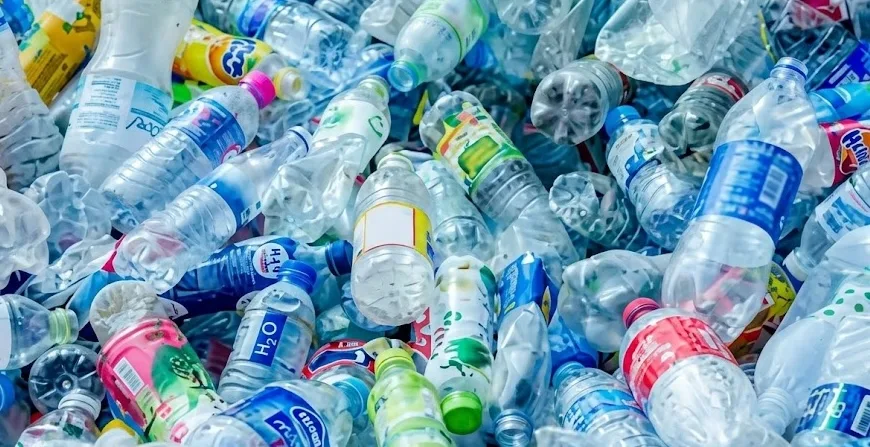
GENERAL SANTOS CITY - Plastic packaging is one of the most visible forms of waste generated by growing cities. Instead of treating it solely as garbage, recycling technologies now allow certain plastics to become eco-bricks, construction boards, school furniture, paving materials, and other practical products. These innovations reduce pressure on disposal facilities while extending the useful life of recyclable materials. For General Santos City, encouraging local recycling initiatives could help communities address environmental concerns while opening opportunities for entrepreneurs interested in manufacturing products from materials that would otherwise be discarded.
Innovation Creates New Livelihood Possibilities
A circular economy depends not only on technology but also on people willing to transform ideas into businesses. Community organizations, cooperatives, and small manufacturers can participate in collecting, processing, and repurposing recyclable materials into marketable products. This creates opportunities across multiple sectors, from waste collection to product design and retail. Schools, public institutions, and private companies may also become customers for environmentally friendly products made from recycled plastics. Every successful enterprise contributes to cleaner surroundings while generating employment within the local economy.
Building a More Sustainable Urban Future
Environmental sustainability often advances through many practical improvements rather than one major solution. Recycling innovations complement existing waste reduction campaigns by encouraging communities to think differently about everyday materials. As more organizations adopt circular economy practices, General Santos City can strengthen environmental stewardship while supporting industries that prioritize responsible production. Continued collaboration among government agencies, educational institutions, businesses, and community groups can help expand these initiatives into long-term economic opportunities. Cleaner cities are often built by finding better uses for resources that were once overlooked.