Turn Wildlife Watching Into Active Learning
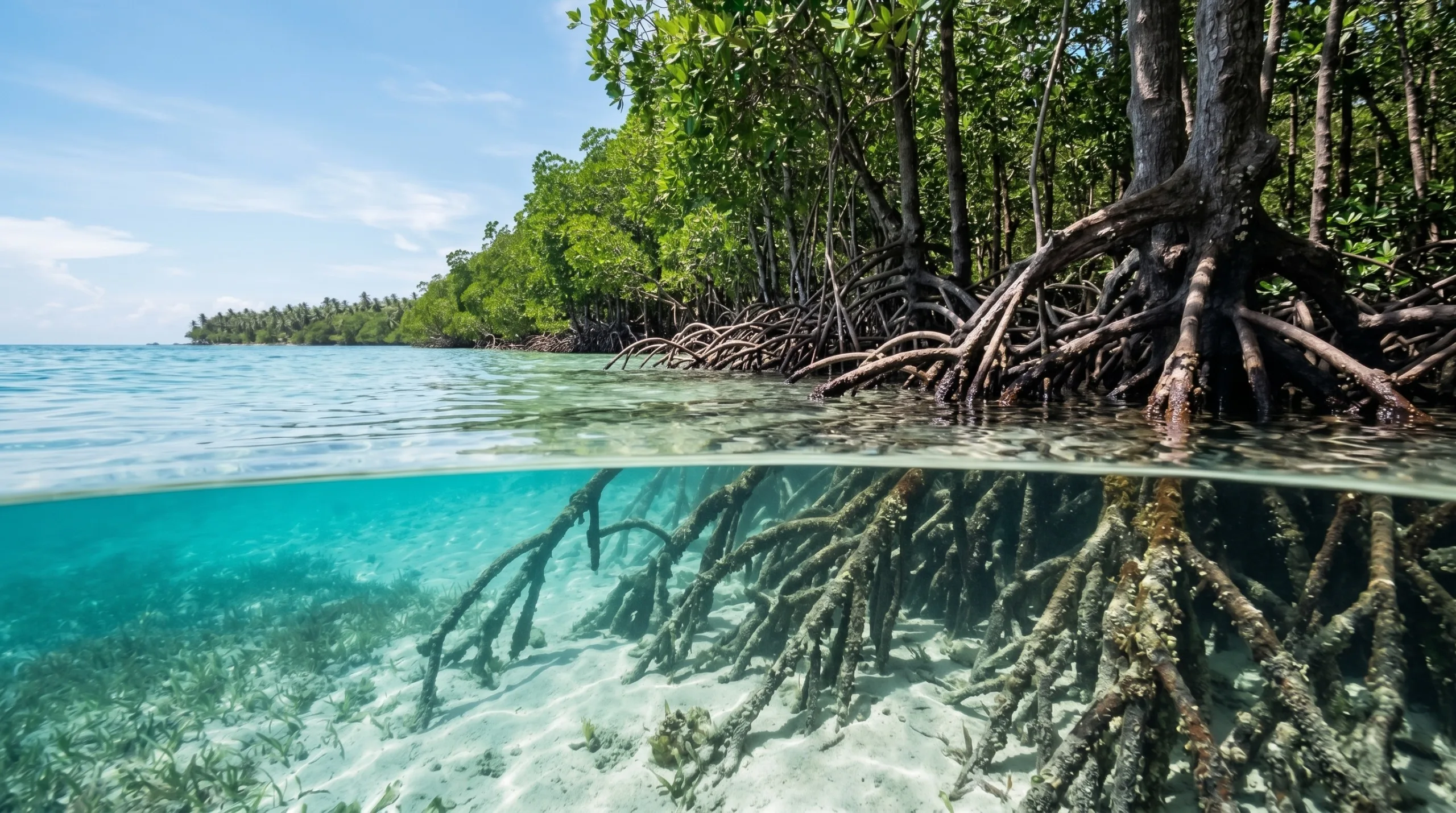
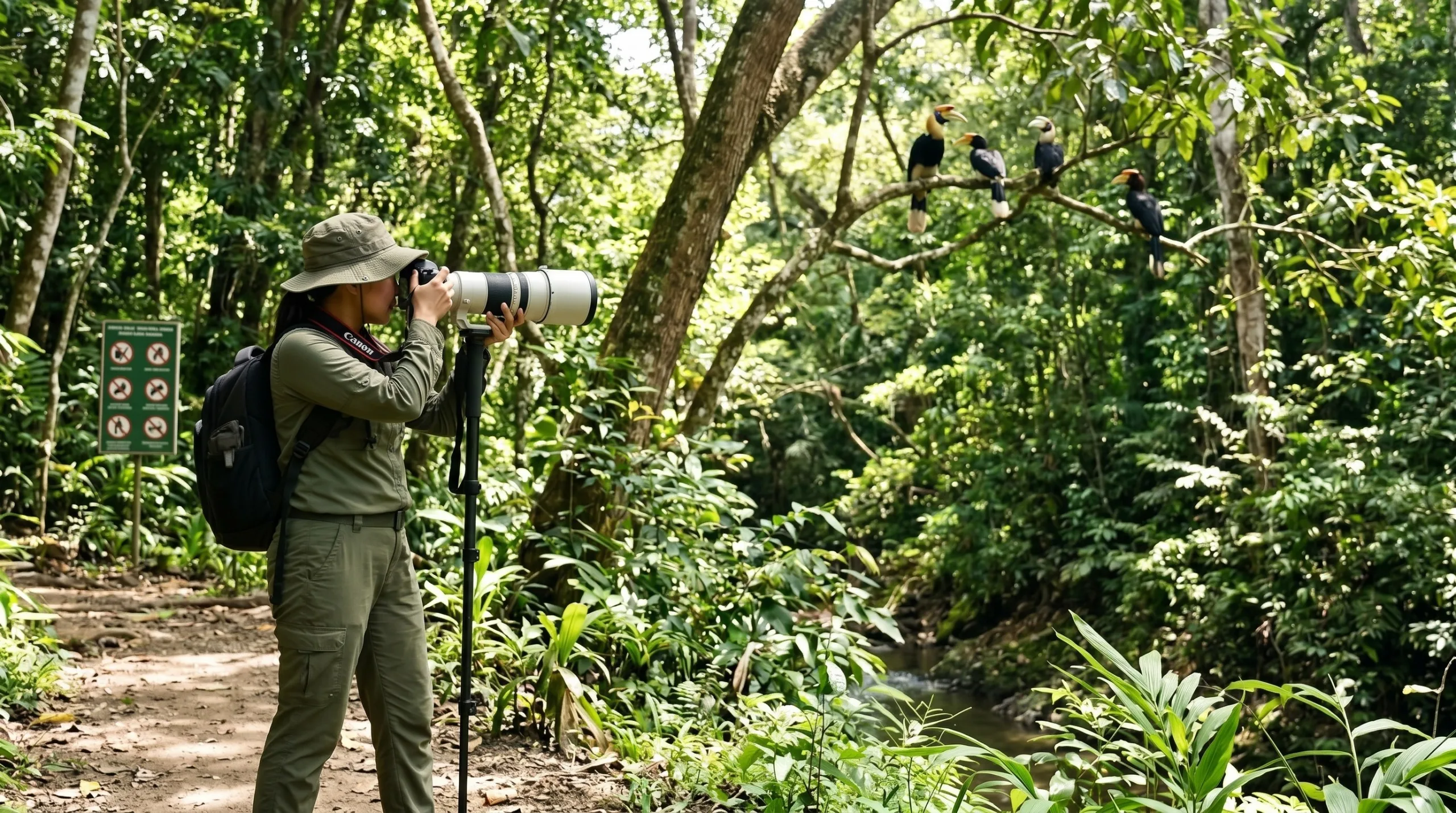
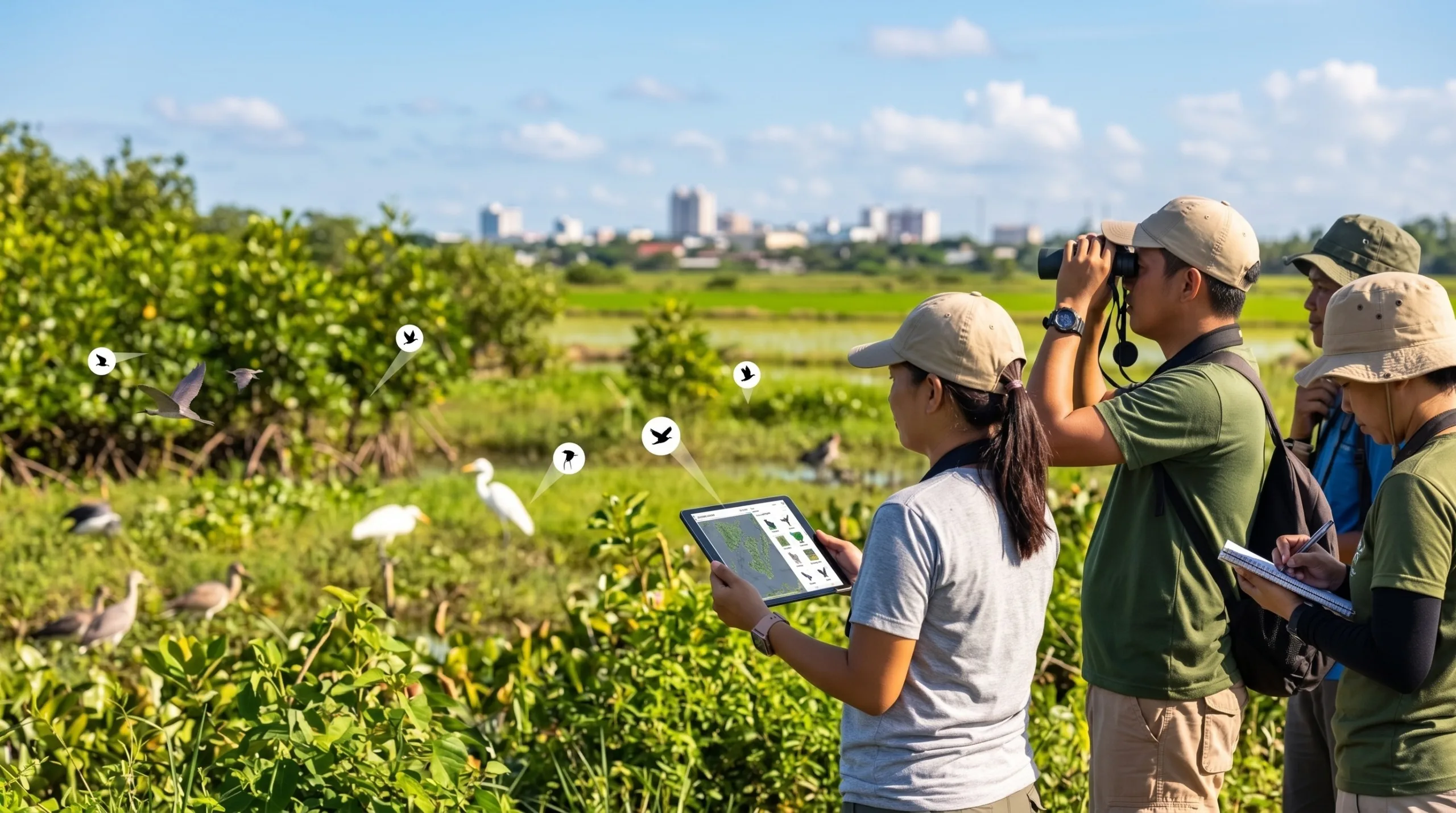
BACOLOD - Wildlife tourism can become more meaningful when visitors do more than observe animals from a distance. Through citizen science, travelers can participate in guided activities such as recording bird sightings, photographing plants for identification, or noting butterflies and other wildlife encountered along designated trails. In Negros Occidental, nature-based destinations such as Danjugan Island offer a starting point for considering how environmental education and responsible wildlife observation can complement a visitor's experience. When trained guides explain what visitors are seeing and how to record observations accurately, a nature excursion can become both an enjoyable outing and an introduction to biodiversity monitoring.
Visitor Observations Can Support Conservation Knowledge
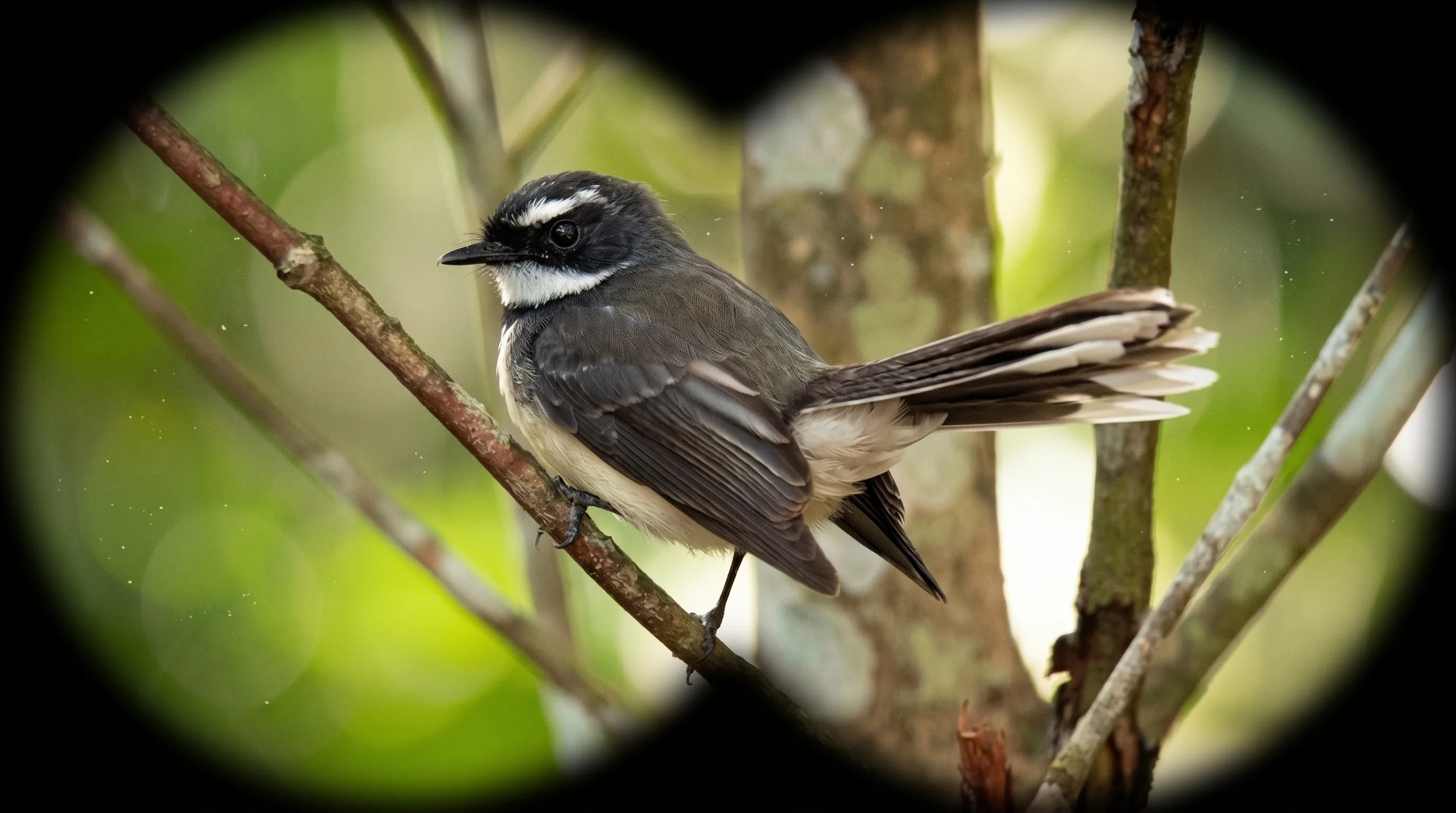
Citizen science allows members of the public to contribute observations that researchers and conservation groups may use to better understand wildlife distribution and changes in habitats. For example, birdwatchers can submit properly documented sightings through eBird, a platform that makes community observations useful for research and conservation efforts. Similar activities could be incorporated into carefully managed wildlife tours in Negros, provided that observations are checked for accuracy and collected in ways that respect the site and its conservation rules. Visitors should avoid disturbing nests, handling wild animals, leaving trails without permission, or publicly sharing precise locations of vulnerable species.
Conservation Experiences Could Benefit Local Communities
Tour operators, local guides, educators, and community organizations could explore citizen-science activities as an additional feature of nature-based tourism. Guided observation walks, beginner-friendly species identification sessions, and short biodiversity-recording activities could give visitors a stronger reason to spend time learning about local ecosystems rather than treating a natural area as a quick photo stop. These experiences might also create opportunities for guides to share their ecological knowledge and help visitors understand why habitat protection matters to local communities. Although this approach would require planning, training, and cooperation with conservation specialists, citizen science could help connect tourism with environmental stewardship while keeping wildlife welfare the priority.