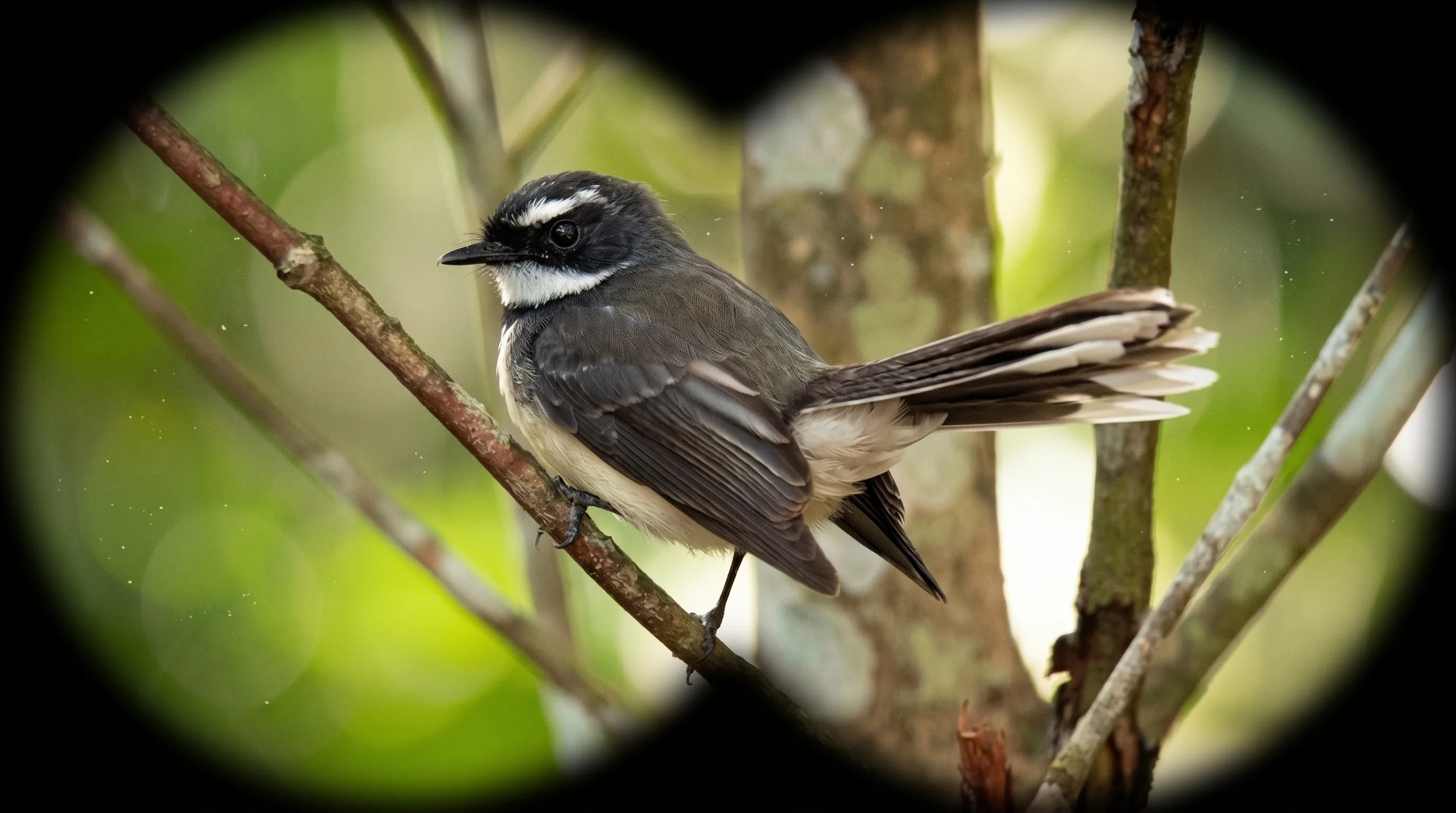
Every Bird Sighting Adds to the Bigger Picture
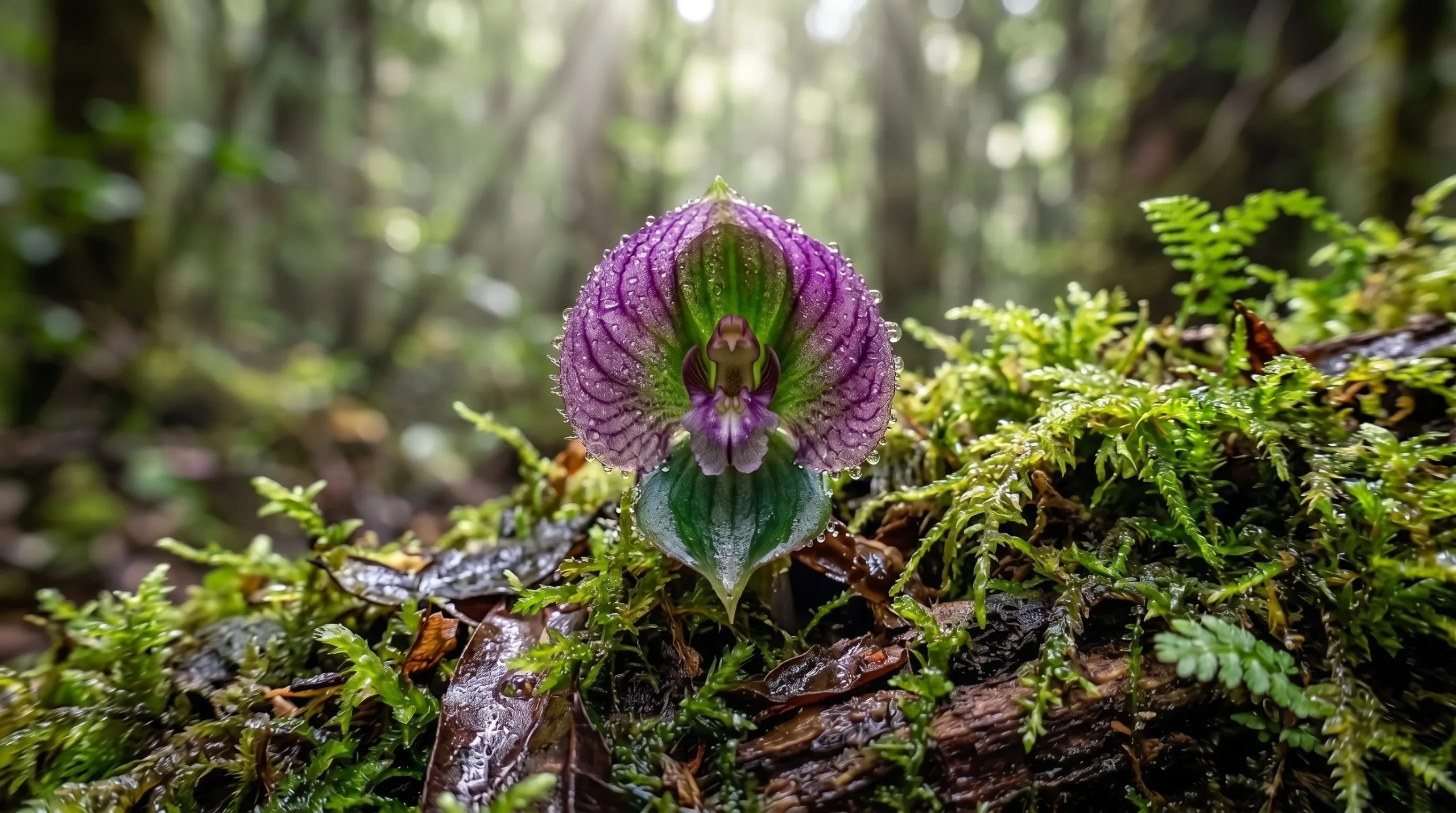
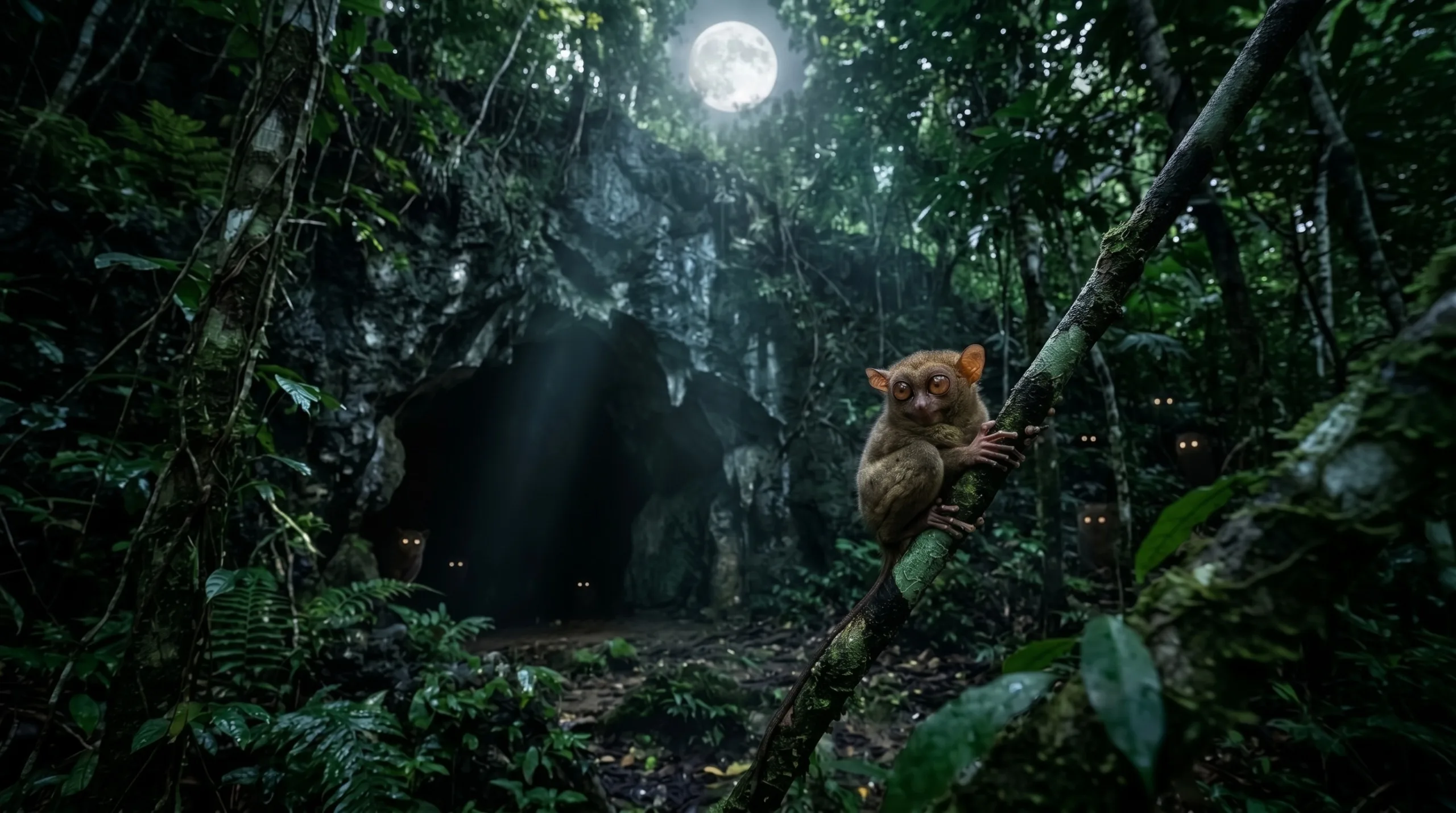
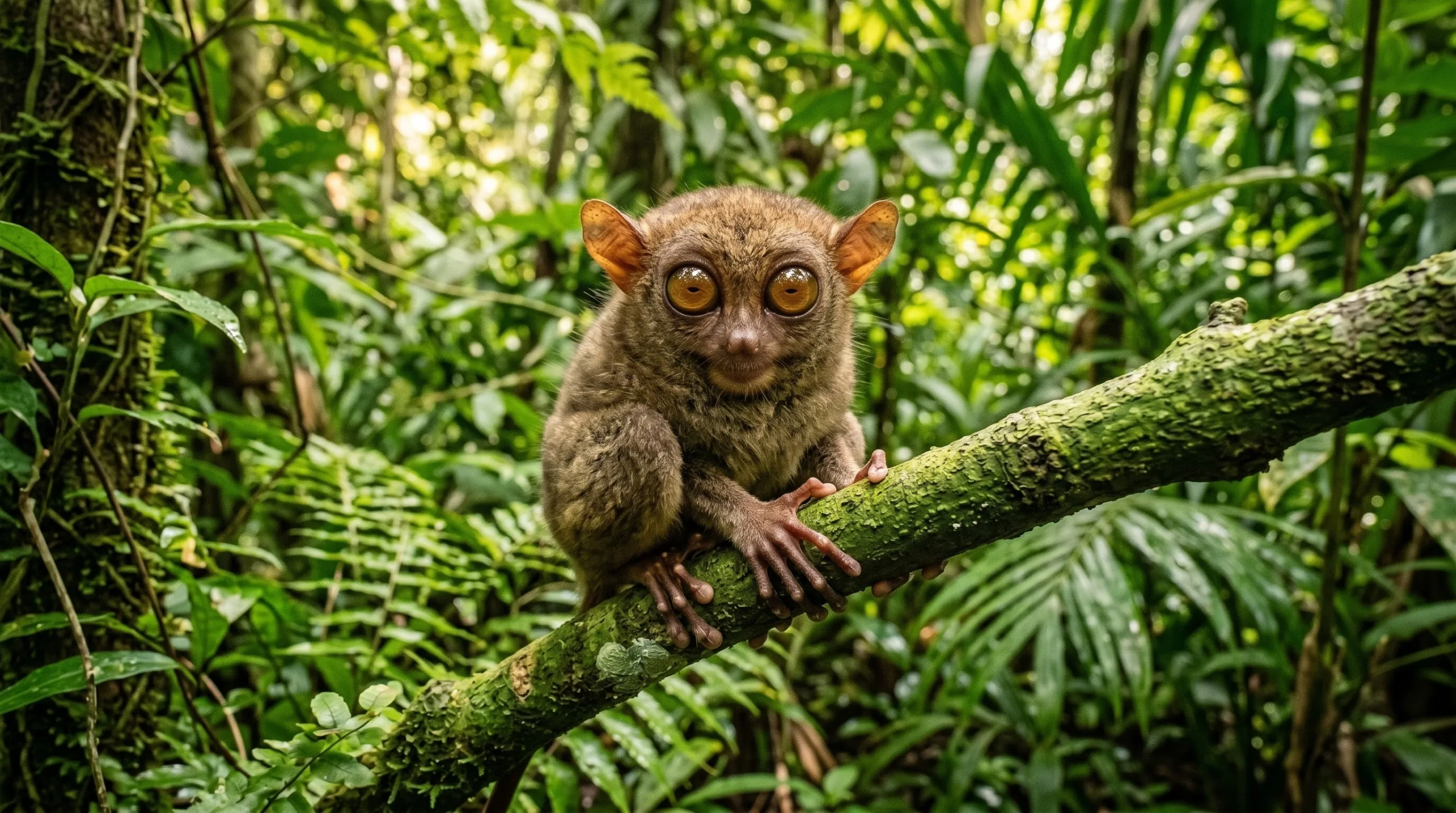
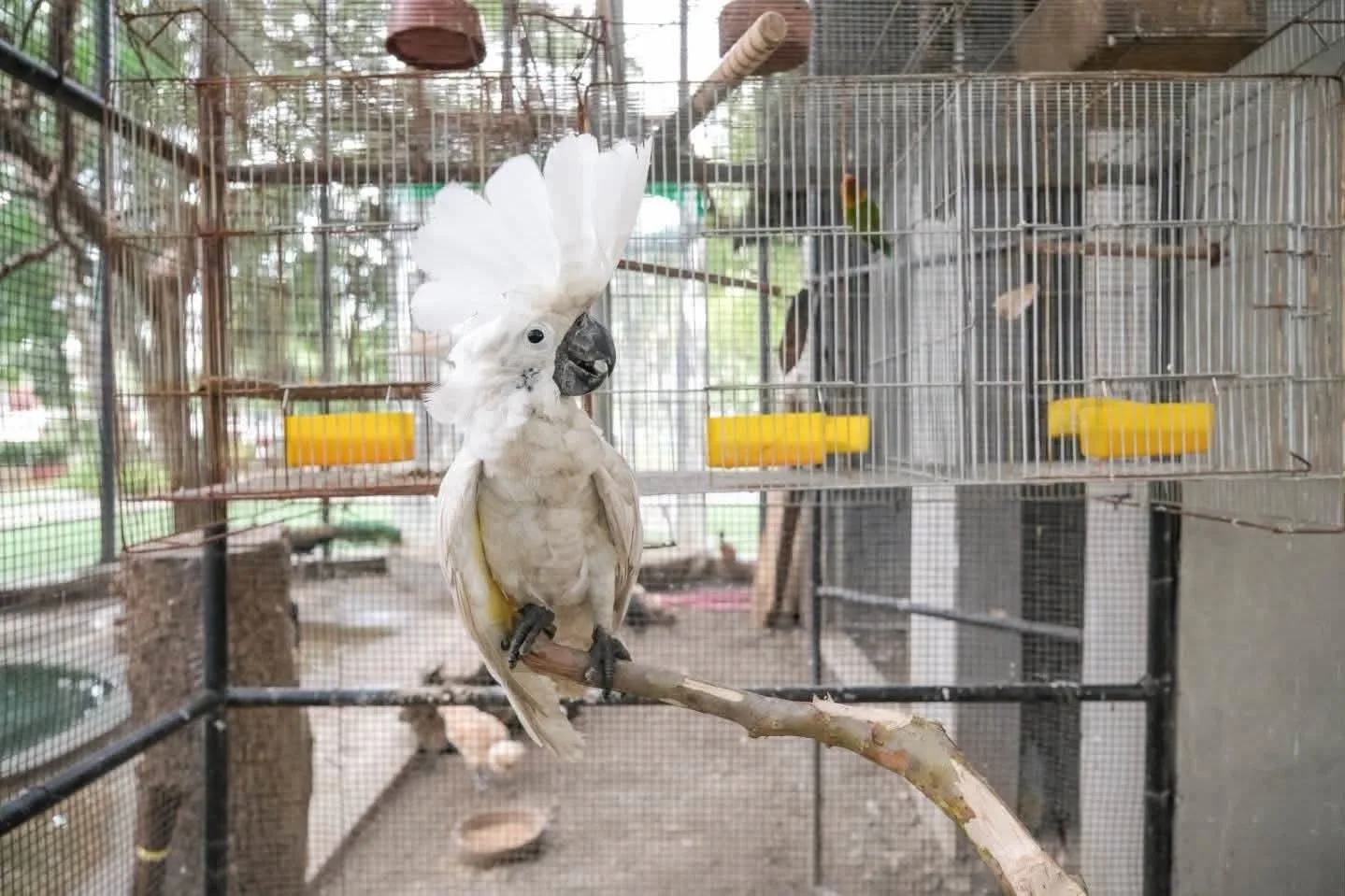
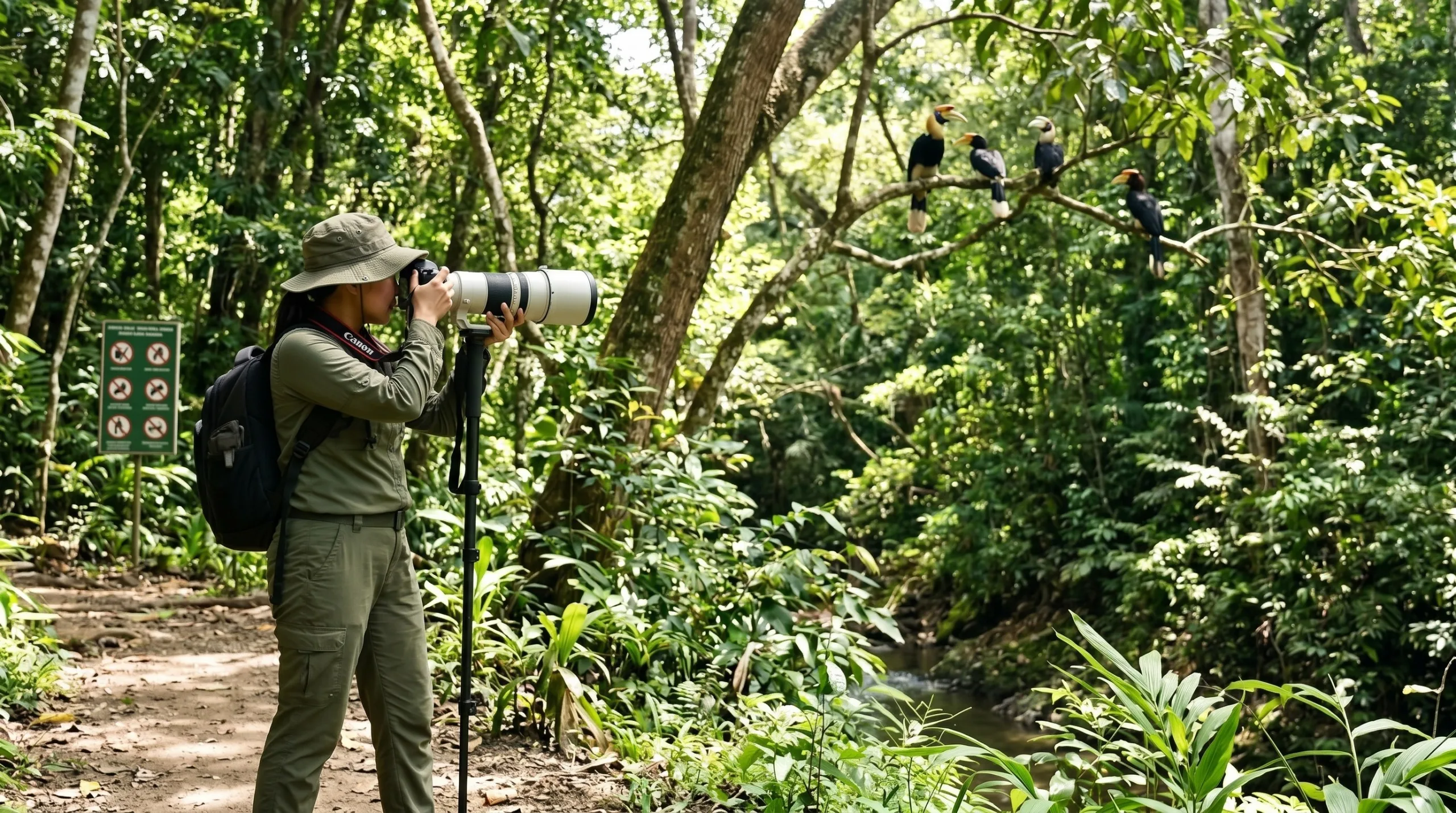
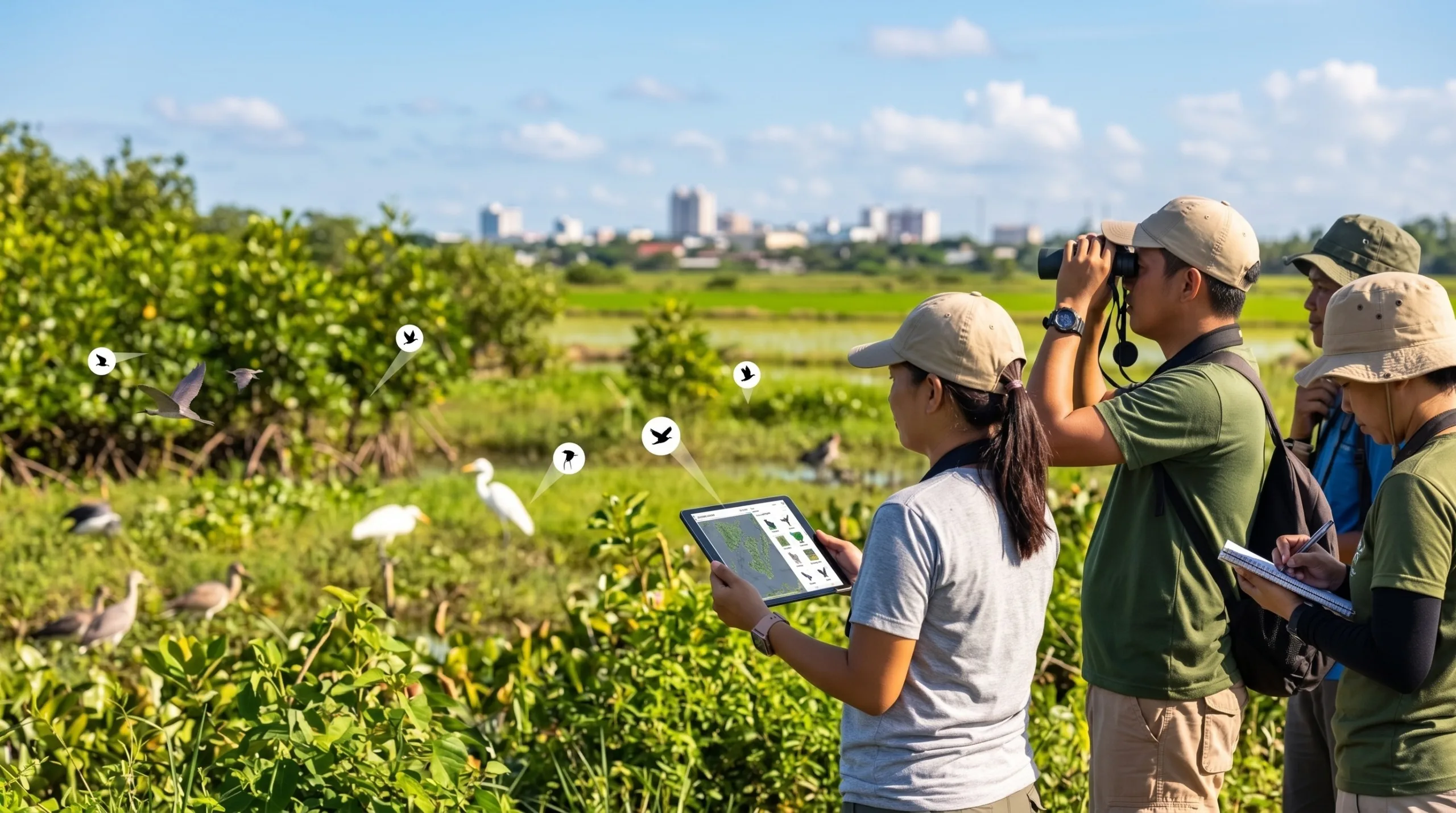
BOHOL - The 3rd Quarter Fauna Assessment gave technical personnel an opportunity to observe, identify, and document wildlife within the biodiversity complex. Several bird species were recorded during the assessment, adding valuable observations to the site's continuing biodiversity records. Wildlife surveys like these can help conservation workers understand which species are present in an area and how animal communities may change over time. Even a seemingly ordinary bird sighting can become useful when combined with repeated observations from different seasons and locations.
From Forest Fruits to Future Trees
The conservation work continued after the wildlife assessment with the collection of fruits from a Dipterocarp species growing in the complex’s Rainforestation Farming Area. These fruits can provide planting material for nursery propagation, creating an opportunity to grow additional native trees for future forest restoration activities. Native trees can contribute to habitat recovery by providing food, shelter, and other resources for wildlife while helping rebuild vegetation in suitable areas. The process also demonstrates how conservation can connect field observation with hands-on propagation, turning naturally produced seeds into potential future forest cover.
Protecting Biodiversity One Observation and Seedling at a Time
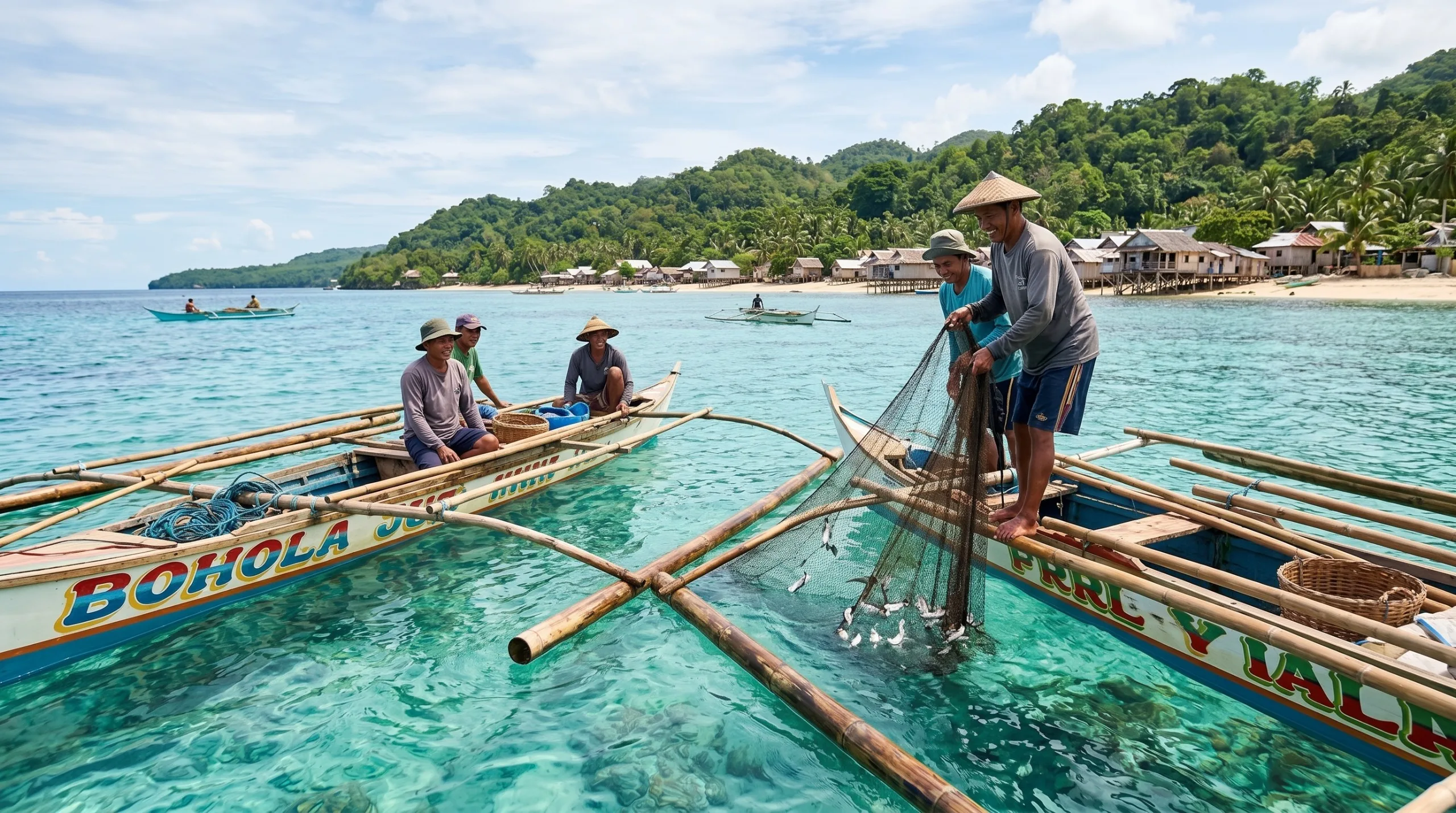
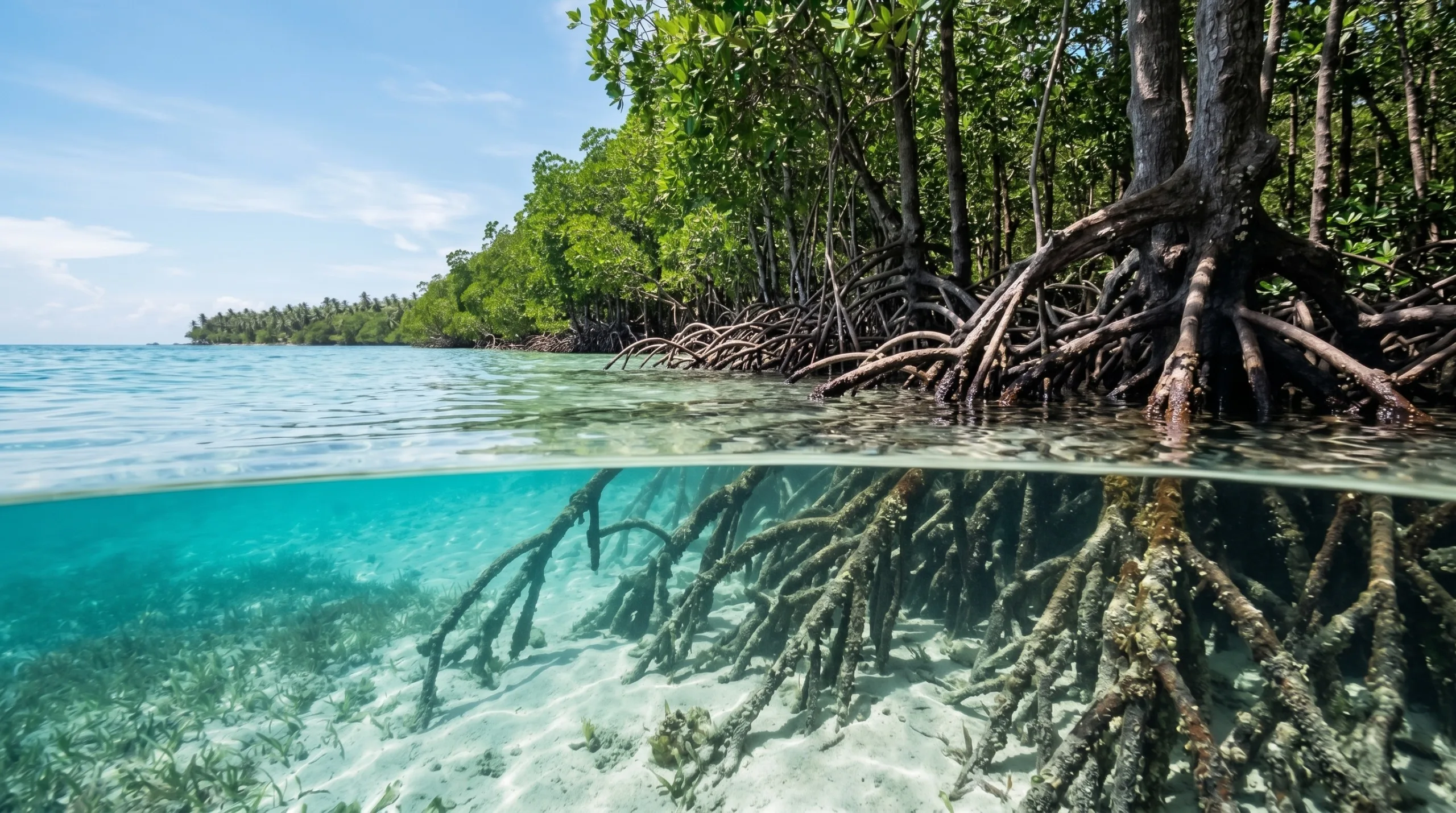
Biodiversity conservation often depends on consistent work that may not always attract attention: recording wildlife, monitoring habitats, collecting viable planting materials, and caring for young trees. At the Bohol Biodiversity Complex, these activities work together to strengthen knowledge about local ecosystems while supporting the regeneration of native vegetation. As Bohol continues to protect its natural heritage within the Bohol Island UNESCO Global Geopark, regular fauna assessments and nursery propagation can help create a stronger foundation for forest conservation. Each documented species and every successfully grown native seedling represents another small step toward keeping Bohol’s forests productive, diverse, and resilient for years to come.