Bohol’s Most Recognizable Tiny Wildlife
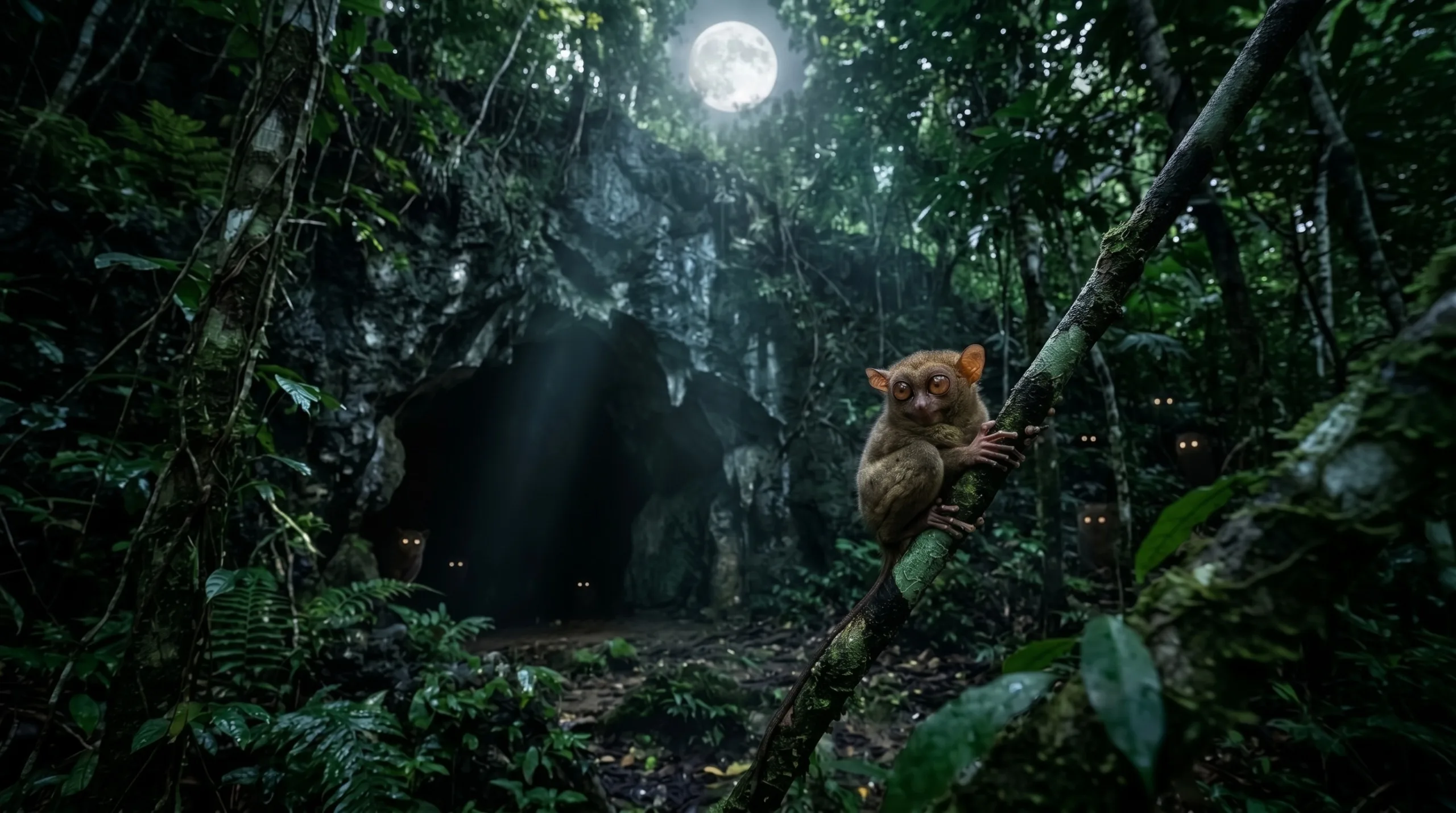
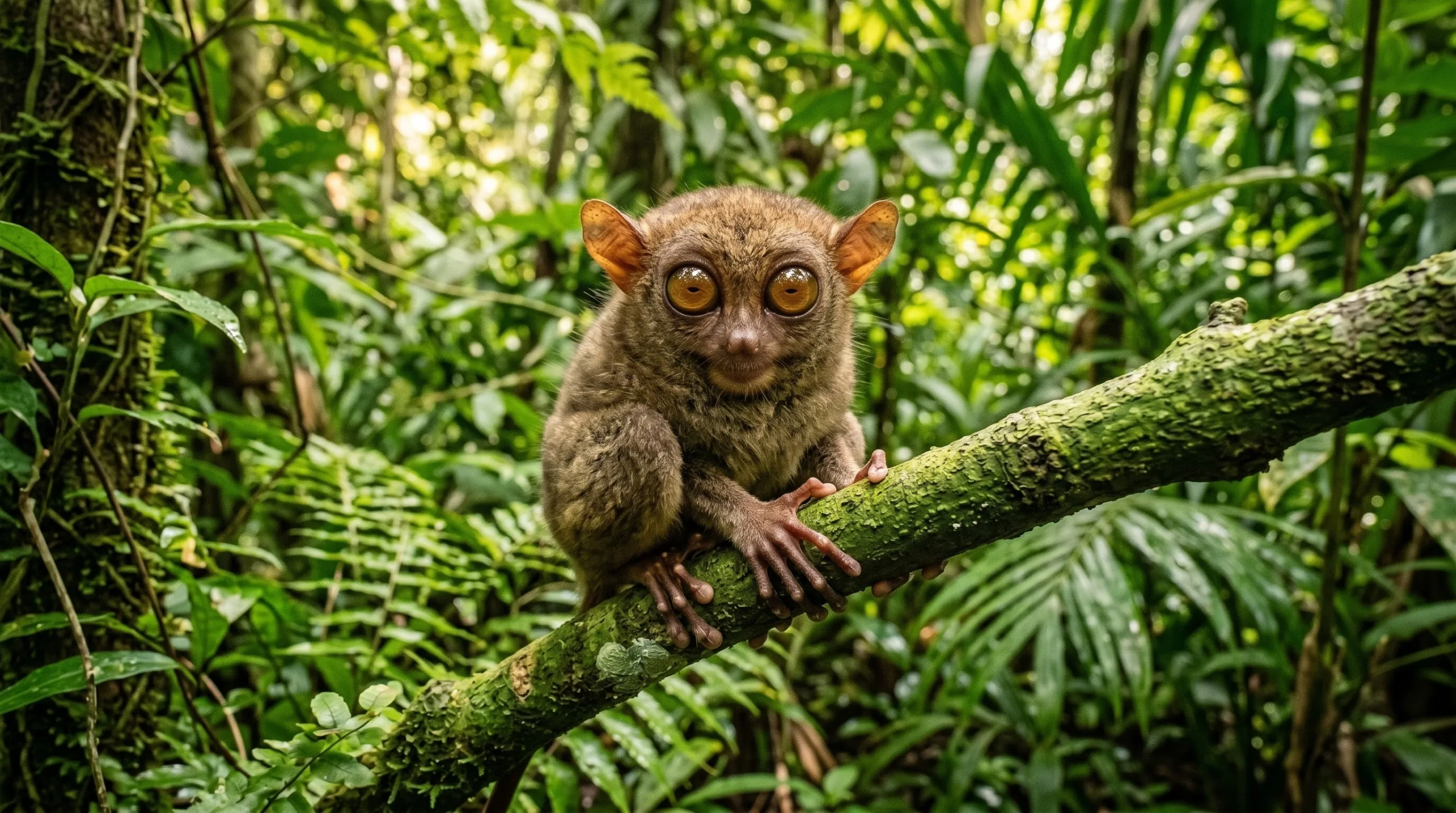
BOHOL - The Philippine tarsier has become one of Bohol’s most recognizable wildlife species, with conservation facilities helping visitors learn more about these unusual primates. Their huge eyes are adapted for seeing in low-light conditions, while their powerful hind legs allow them to leap between branches as they search for insects and other small prey. Yet their small size and fascinating appearance can make it easy to forget that they are wild animals with specific habitat needs. Tarsiers are naturally nocturnal and sensitive to excessive noise, bright lights, and unnecessary handling, making quiet forest environments essential to their well-being.
The Tarsier’s Home Extends Beyond Bohol
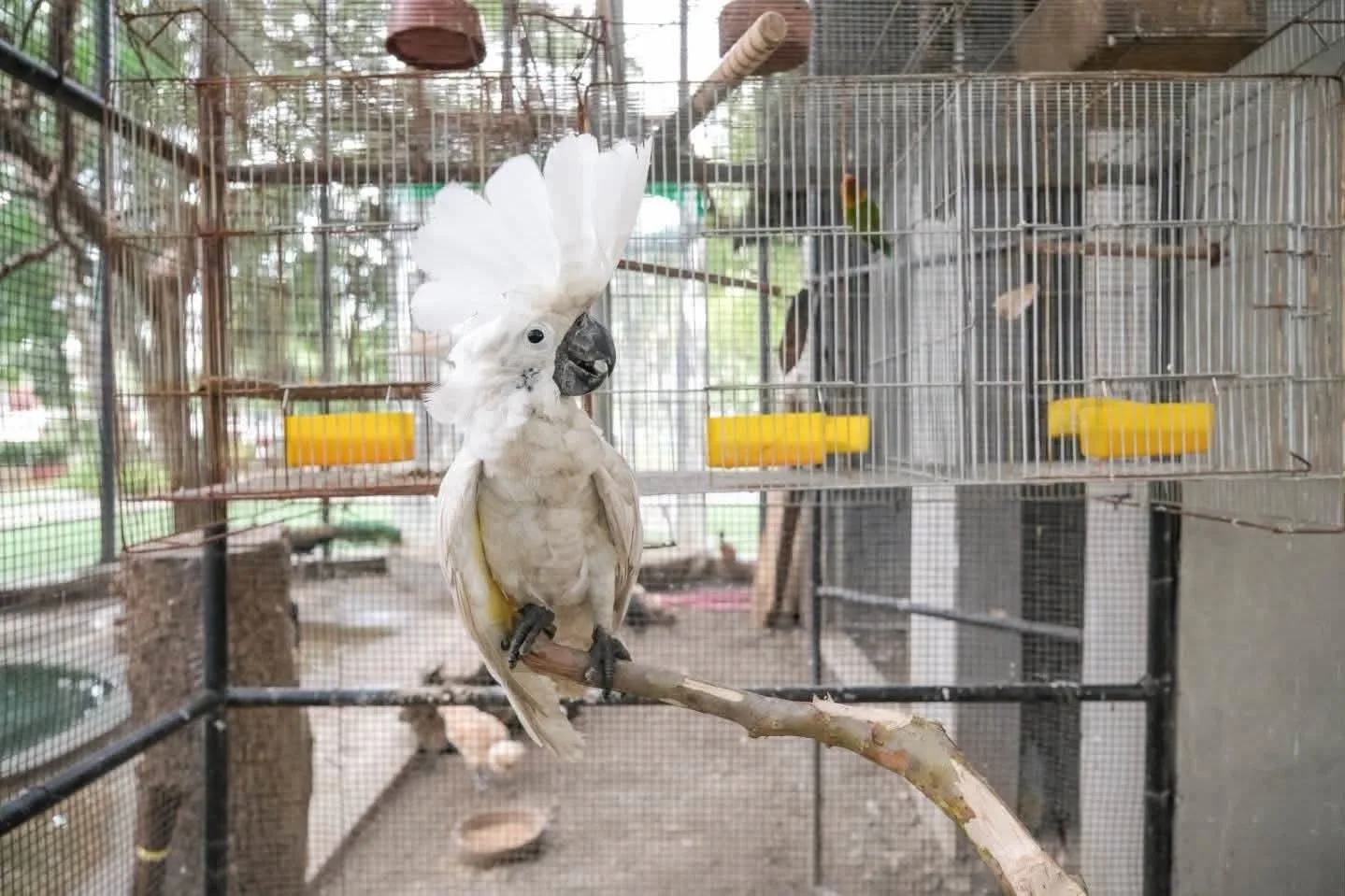
Bohol may be strongly associated with Philippine tarsiers, but it is not the only place where they can be found. Populations have also been documented in areas including Samar, Leyte, Mindanao, and several smaller Philippine islands. A recent rescue of three tarsiers in Alabel, Sarangani, after rising water threatened their riverbank habitat, demonstrated that these animals can still be encountered outside the island that made them famous. The incident also highlights an important conservation lesson: when people encounter wildlife in unexpected places, the safest response is to contact appropriate environmental authorities rather than attempt to keep, handle, or relocate the animals themselves.
Protecting the Forest Protects the Tarsier
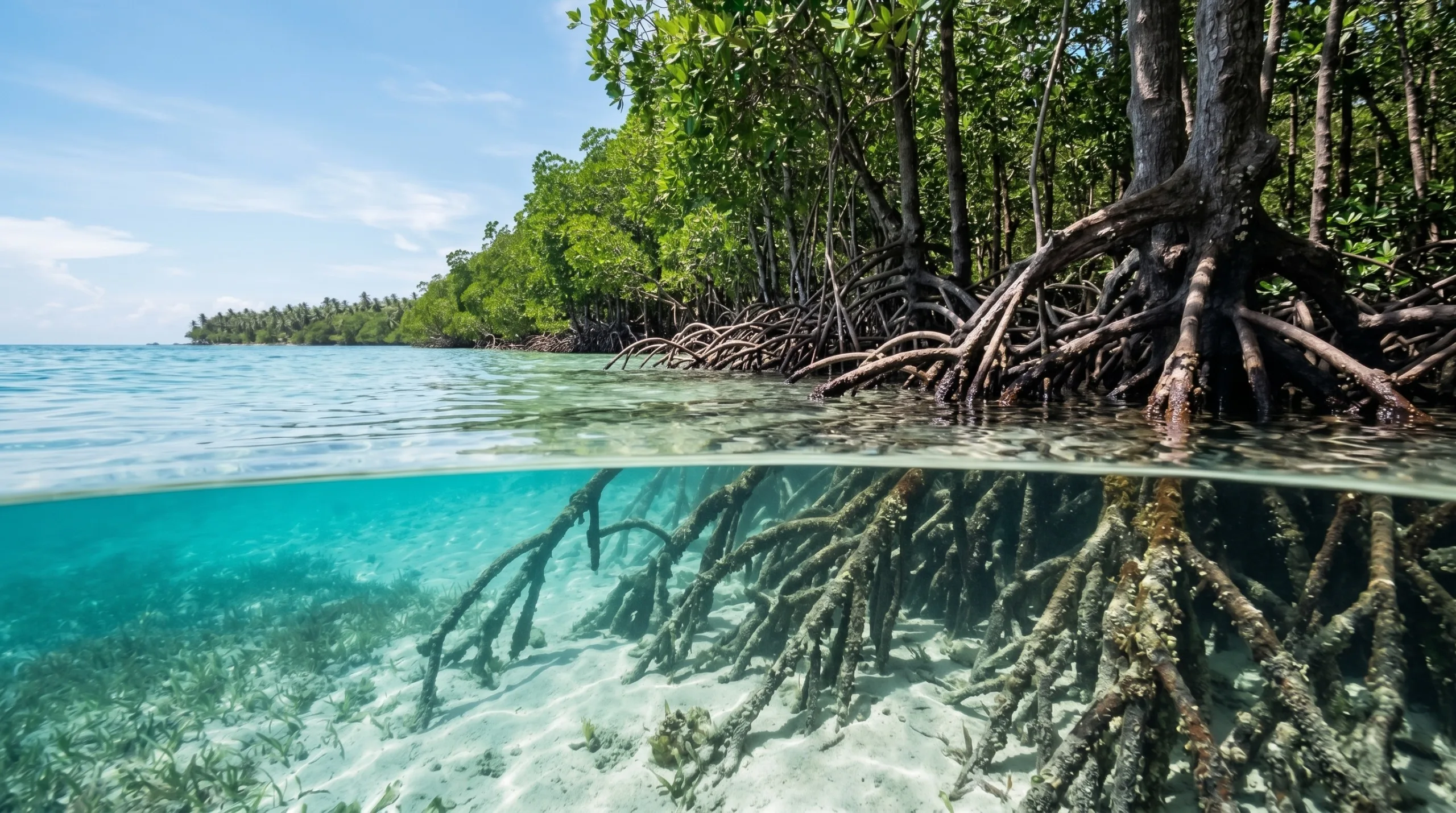
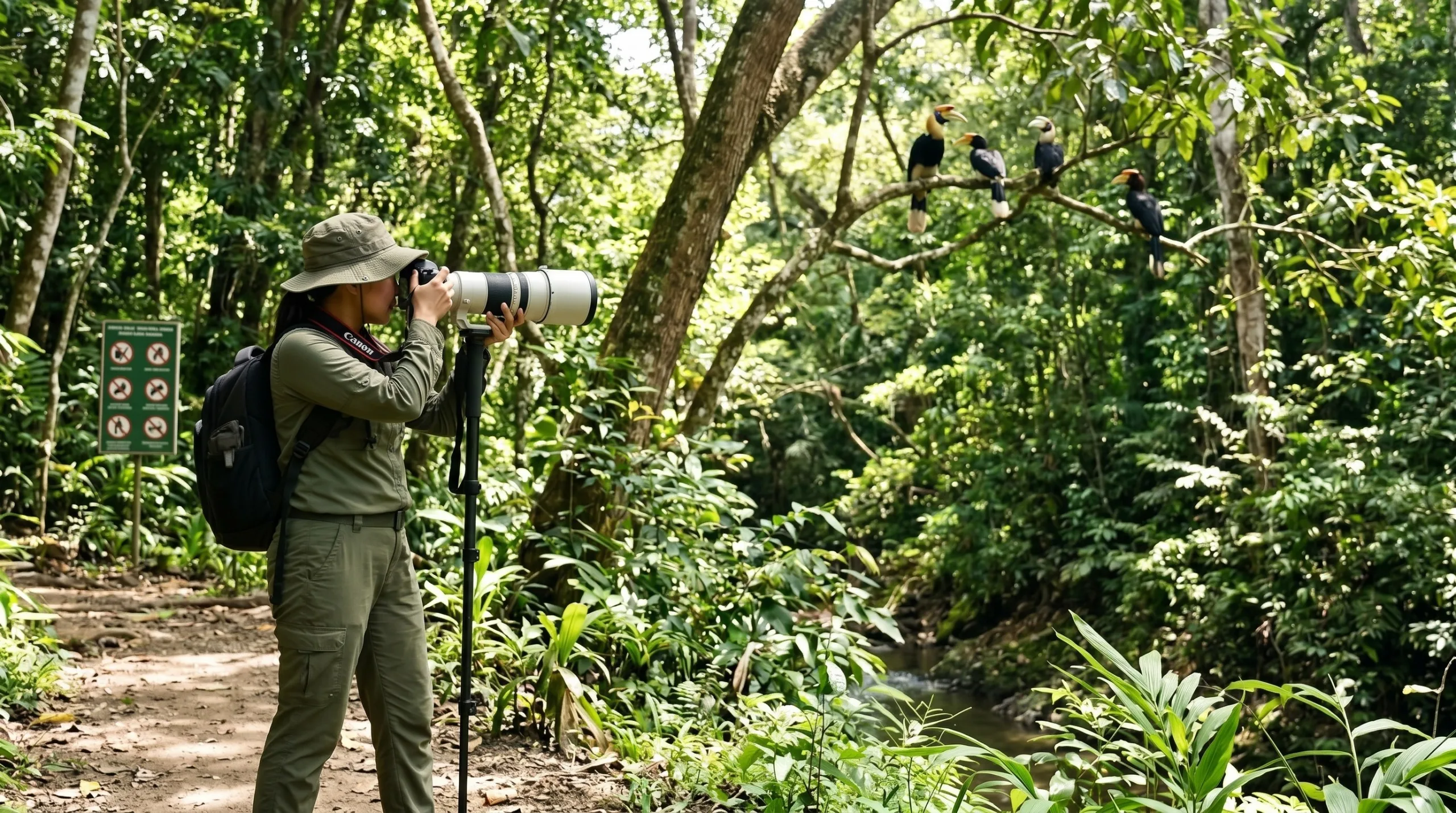
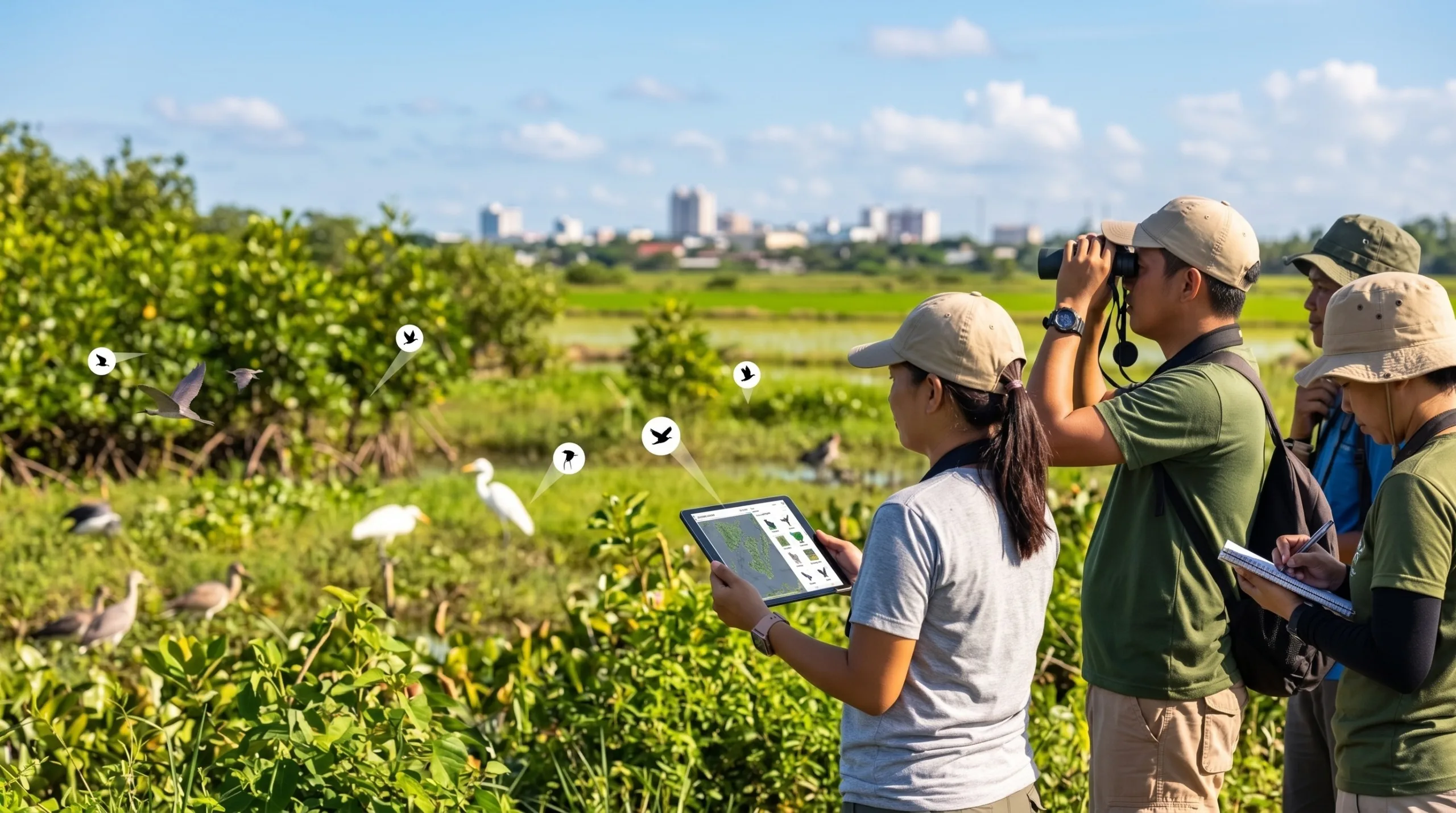
The future of the Philippine tarsier is closely tied to the future of its forest habitat. Habitat loss and fragmentation can reduce the spaces where these animals feed, rest, reproduce, and move between trees. Wildlife protection therefore goes beyond preventing illegal capture—it also means maintaining healthy forests and reducing unnecessary disturbance. In Bohol, continued conservation, responsible ecotourism, scientific monitoring, and community awareness can help protect the species and the ecosystems surrounding it. For residents and visitors alike, one of the best ways to appreciate a tarsier is to observe it responsibly and remember that its greatest value is not as a tourist prop, but as a living part of Bohol’s natural heritage within the Bohol Island UNESCO Global Geopark.