A Closer Photograph Can Come at a Cost
BACOLOD - Wildlife photography allows travelers to appreciate animals in their natural habitats, but getting too close can disrupt their behavior. An approaching photographer may cause a bird to abandon its nest, force a resting animal to flee, or interrupt feeding and courtship. In Negros Occidental, where wildlife habitats support native species and conservation efforts, responsible photography is especially important during nature excursions. A photograph should never take priority over an animal's safety, comfort, or ability to behave naturally.
Distance Helps Animals Remain Undisturbed
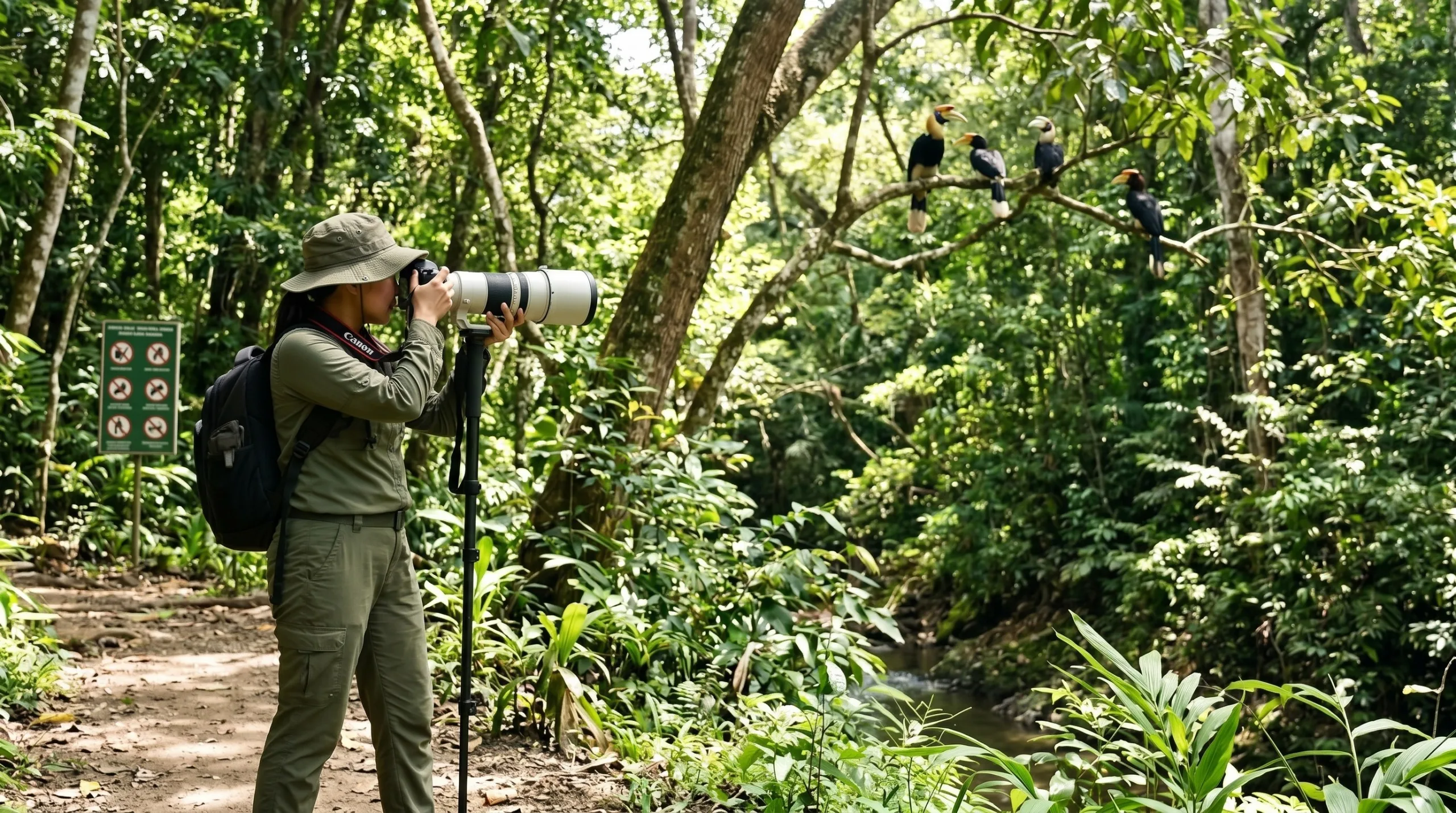
There is no single safe distance that applies to every species because an animal's size, behavior, habitat, and sensitivity all influence how close a person can responsibly approach. Photographers should use zoom lenses, remain on designated trails, follow guide instructions, and avoid surrounding animals or blocking their escape routes. Warning signs such as repeated alarm calls, sudden changes in movement, defensive displays, or an animal repeatedly moving away indicate that people should increase their distance. Flash photography, baiting, playback of animal calls, and attempts to attract wildlife for a better shot should also be avoided when they could cause disturbance.
Responsible Images Can Support Conservation
Ethical wildlife photography can help people appreciate biodiversity without turning animals into props for photographs. Visitors exploring conservation-oriented destinations such as Danjugan Island should follow site rules, listen to trained guides, and avoid sharing precise locations of vulnerable species when disclosure could expose them to disturbance or harm. Tourism operators can reinforce these practices through visitor briefings, guided observation areas, and clear photography guidelines before excursions begin. By respecting wildlife boundaries, photographers help preserve the natural experiences that make nature tourism valuable for future visitors and local communities.