The Grocery List Tells a Story
BACOLOD - Families rarely buy food based on price alone, but prices can influence what eventually makes it into the shopping basket. When a staple becomes more expensive, households may adjust quantities, switch brands, choose another ingredient, or change how often they buy it. These small decisions can add up across thousands of households and affect the way people plan meals and manage their money. Looking at food prices over time can therefore reveal which everyday expenses are putting greater pressure on family budgets. It also shows why the cost of living is often felt most clearly during an ordinary trip to the market.
Prices Connect the Farm to the City
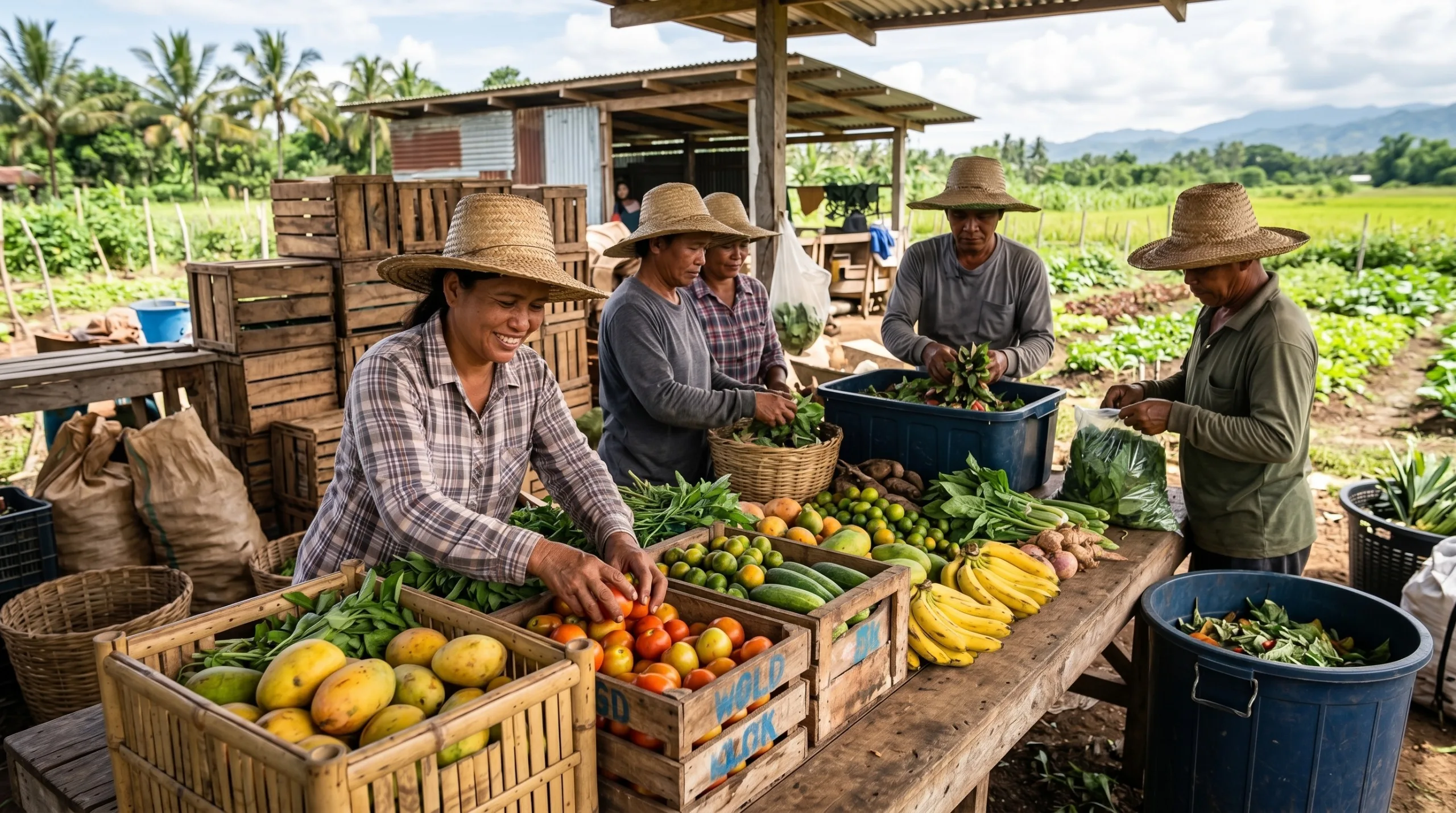
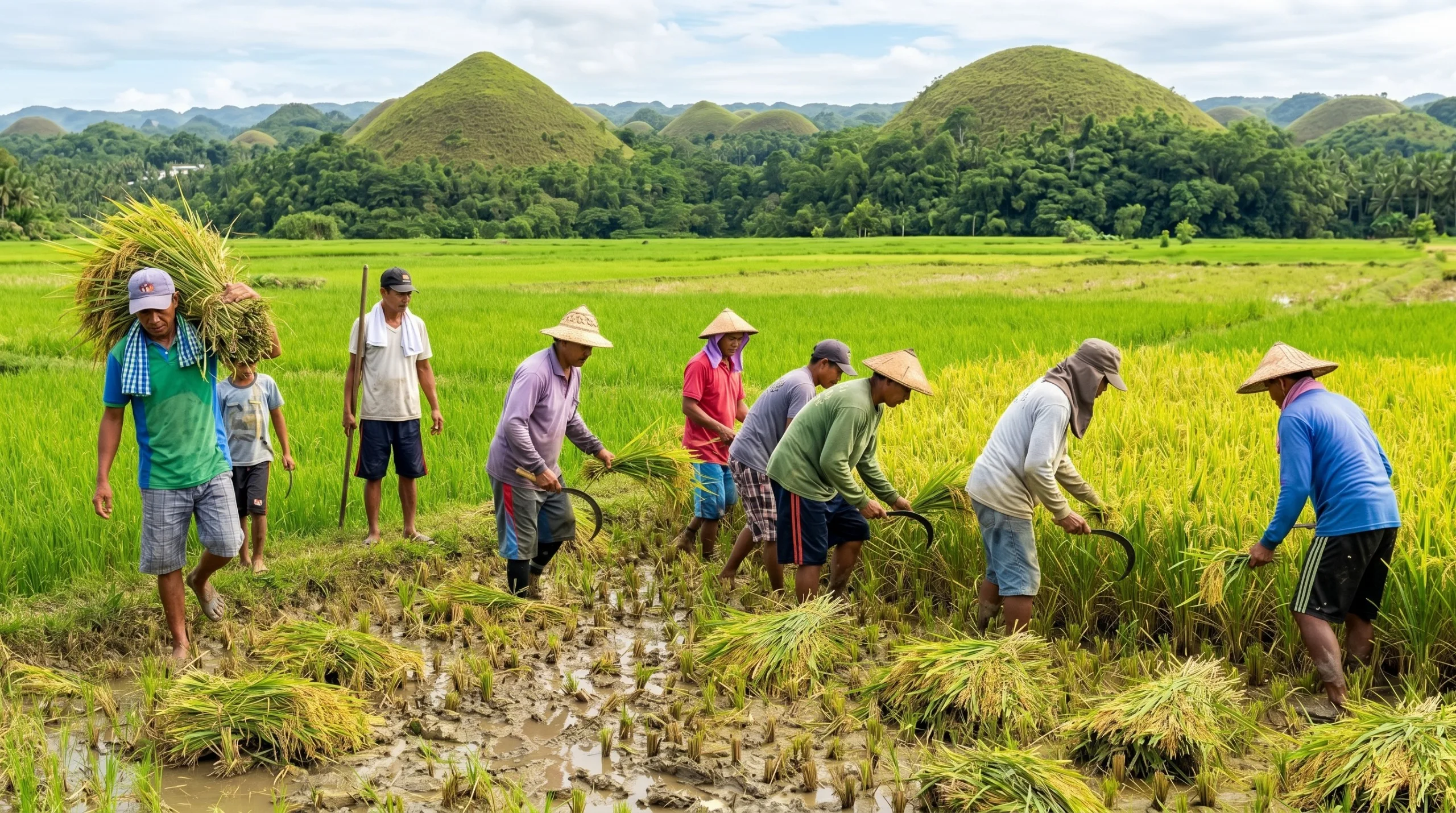
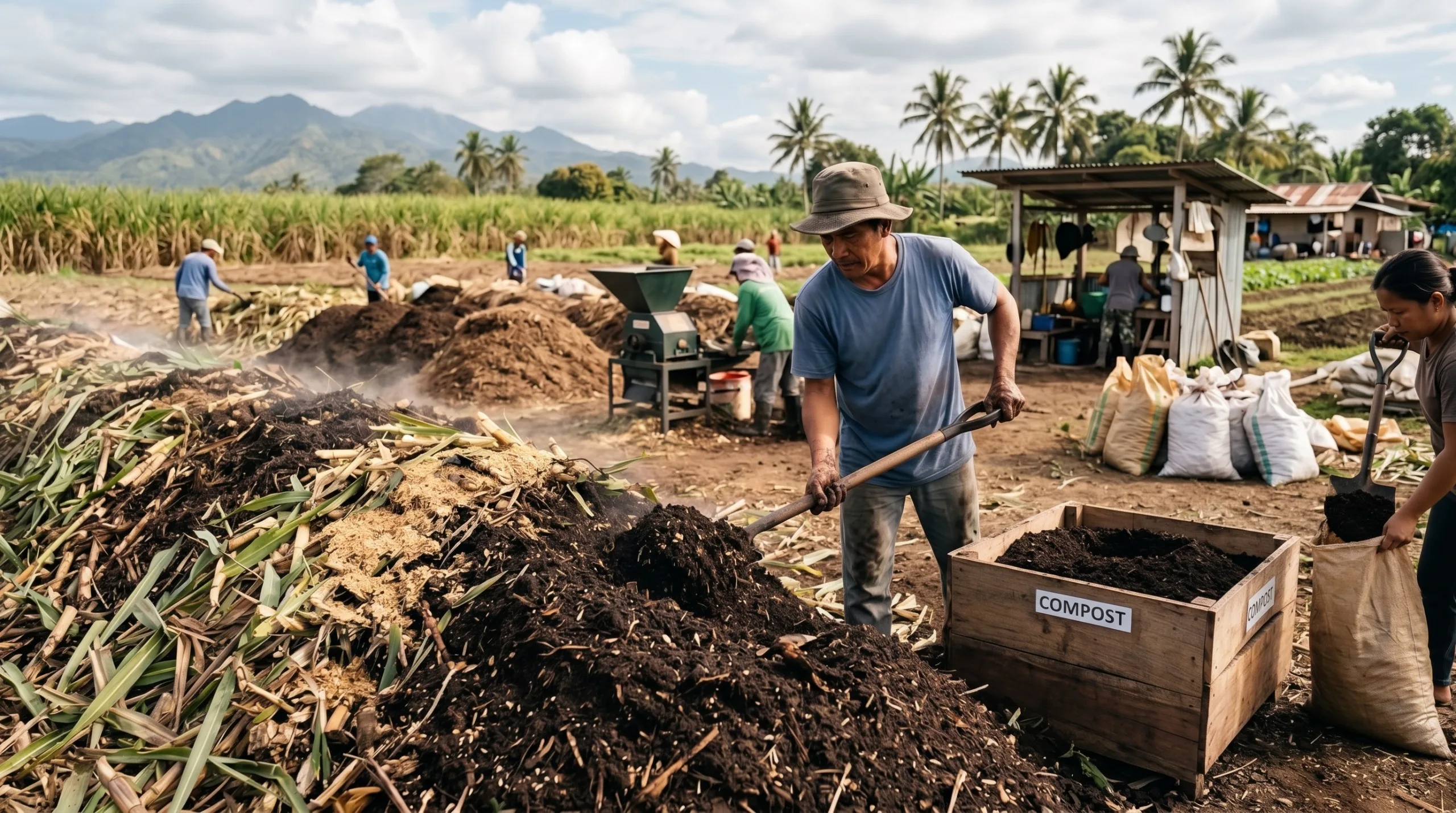
The price of food in Bacolod is connected to much more than what happens inside the city. Farmers have to deal with production costs, weather, harvest volumes, storage, transportation, and market demand before their products reach consumers. The Philippine Statistics Authority's Consumer Price Index data tracks changes in food and other commodity groups, providing a way to see how these movements affect inflation. When prices move, the effects can travel through the entire chain—from farms and traders to public markets, restaurants, and family kitchens.
A Market Can Show How a Community Is Adapting
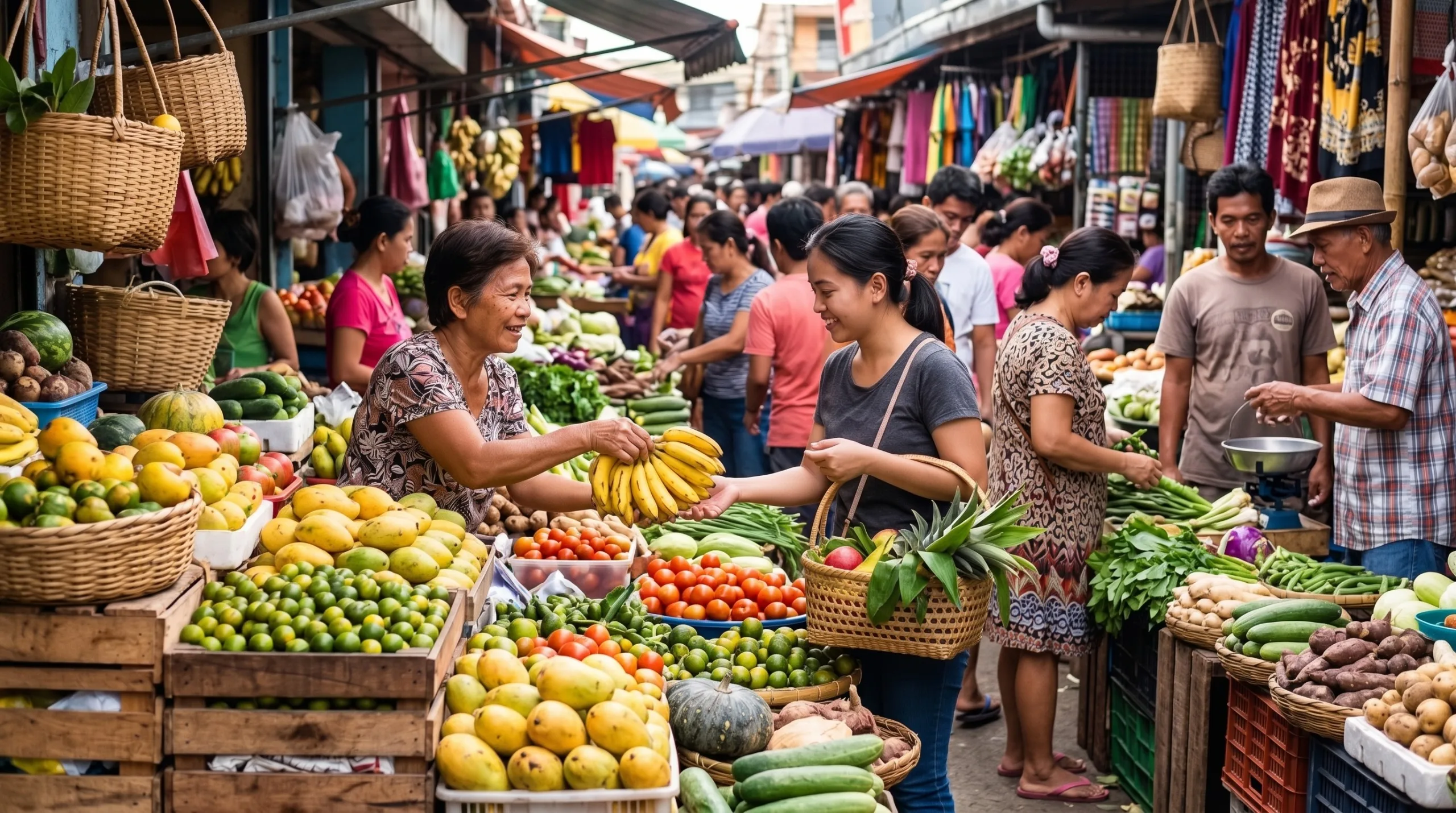
Food prices can also reveal the practical ways people respond when their budgets change. A family might buy seasonal produce, compare prices between markets, reduce food waste, or prepare meals at home more often. Small restaurants and food stalls may also adjust portions, ingredients, suppliers, or menu prices as their own costs change. These reactions can tell a broader story about how households and businesses adapt without necessarily changing the character of the local food culture. In Bacolod, where food is closely connected to everyday social life, the market can be more than a place to shop—it can be a useful reflection of how the community is managing change.