When More Supply Means Lower Prices
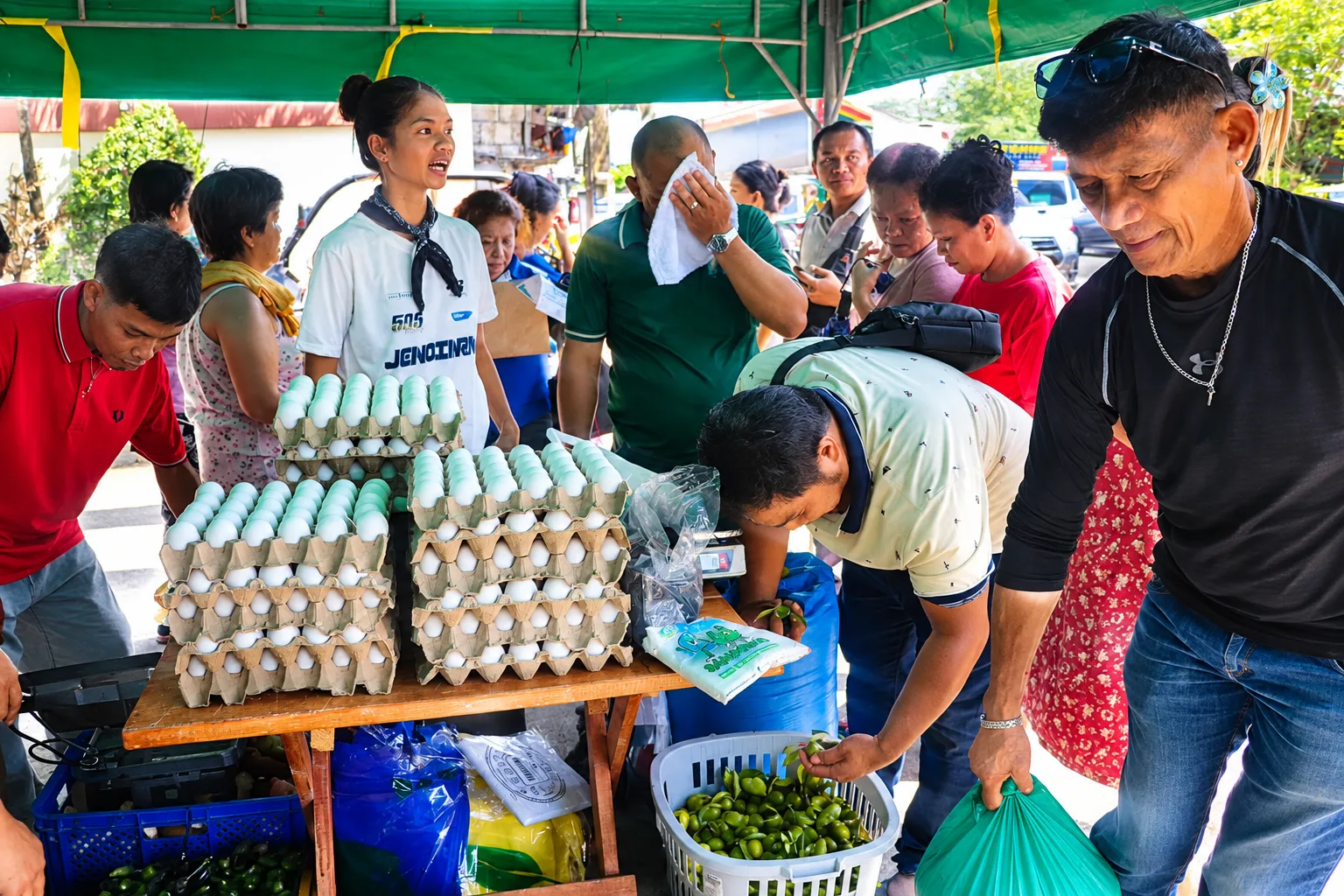
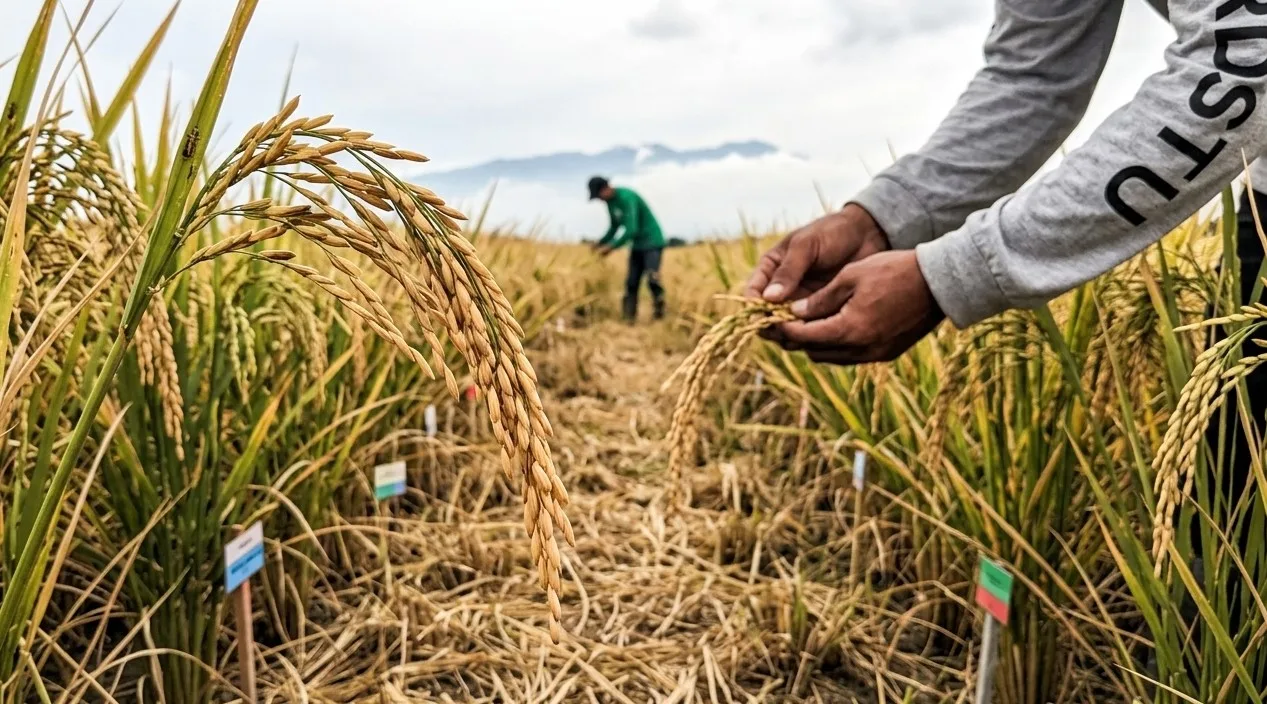
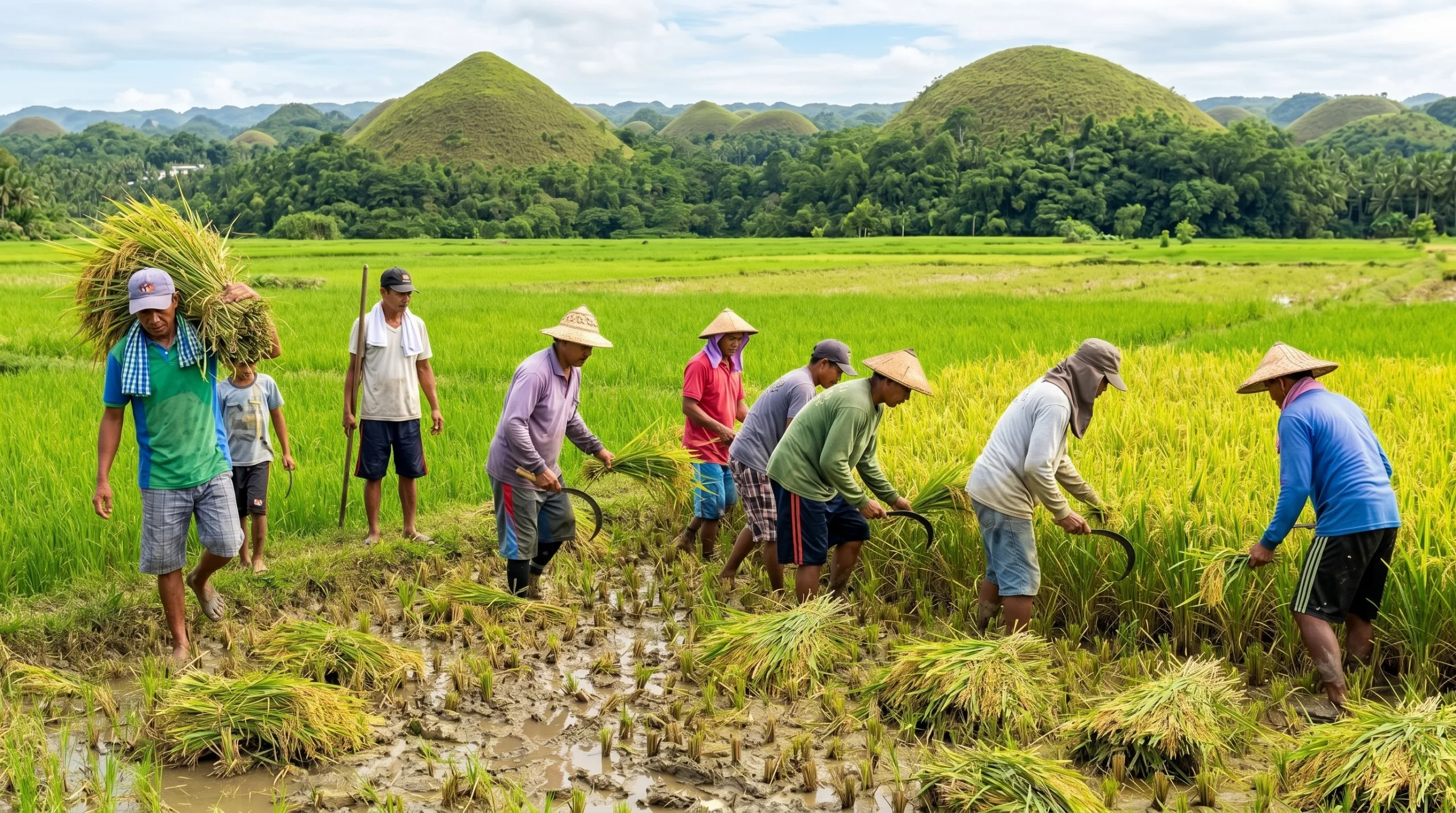
BOHOL - Agricultural prices can change quickly when a large number of farmers harvest the same crop at around the same time. Local markets may not have enough buyers or storage capacity to absorb everything, leaving farmers with difficult choices. Some may lower their prices to sell quickly, while highly perishable crops can lose quality if they remain unsold. A strong harvest can therefore create a challenging situation where producing more does not always mean earning more.
Finding Buyers Beyond the Local Market
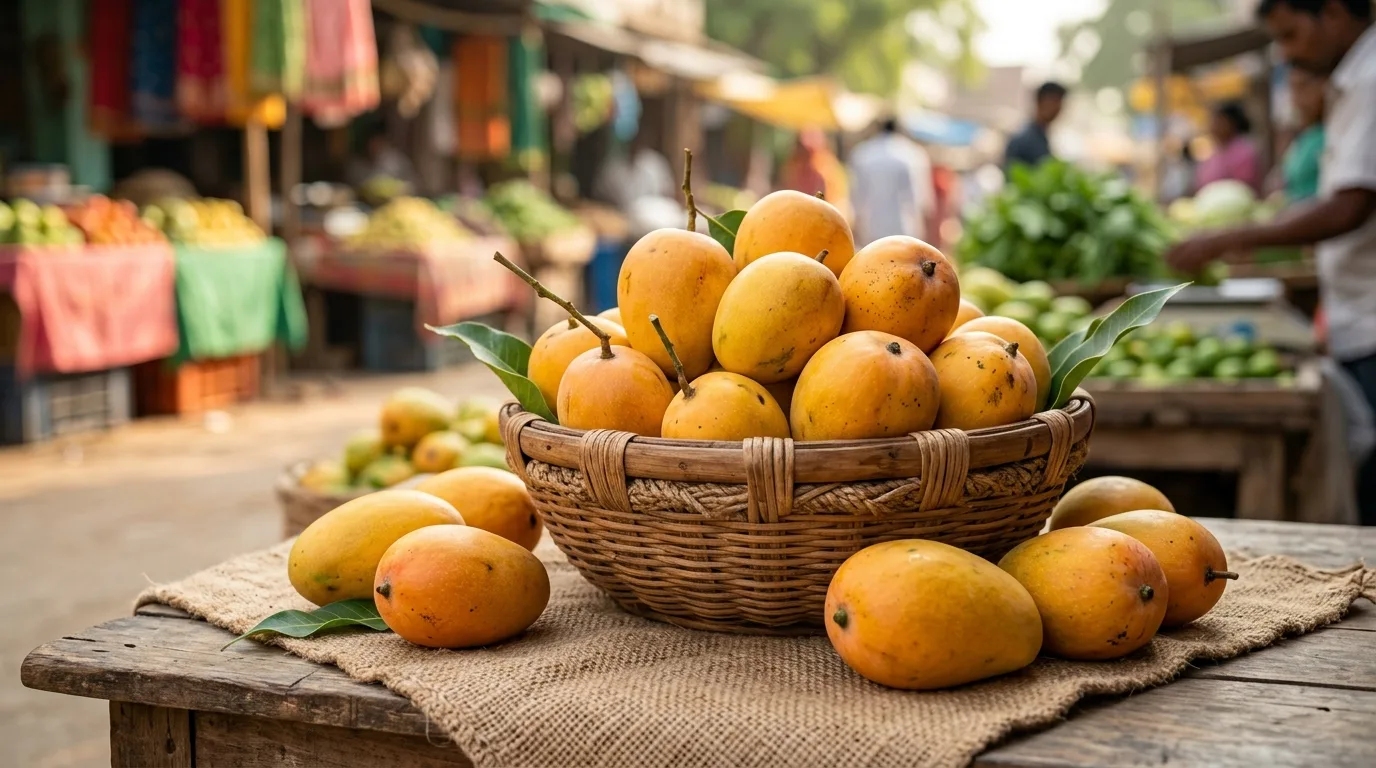
One way to manage excess production is to connect farmers with markets outside their immediate communities. Restaurants, supermarkets, institutional buyers, food processors, traders, and larger public markets can provide additional outlets for surplus crops. Better coordination between growers can also make it easier to supply buyers with consistent quantities and quality. Improving transportation and farm-to-market connections can further help move products while they are still fresh, especially for crops that have a short shelf life.
Turning Extra Harvest Into Something More Valuable
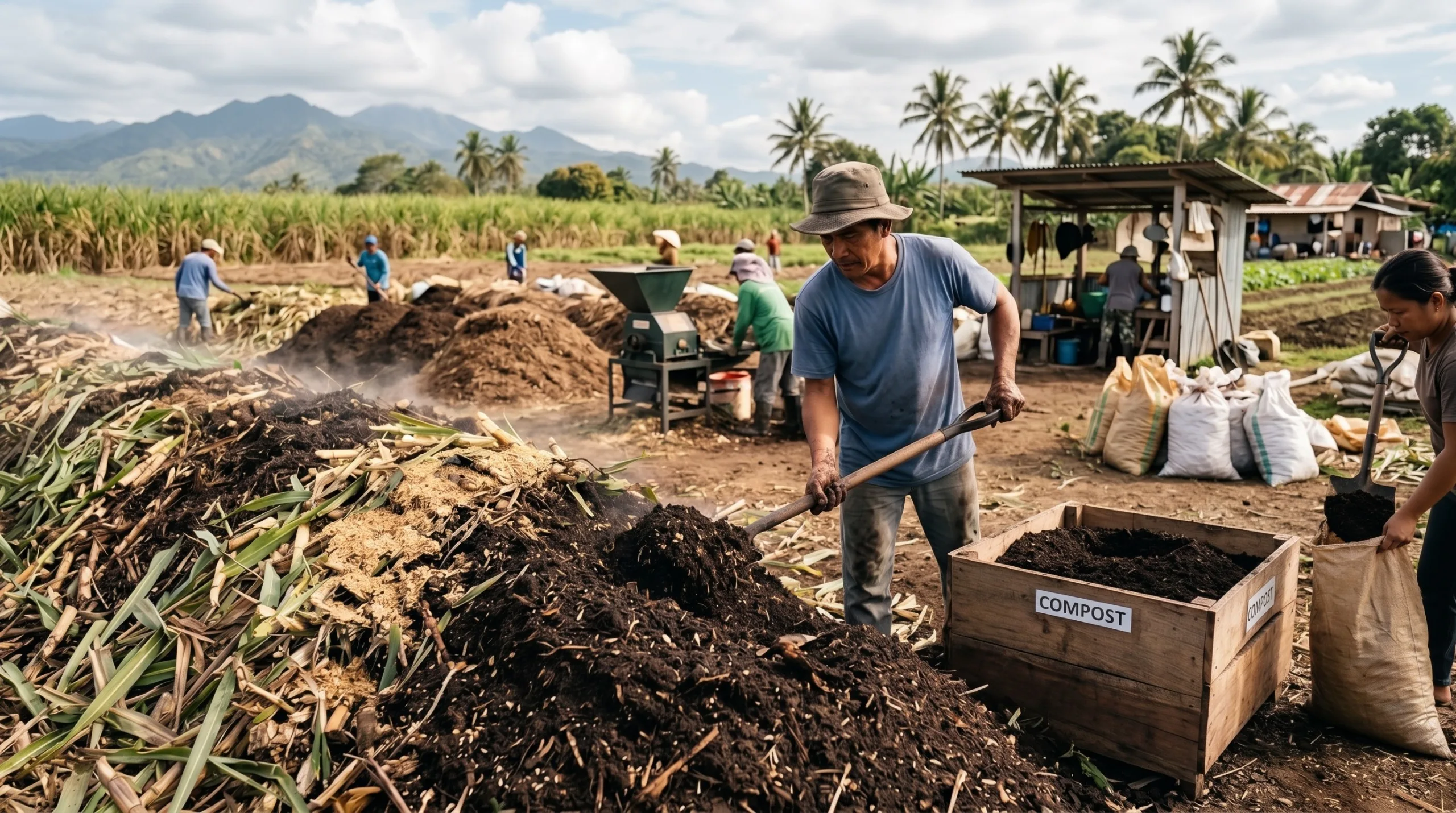
Not every surplus crop needs to be sold fresh. Processing can give farmers another way to use produce that might otherwise remain unsold. Fruits can become jams, dried products, juices, or other food items, while certain vegetables and root crops can be processed into longer-lasting products. Cooperatives and small agricultural enterprises can also explore shared storage, processing, packaging, and marketing. A harvest that is too big for one local market does not have to become wasted food. With better planning and stronger connections between farmers and buyers, surplus production can become the starting point for new products, businesses, and livelihood opportunities in Bohol.