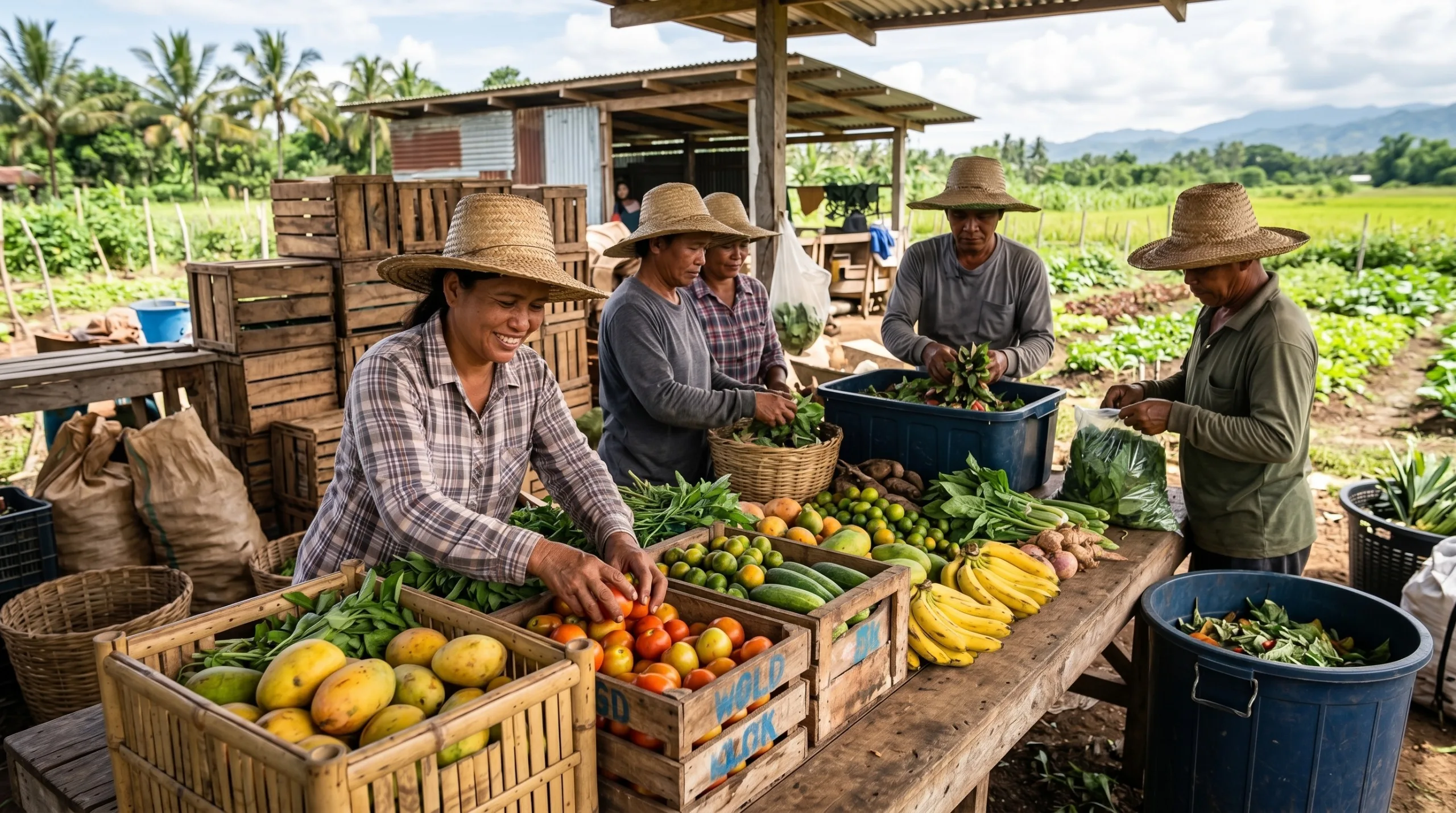
The Harvest Does Not Always Stop at the Market
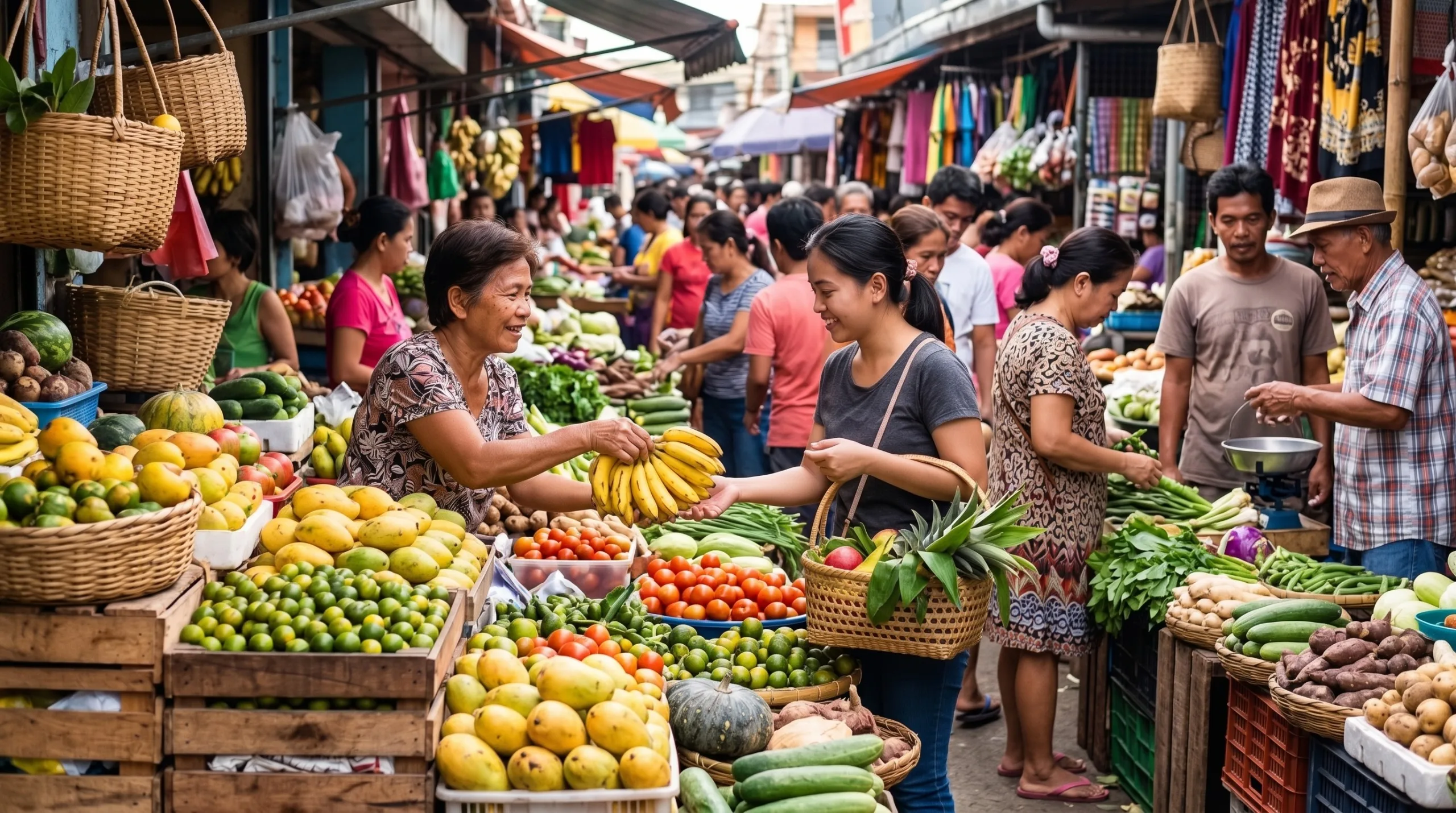
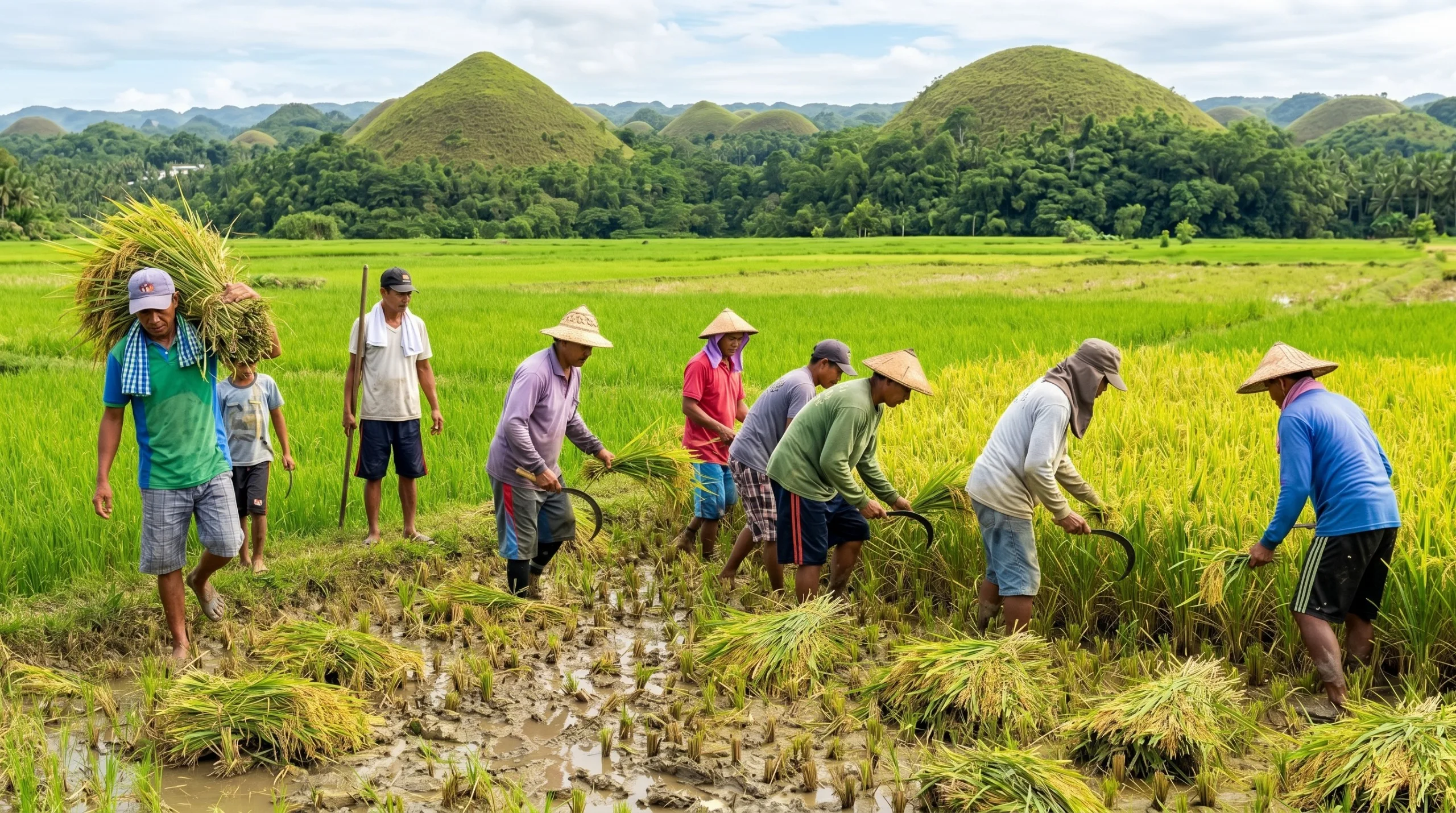
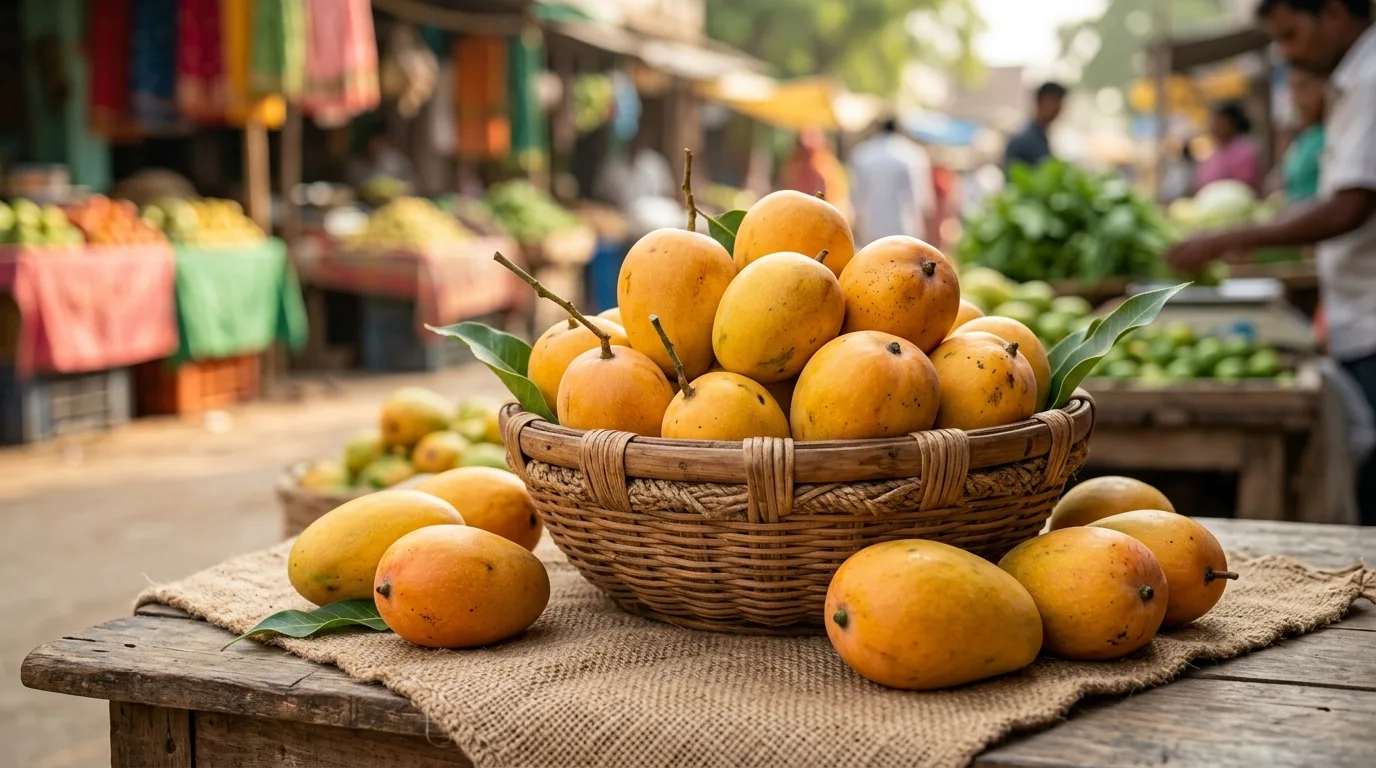
BACOLOD - A farmer may bring a large harvest to market only to discover that demand is lower than expected. Some produce can remain fresh long enough to be sold at another market, while highly perishable items may need a faster solution. Prices can also change when several farms harvest the same crop at roughly the same time, leaving sellers with more produce than buyers can absorb. This can turn a successful harvest into a difficult financial decision, especially when transportation, labor, packaging, and other costs have already been paid. What looks like excess food at the market can therefore represent hours of work and investment from the farm.
Some Produce Can Become Something Else
When fresh sales are not practical, processing can give certain crops another purpose. Fruits can be turned into preserves, sauces, dried products, or other food items, while vegetables can sometimes be processed or incorporated into prepared products. The Philippine Department of Agriculture has promoted postharvest handling and processing as ways to reduce losses and increase the value of agricultural products. Farmers and small businesses can also explore direct selling, community markets, institutional buyers, or arrangements with food businesses when appropriate. The goal is to keep usable produce moving toward another buyer or use instead of allowing it to become waste.
Even Spoiled Produce Can Return to the Farm
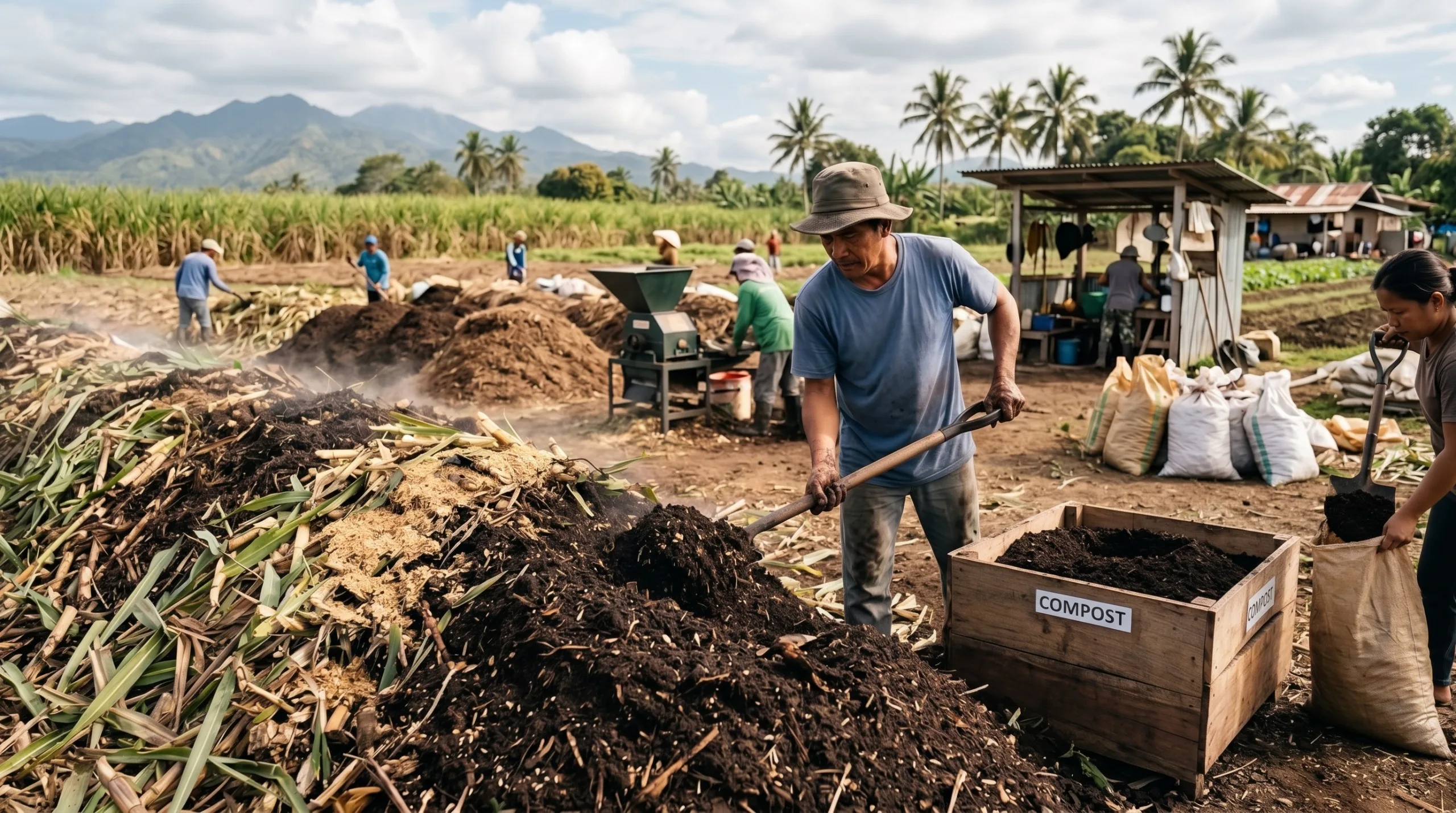
Not everything can be saved for human consumption, and that is where other forms of reuse become important. Produce that is no longer suitable for people may have potential for livestock feed when handled appropriately, while some organic material can be composted and eventually returned to agricultural soil. The Department of Environment and Natural Resources promotes composting and other forms of organic waste management as part of reducing biodegradable waste sent to disposal facilities. For farming communities, this creates a useful reminder: an unsold harvest does not necessarily have to end as garbage. With the right handling, what could have been wasted may still become food for animals, material for compost, or an ingredient for another product.