Caves Provide Shelter for Specialized Wildlife
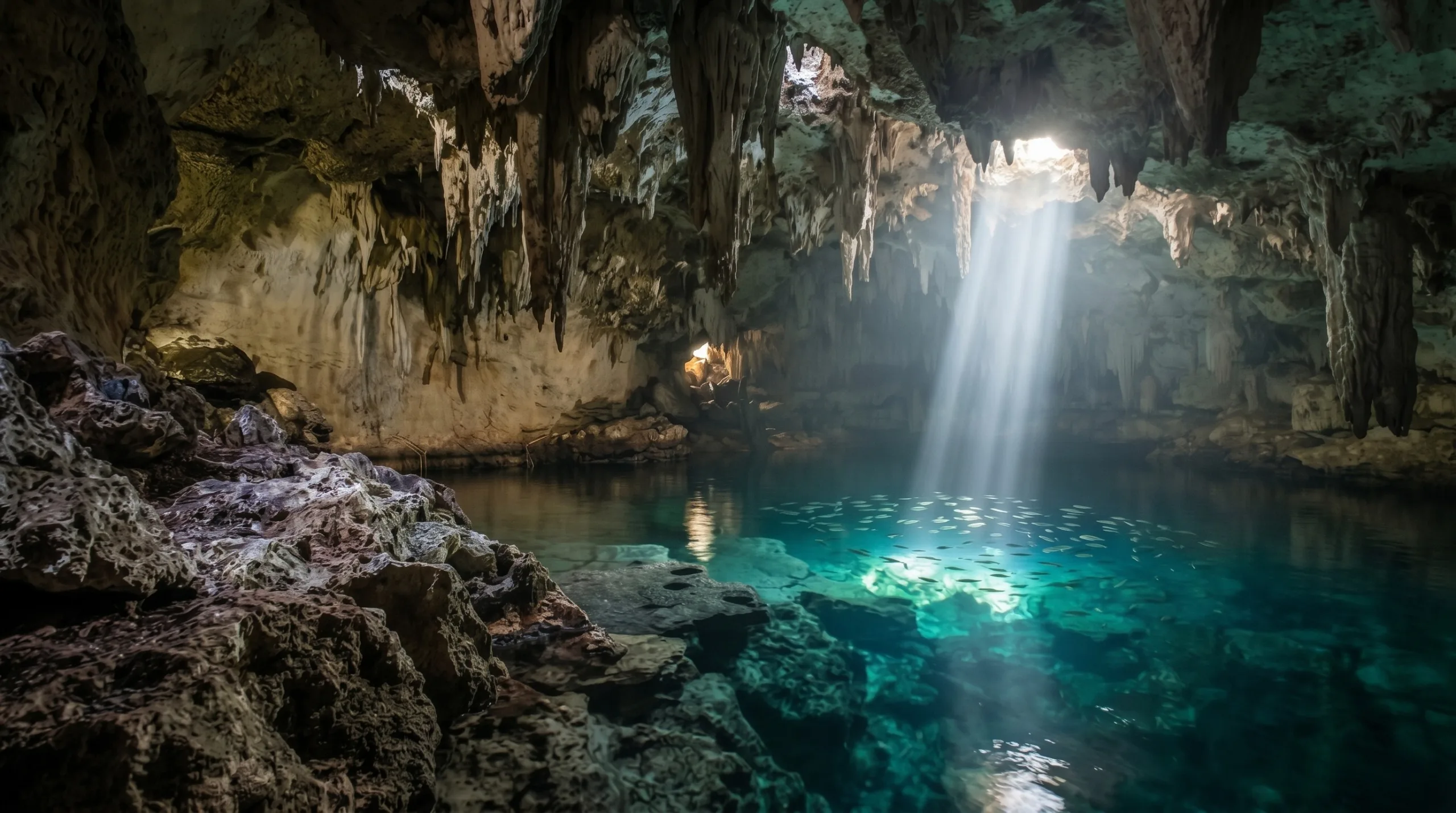
BOHOL - Beneath Bohol’s limestone landscapes are habitats that support wildlife adapted to darkness, limited food supplies, and sheltered underground conditions. Caves provide resting and breeding areas for bats, while damp passages, underground streams, and pools can support smaller organisms adapted to life in these environments. Research on Philippine cave biodiversity has documented numerous bat species in Bohol, demonstrating the island’s importance as a habitat for cave-dwelling wildlife. Some of the province’s subterranean species are particularly notable, including Caridina boholensis, a freshwater shrimp recorded from caves and springs in southern Bohol. These animals depend on specific environmental conditions, which means changes in water quality, cave structure, or surrounding vegetation can affect their survival.
Cave Wildlife Contributes to the Wider Environment
The ecological importance of caves extends beyond their underground chambers. Bats that leave caves to forage can help control insect populations, disperse seeds, and pollinate certain plants, depending on the species. Their accumulated droppings, known as guano, can also provide nutrients that support food webs inside caves. In Trinidad, Batungay Cave offers an example of how underground habitats connect with the surrounding forest environment. The municipal government describes separate cave sections associated with snakes and bats, alongside a flowing stream and distinctive limestone formations. These features illustrate how caves can support different forms of wildlife while contributing to the natural character of the surrounding landscape. Protecting these habitats therefore involves considering not only the animals inside the caves but also the vegetation, water sources, and land around their entrances.
Protecting Caves Helps Preserve Bohol’s Biodiversity
Cave ecosystems can be vulnerable to disturbance because many cave-dwelling animals depend on stable conditions and specific shelter locations. Excessive noise, unregulated visitation, hunting, waste disposal, removal of cave resources, and destruction of surrounding vegetation can damage these habitats. Responsible cave exploration should follow local regulations, avoid disturbing wildlife, and leave rock formations and other natural features untouched. Scientific surveys and cooperation among environmental authorities, researchers, and local communities can also help identify sensitive areas that need protection. In Bohol, conserving cave habitats complements broader biodiversity goals associated with the Bohol Island UNESCO Global Geopark. By recognizing caves as living ecosystems rather than simply geological attractions, communities can help preserve specialized wildlife and the natural processes that support it for future generations.