Healthy Marine Habitats, More Sustainable Fishing
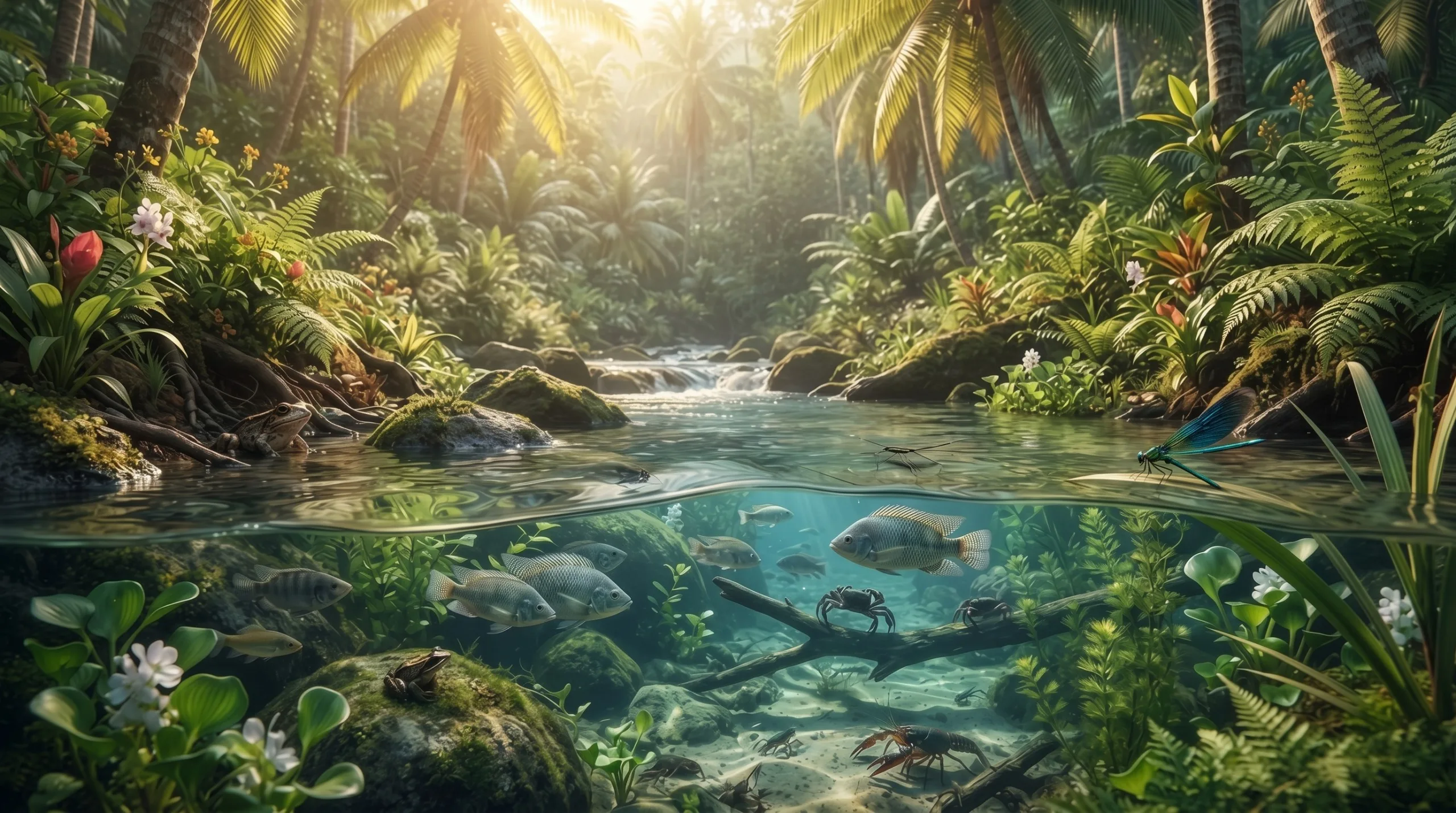
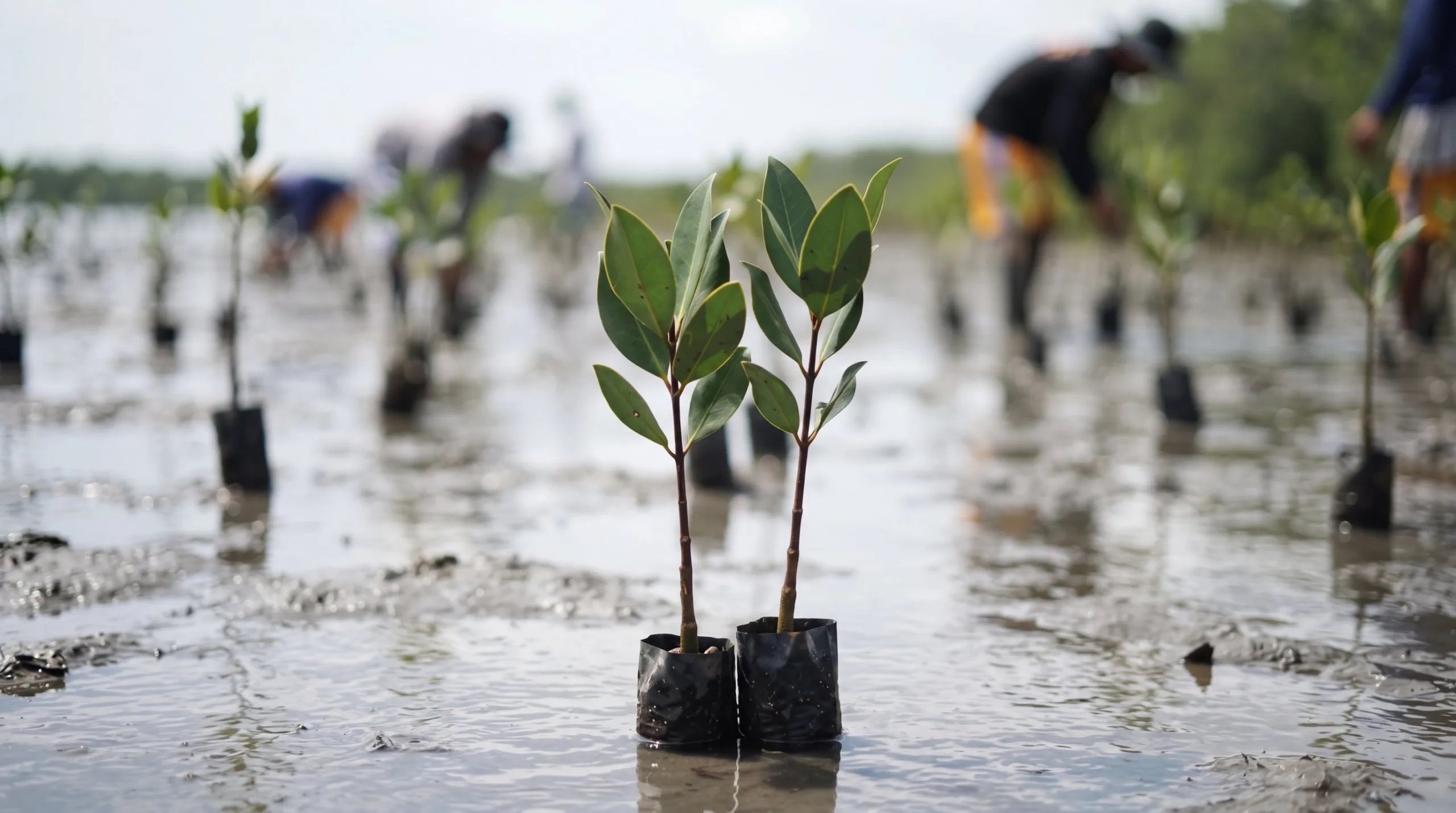
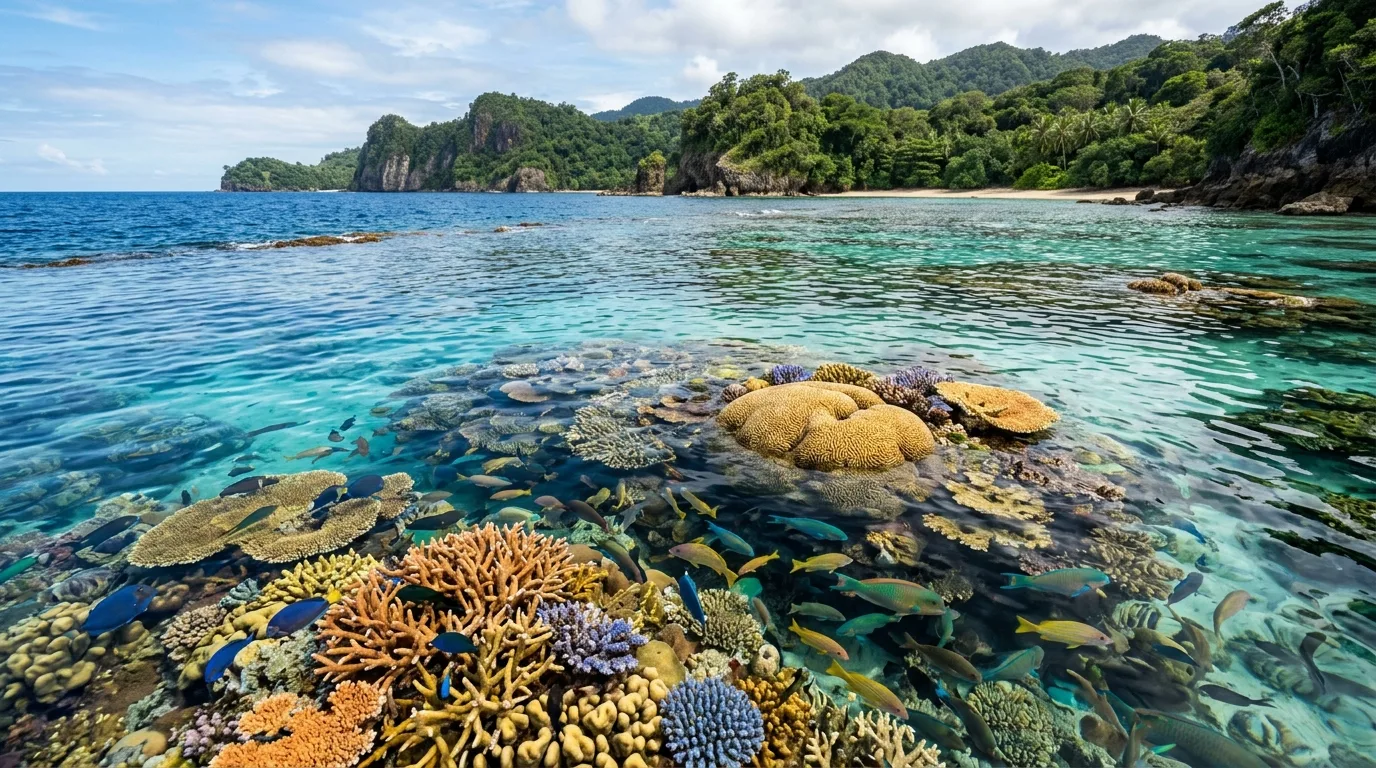
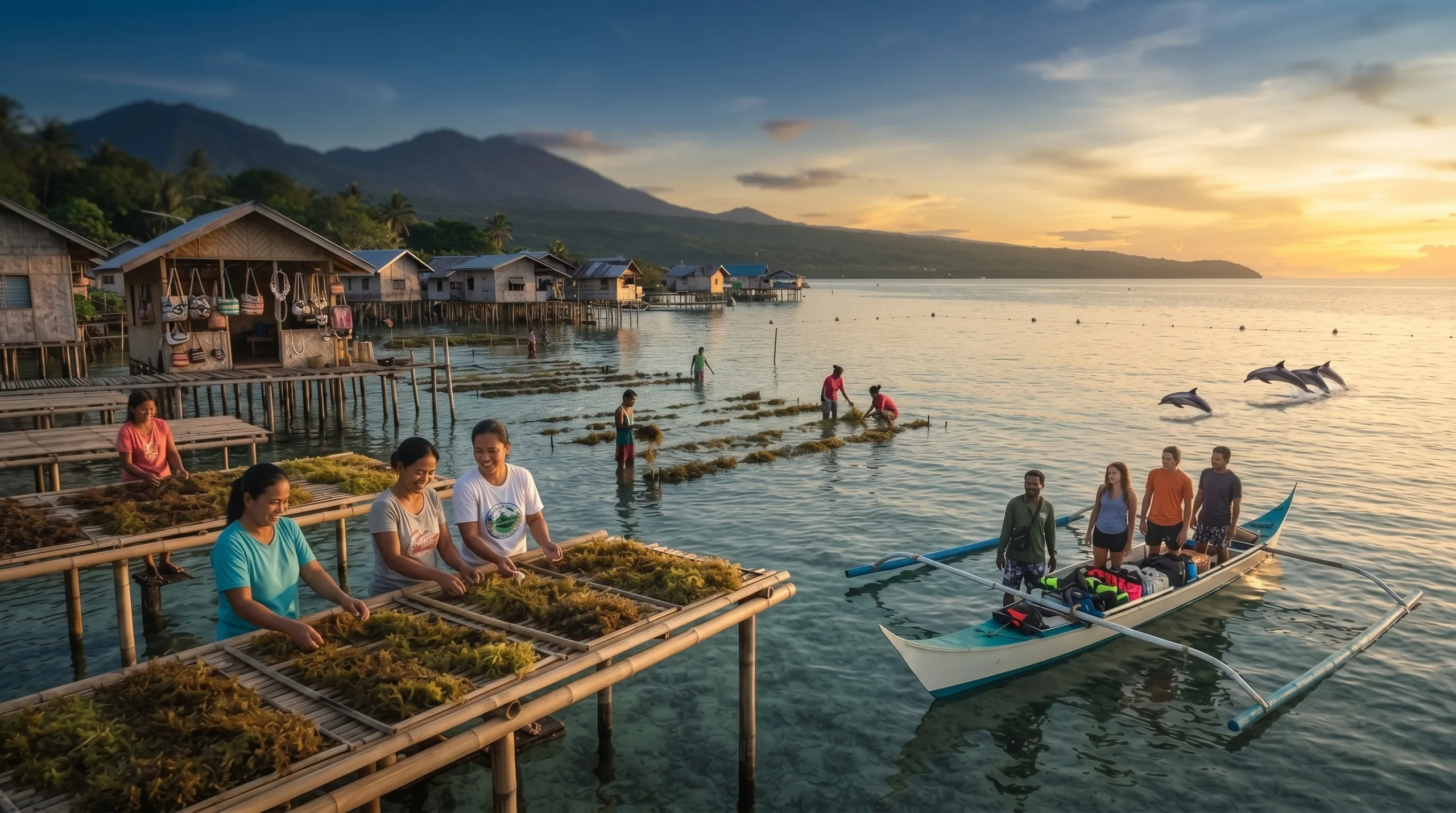
GENERAL SANTOS CITY - The waters surrounding General Santos City are closely connected to the livelihoods of fishing communities, making marine wildlife protection an important part of the conversation about the local economy. The nearby Sarangani Bay Protected Seascape includes coastal and marine ecosystems such as coral reefs, seagrass beds, and mangrove forests, according to the Department of Environment and Natural Resources’ Protected Area Information System. These habitats provide important ecological functions and support marine biodiversity, which can benefit fisheries when ecosystems are properly managed. Protecting breeding areas, reducing pollution, and discouraging destructive fishing practices can help sustain the natural resources that fishing communities rely on. For General Santos, conservation is therefore relevant not only to wildlife but also to the long-term future of seafood production and related businesses.
Conservation Can Open Doors Beyond Fishing
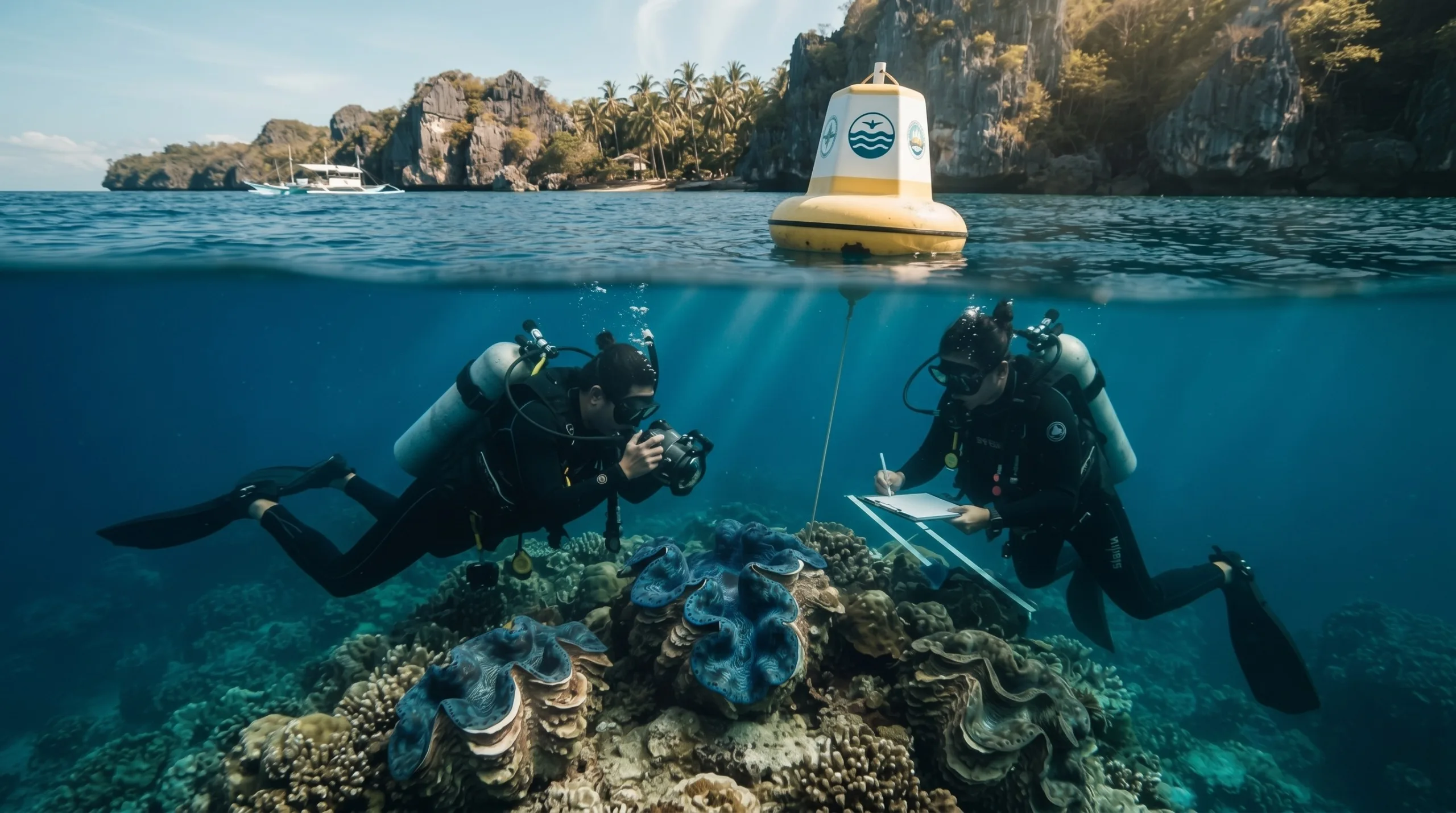
Protecting wildlife can also create opportunities for people whose income does not come directly from catching fish. Community-based environmental education, guided coastal visits, responsible wildlife observation, and locally prepared food products are possible activities that may complement traditional livelihoods when suitable locations and demand exist. In May 2026, the Environmental Management Bureau Region XII held the SOX Water Summit in General Santos City, bringing together government agencies, academic institutions, nongovernmental organizations, and other stakeholders to discuss protecting Sarangani Bay’s biodiversity. Such collaboration provides a setting for discussing conservation-related initiatives, although the summit report does not establish that new tourism jobs or businesses resulted from the event. With appropriate training and community participation, environmental programs could offer additional ways for residents to earn while contributing to habitat protection.
A Stronger Future for Coastal Livelihoods
Wildlife conservation becomes more meaningful to communities when environmental goals are considered alongside practical economic needs. General Santos City’s fish port illustrates the scale of the livelihoods connected to the seafood industry: the Department of Agriculture reported in July 2025 that the facility was associated with six of the country’s seven tuna canneries and provided jobs to more than 200,000 people. Although this figure reflects the port’s broader employment connections rather than conservation-related jobs alone, it demonstrates why the condition of marine resources matters to the wider economy. Training in sustainable fishing, improved waste management, habitat restoration, and alternative livelihood development could help communities respond to environmental pressures while protecting their income sources. Ultimately, conserving wildlife is not simply about preserving nature for its own sake; it can also form part of a longer-term approach to keeping coastal livelihoods viable.