Cooperatives Take Part in Coastal Care
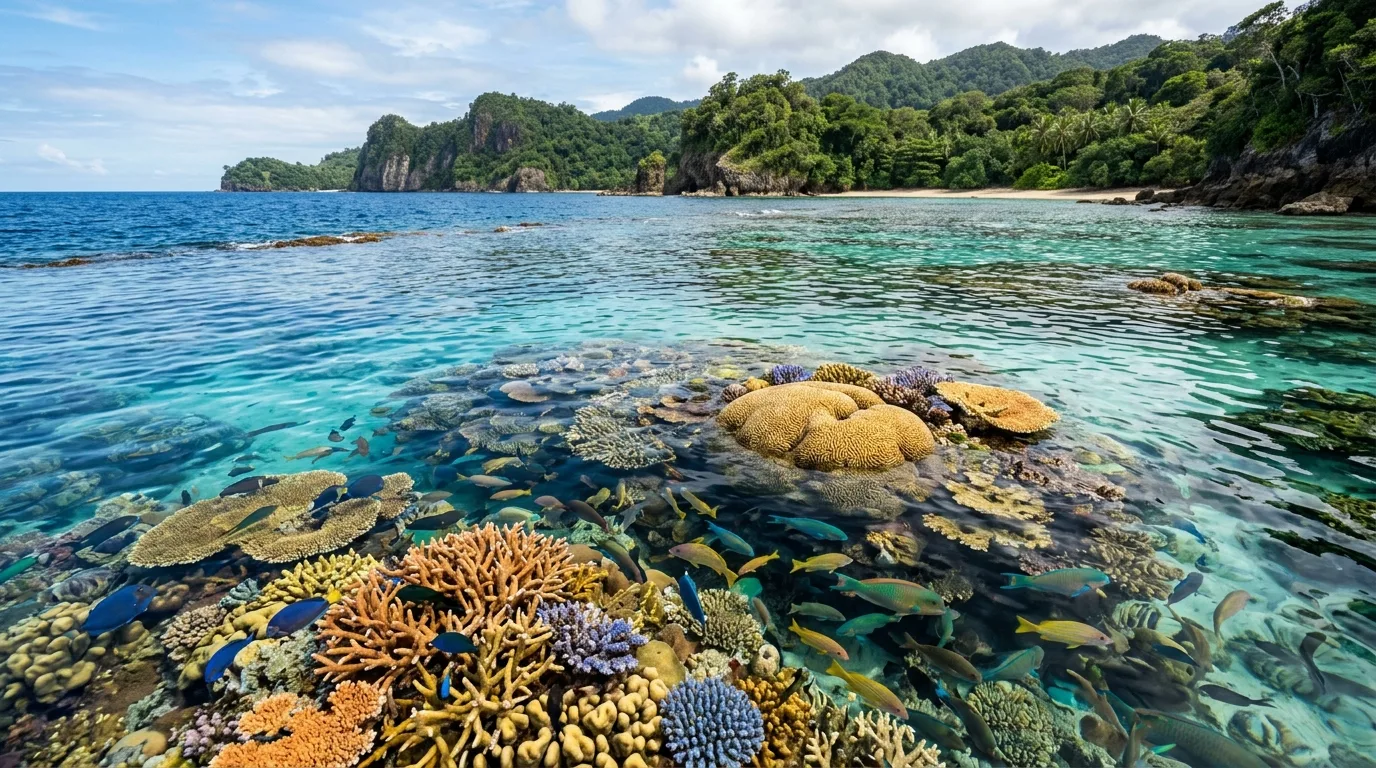
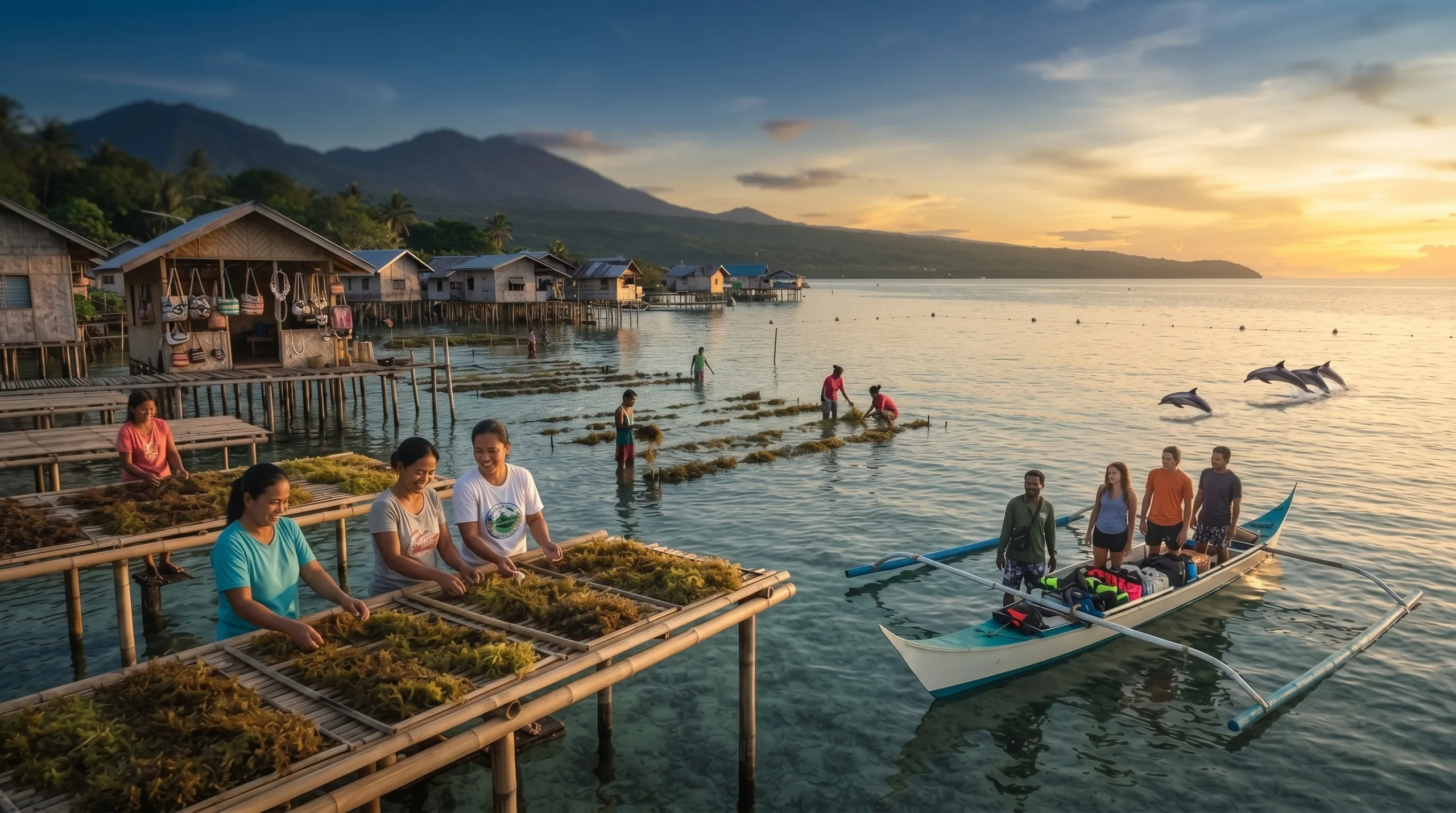
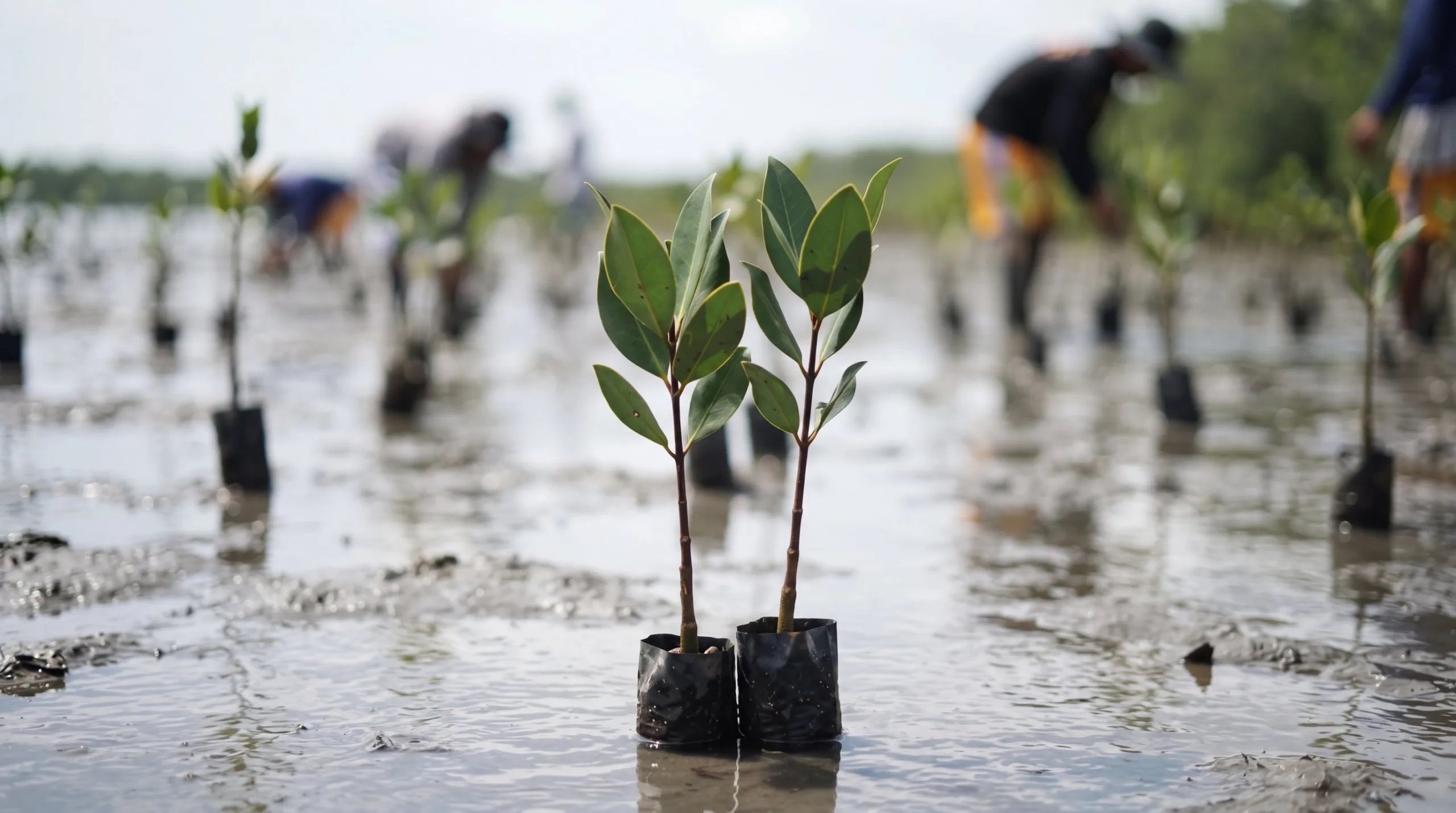
BOHOL - The mangrove planting activity demonstrates how cooperative organizations can extend their work beyond economic activities and into environmental stewardship. In Alumar, the participation of the Alumar Seaweed Farmers Association connects the initiative with a community whose livelihood is closely linked to the coastal environment. Mangrove areas can help stabilize shorelines, provide habitat for various organisms, and contribute to healthier coastal ecosystems. Protecting and restoring these areas can therefore complement the livelihood activities of communities that rely on marine resources.
Mangroves Add Protection to Coastal Communities
Mangroves serve several important functions in coastal areas, including helping reduce the effects of waves and coastal erosion while providing nursery and feeding areas for marine life. For island communities such as Alumar, maintaining healthy coastal habitats can be part of broader efforts to strengthen environmental resilience. The planting activity also shows how community participation can support rehabilitation efforts at the local level, particularly when environmental activities are connected with existing livelihood groups and organizations.
Building a More Sustainable Community
The opening activity for National Cooperative Month 2026 brings together cooperative development and environmental responsibility as complementary parts of community development. By involving local organizations in activities such as mangrove restoration, Bohol can encourage greater awareness of the connection between healthy ecosystems and sustainable livelihoods. The initiative in Getafe reflects a broader approach in which cooperation, environmental care, and community participation work together to support resilient coastal communities across the province.