DAVAO CITY — The Department of Agriculture Region XI has urged rice farmers to shift to drought-tolerant crops as El Niño is expected to intensify from December 2026 to January 2027. The agency issued the call during a media forum on Wednesday, citing significant damage already recorded across the region.
Significant Losses Already Recorded
Agriculturist Joedel Leliza reported that moisture stress has already caused substantial damage to farms. Before El Niño's activation, DA-XI recorded 2,027 farmers affected across 1,291.71 hectares, with a value loss of P713 million. When El Niño emerged in August, the number rose to 4,447 farmers, with 4,790.65 hectares damaged and a value loss of P444 million.
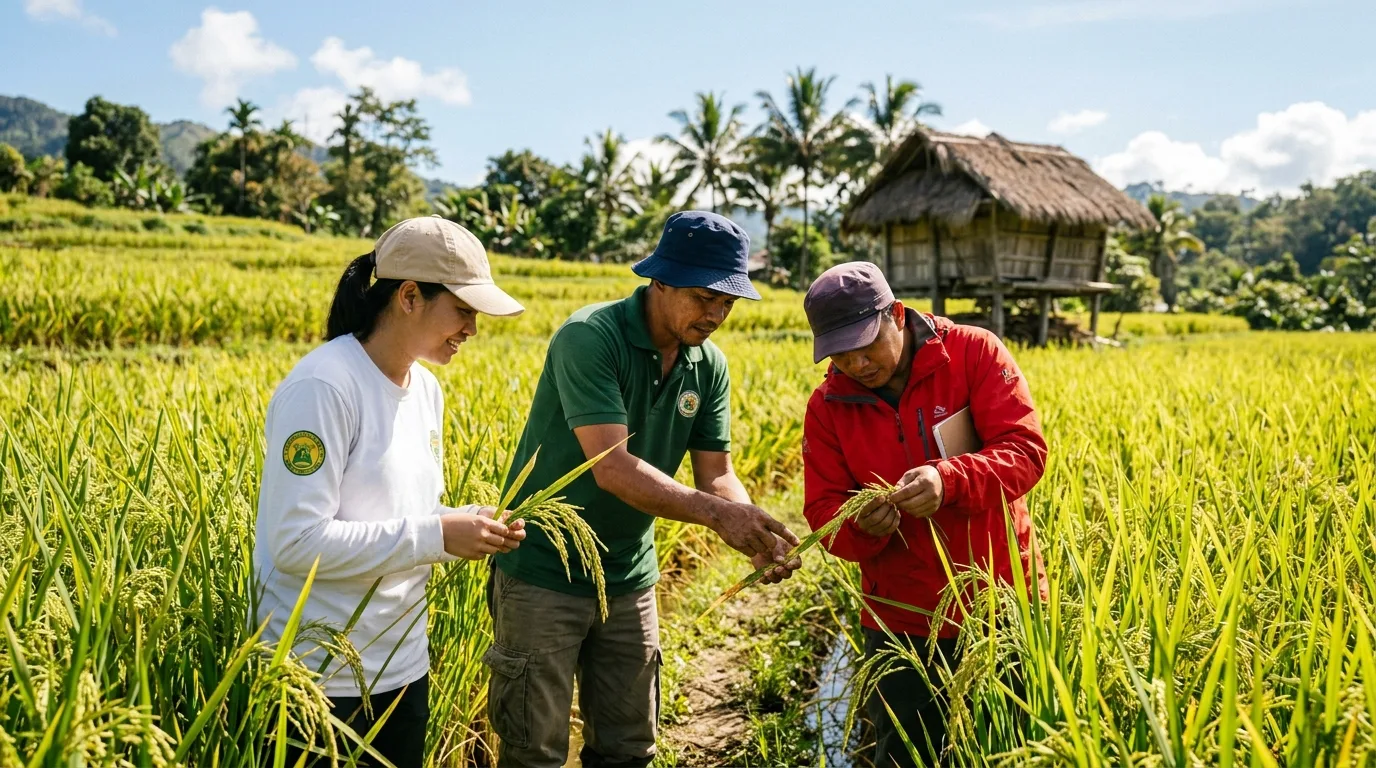
Rice was identified as the most affected crop. Leliza explained that rice farmers will be most vulnerable during the reproductive stage of their crops in December. At this stage, about 70 percent of the plant's total water requirement throughout its life cycle is needed, making production highly susceptible to moisture stress.
Drought-Tolerant Alternatives Recommended
To mitigate losses, DA-XI is encouraging farmers to plant drought-tolerant varieties such as legumes, watermelon, and other crops resilient to moisture stress. These alternatives offer lower water demand, shorter growth cycles, and stable market demand.
For farmers unable to completely shift away from rice, short-duration and drought-tolerant rainfed varieties can reduce exposure to severe water deficits. High-yield root crops like sweet potato and cassava, as well as sorghum, also present viable options for farmers seeking to diversify.
Support Programs and Funding
Leliza added that DA-XI has funds under the Quick Response Fund to provide seedlings and fertilizers upon request. The agency has also prepared an Action Plan with a P729 million budget focusing on preparatory activities, maximizing production in non-vulnerable areas, and saving production in vulnerable areas.
The plan includes provisions for drugs, biologics, feeds, and a P50 million buffer stock for rice seeds and assorted lowland vegetables. DA-XI will also conduct climate-smart agriculture trainings, particularly for corn farmers, noting that 99 percent of corn areas in the region are rain-fed.
Financial Protection for Farmers
Farmers are encouraged to enroll their fields with the Philippine Crop Insurance Corporation before planting. This ensures they can claim indemnity payouts to cover production costs if moisture stress destroys crops during the December to January peak.
To qualify for the Quick Response Fund allocations and free seeds, farmers must verify their registration in the Registry System for Basic Sectors in Agriculture at their municipal or city agriculture office. The free enrollment ensures that assistance reaches legitimate beneficiaries efficiently.
Practical Water and Soil Strategies
For irrigated areas experiencing reduced water supply, adopting Alternate Wetting and Drying technology allows fields to periodically dry out without compromising crop yield, saving up to 30 percent of field water requirements. Practicing zero-tillage or applying dry organic mulch around crop rows also lowers soil temperatures and slows evaporation.
Livestock raisers should set up shaded enclosures, increase ventilation, and ensure continuous access to cool drinking water to prevent heat exhaustion in swine, cattle, and poultry. These practical measures complement the government's broader response to the climate challenge.