TOKYO, Japan — Relations between Japan and Southeast Asia are entering a new phase of mutual trust and cultural exchange, with the Philippines standing at the forefront of this deepening partnership. For Overseas Filipino Workers, this evolving relationship translates into expanded job opportunities, enhanced protections, and a more secure future.
A Partnership Rooted in Understanding
The bond between Japan and the Philippines has transformed remarkably over seven decades. From the ruins of conflict, the two nations built a friendship grounded in economic cooperation and people-to-people ties. President Ferdinand Marcos Jr. now describes the relationship as entering a "platinum age," an upgrade from the "golden age" of previous years.
This progress is built on the 1977 Fukuda Doctrine, which pledged Japan to reject militarism and build "heart-to-heart" trust with Southeast Asia. The doctrine, announced in Manila by then-Prime Minister Takeo Fukuda, emphasized equal partnership over material benefit. These principles continue to guide bilateral relations today.
Tourism and Cultural Exchange Surge
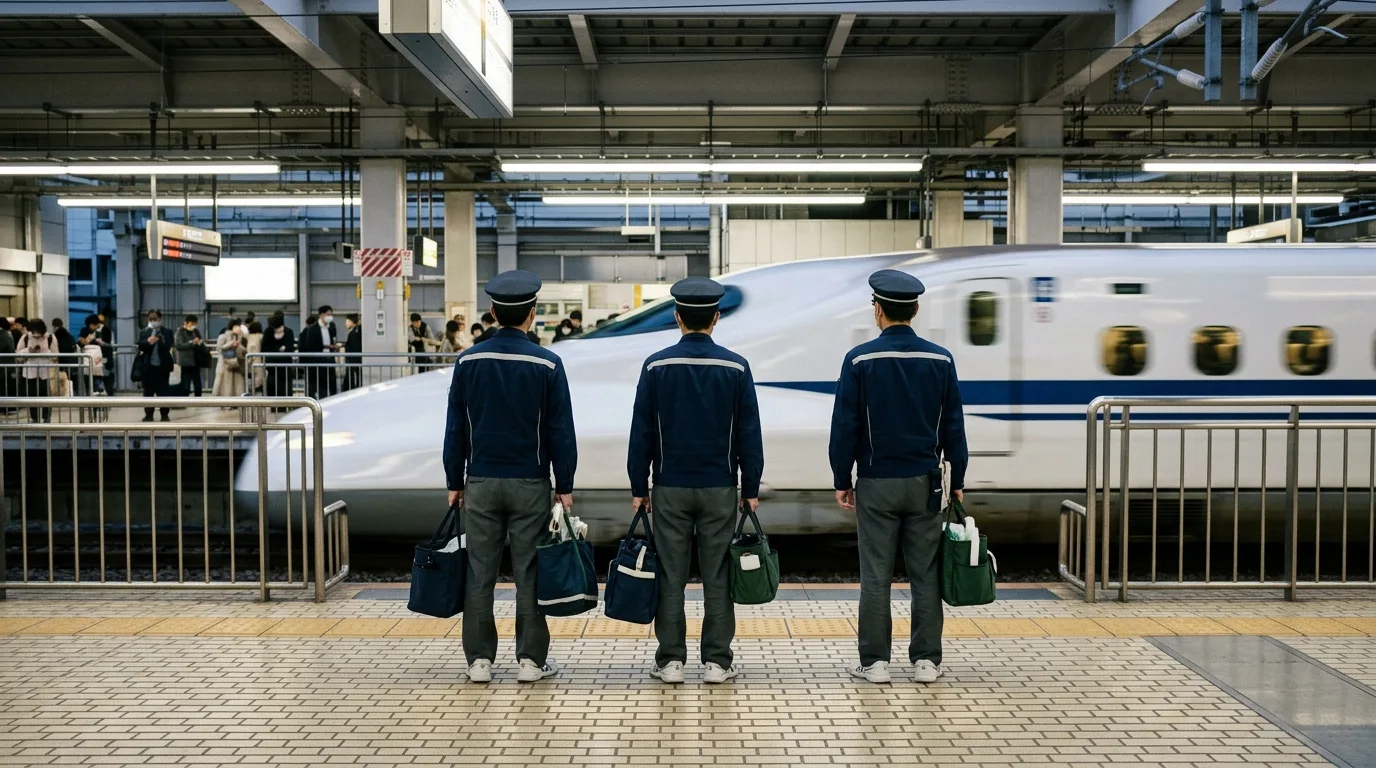
The growing closeness is visible in tourism and culture. Over 4.8 million visitors from six major ASEAN nations traveled to Japan in 2025, a tenfold increase from two decades ago. Filipino travelers contribute to this surge, drawn by Japan's unique blend of tradition and modernity.
In a 2026 ISEAS-Yusof Ishak Institute survey, Japan ranked as the most trusted international partner among ASEAN respondents for eight consecutive years. An overwhelming 65.6 percent expressed trust in Japan, citing its respect for international law and economic leadership. This goodwill creates a welcoming environment for Filipino professionals seeking work abroad.
Expanding Pathways for Filipino Workers
Japan's labor market increasingly relies on foreign talent due to its aging population. The Specified Skilled Worker visa program now provides structured pathways for Filipinos in nursing, construction, hospitality, and agriculture. Reforms to the Technical Intern Program offer better wage parity and clearer routes to long-term residency.
Japanese municipalities enforce strict integration guidelines to support foreign workers. This ensures that OFWs are not just laborers but valued members of their communities. The shift from temporary guest workers to integrated professionals marks a significant advancement in labor protection.
Infrastructure and Security: A Shared Future
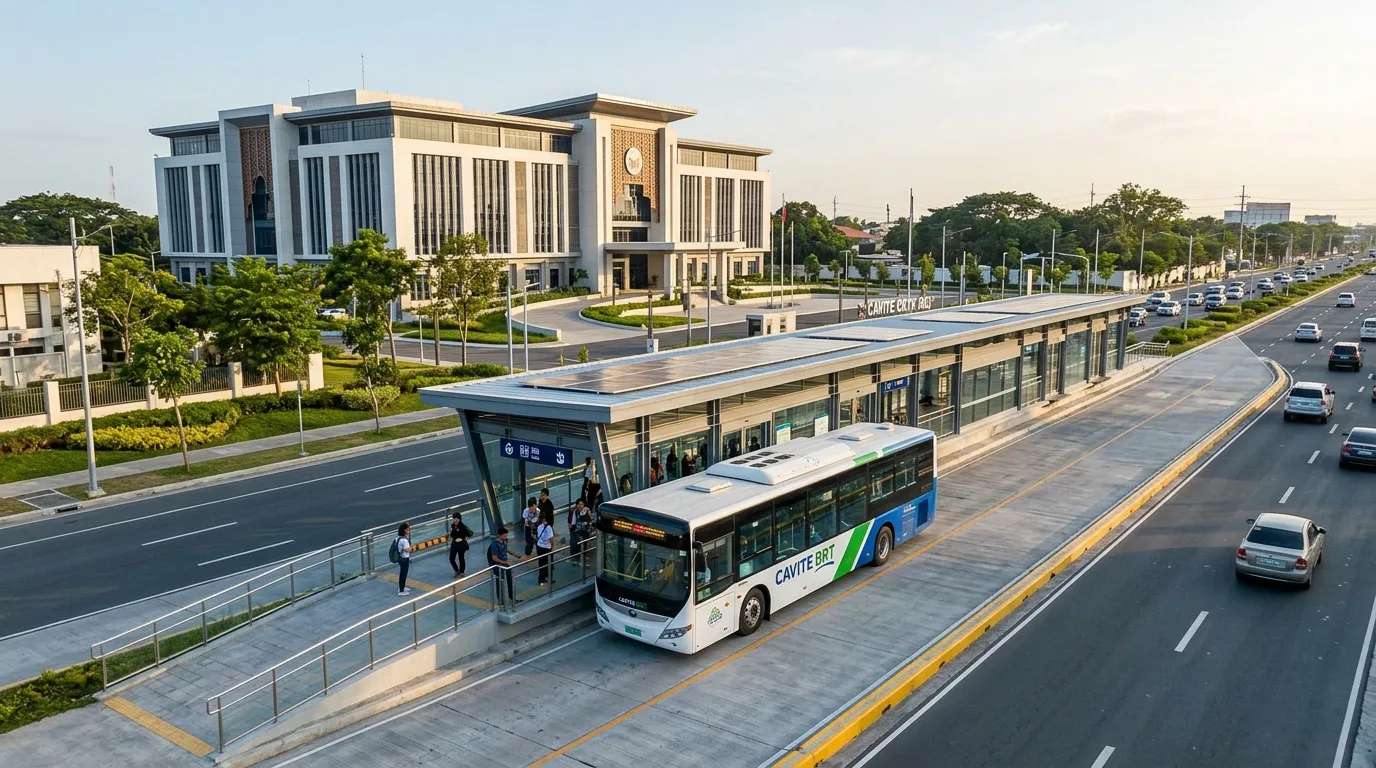
Japan remains the Philippines' top source of Official Development Assistance. Projects like the Metro Manila Subway and North-South Commuter Railway create thousands of local jobs. These infrastructure investments directly benefit Filipino engineers, construction workers, and transit operators.
The Reciprocal Access Agreement strengthens defense cooperation, ensuring regional stability. Japanese-funded Coast Guard vessels protect maritime interests where Filipino seafarers operate. This security framework safeguards the economic livelihoods of millions of workers across the archipelago.