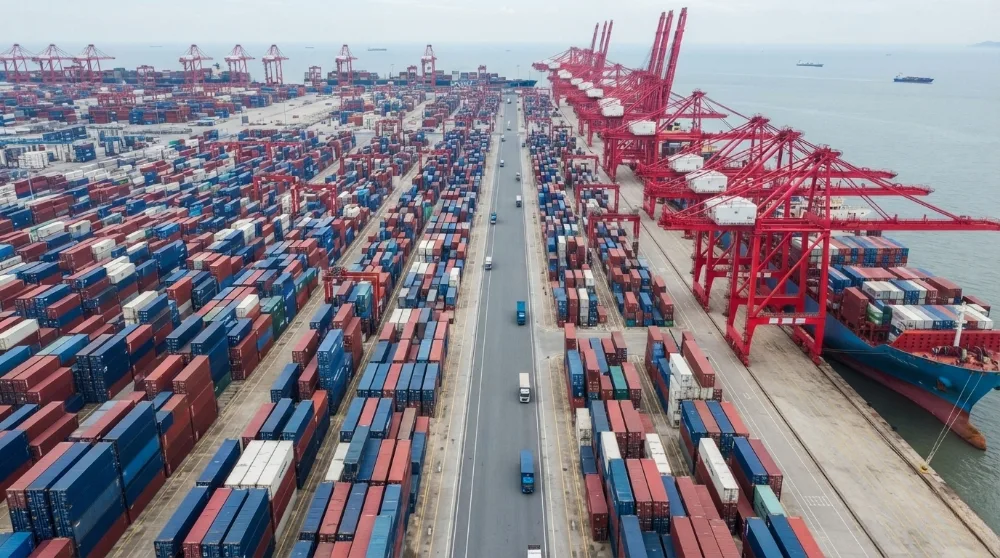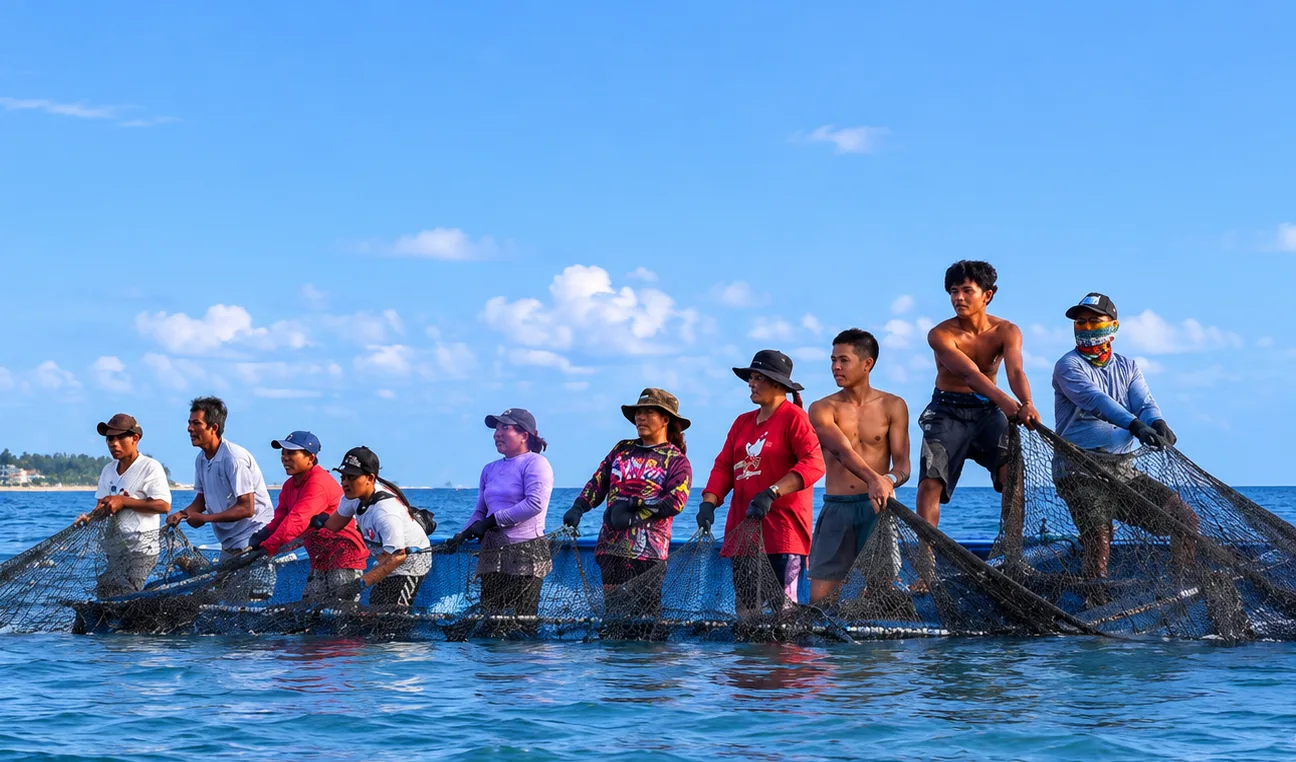
LEYTE — Highlighting the vulnerability of marine ecosystems to climate patterns, the Department of Agriculture’s Bureau of Fisheries and Aquatic Resources (DA-BFAR) has issued a advisory detailing the impacts of El Niño on local fishing grounds and coastal yields.
The bureau cautioned that rising sea surface temperatures, altered precipitation patterns, shifted wind directions, and changing ocean currents directly disrupt nutrient distribution and fish migration patterns across the country's marine corridors
.
Marine Ecosystem Disruptions And Regional Impacts
Because climatic factors affect marine habitats differently depending on geographic depth and water flow, BFAR noted that coastal communities and local fisherfolk are often the first to observe changes in daily catches.
Key marine disruptions monitored during El Niño events include:
Thermal Stress: Increased sea surface temperatures force pelagic fish species to migrate to deeper, cooler waters, altering traditional fishing routes.
Nutrient Displacement: Changes in ocean upwelling reduce plankton concentration, impacting feed availability for small coastal fish.
Water Quality Drops: Fluctuations in salinity and dissolved oxygen levels in shallow waters elevate the risk of localized fish kills and mortality incidents.
Early Reporting And Multi-Agency Advisory Protocols
BFAR urged local government units (LGUs), municipal fisheries and aquatic resource management councils (FARMCs), and coastal residents to closely monitor their fishing zones for unusual environmental indicators.
The agency emphasized that immediate reporting of fish mortalities, algal blooms, or abnormal catch declines to municipal agriculture offices or nearby BFAR regional centers is crucial for rapid response and mitigation planning.
To ensure coastal preparedness, fisherfolk and coastal barangays are advised to monitor official weather and oceanographic updates issued jointly by DOST-PAGASA and the DA-BFAR.