A Green Card Recommendation Recognizes Bohol's Conservation Efforts
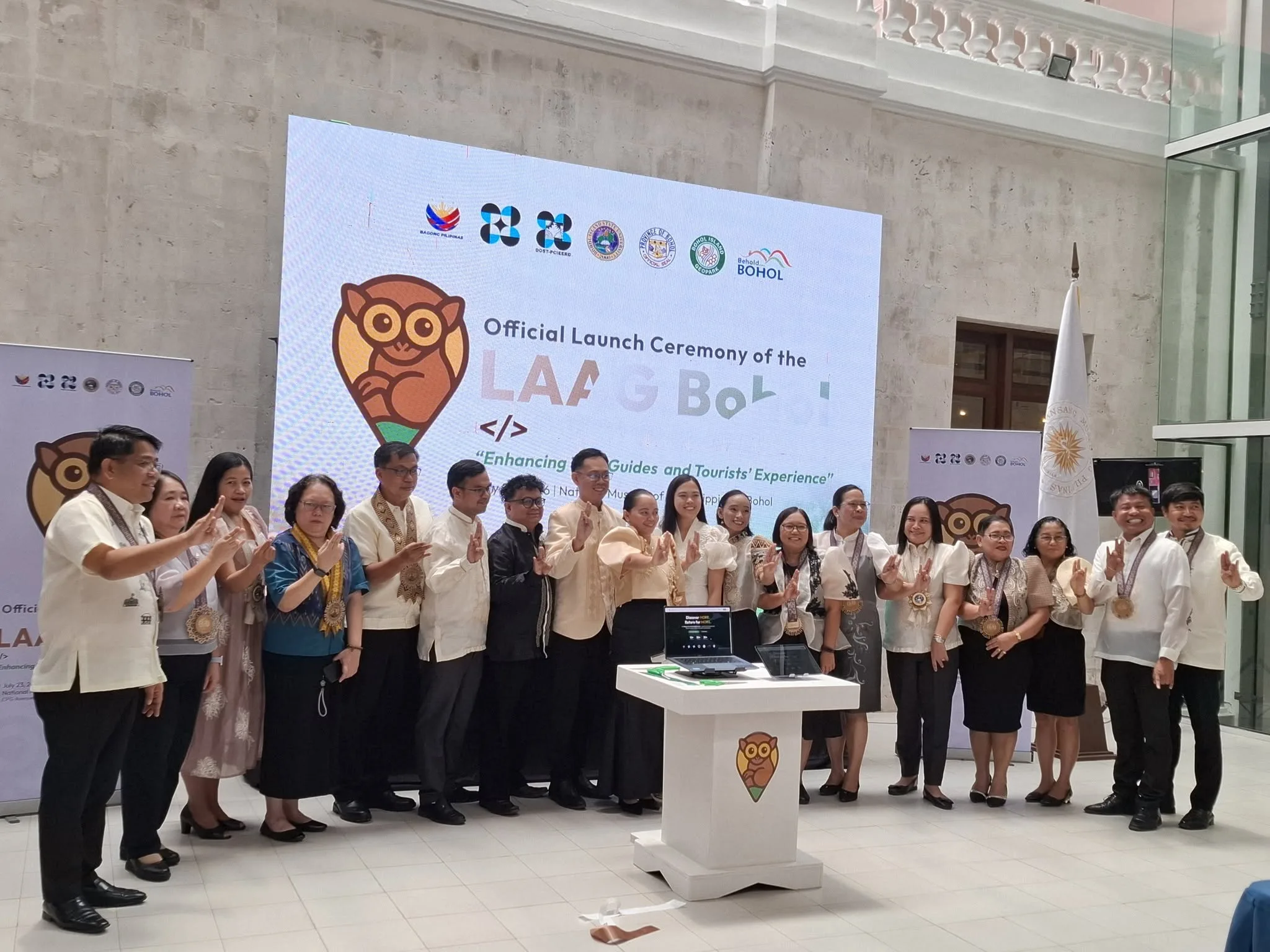
BOHOL - The Green Card recommendation followed Bohol Island UNESCO Global Geopark's first revalidation mission, conducted from August 3 to 7, 2026. The UNESCO Global Geoparks Council unanimously granted the recommendation during its 11th Session at UNESCO Headquarters in Paris, France, held from November 2 to 4, 2026. The outcome supports Bohol's continued designation for another four years. However, the Council's report on its work and decisions will still be presented to the UNESCO Executive Board for endorsement and adoption during the first half of 2027. The meeting was presided over by Council Chair Sophie Justice, with the Bohol Island Geopark team participating virtually under the leadership of Geopark Manager Joanne Pinat.
Protecting Geological Features, Biodiversity, and Culture
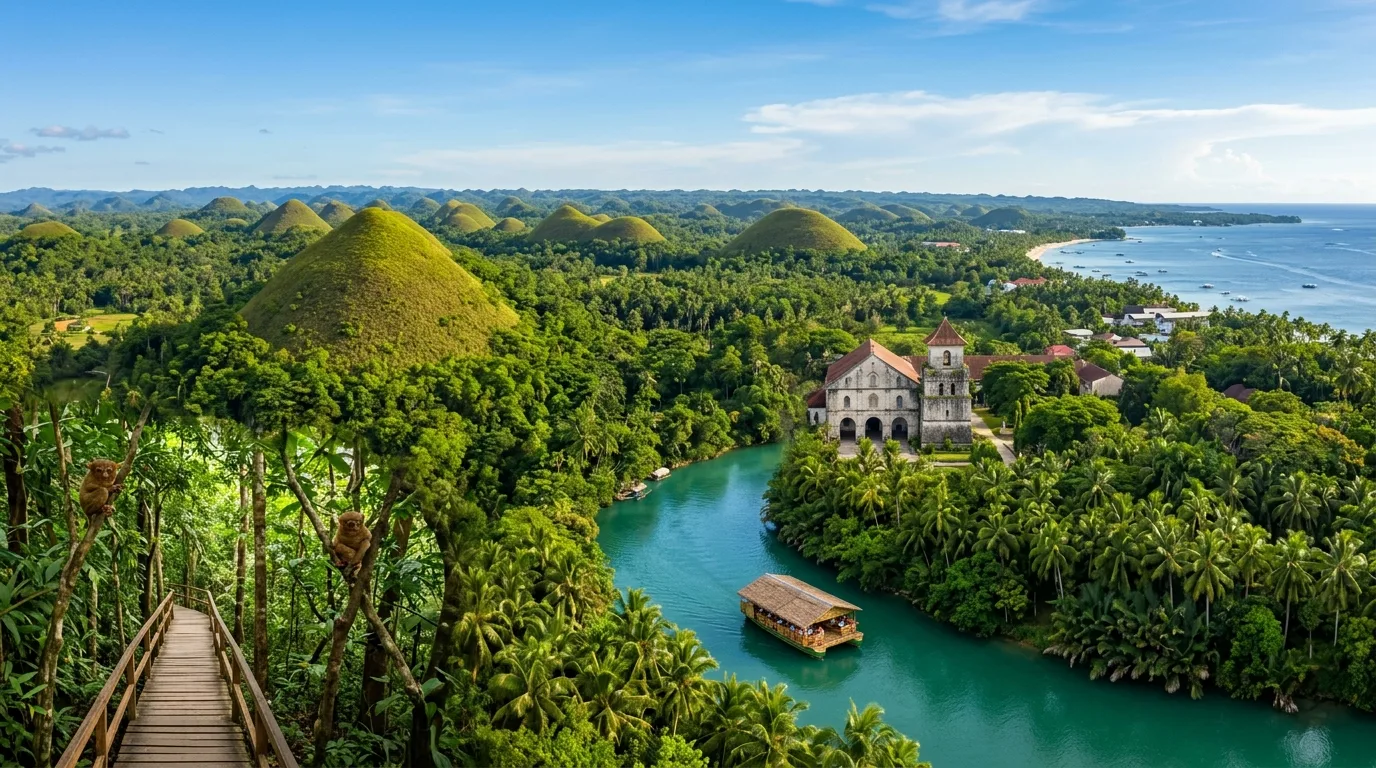
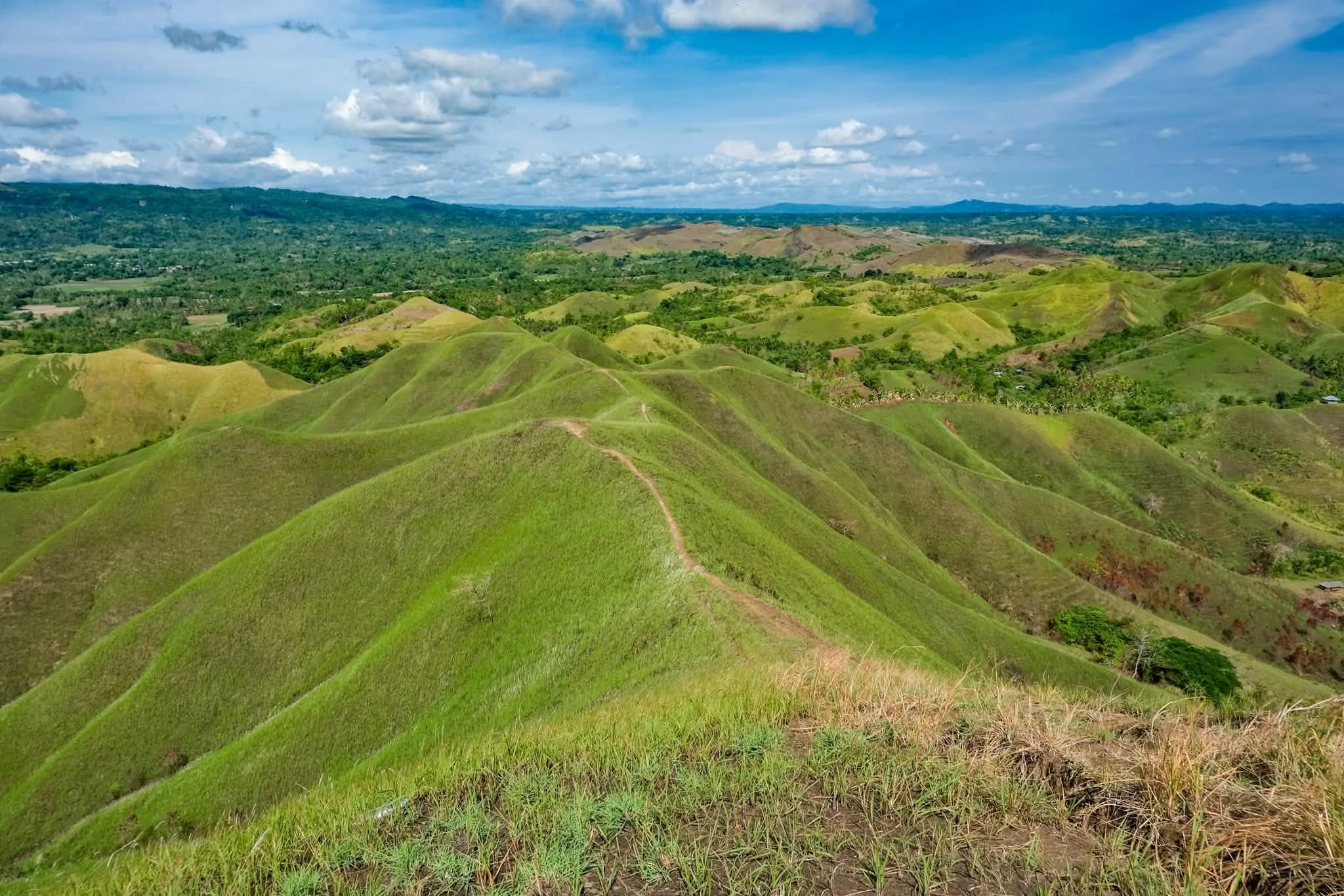
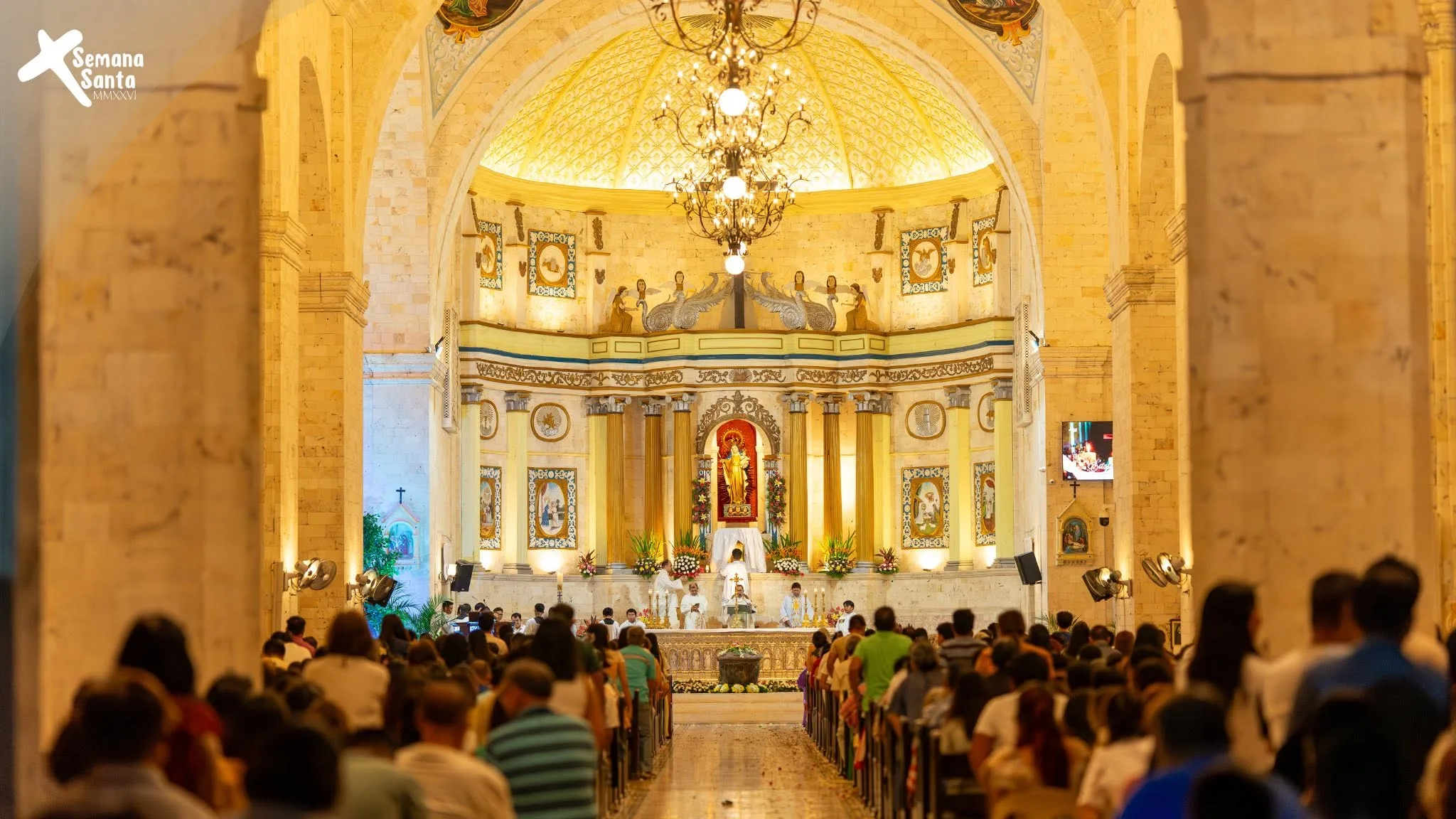
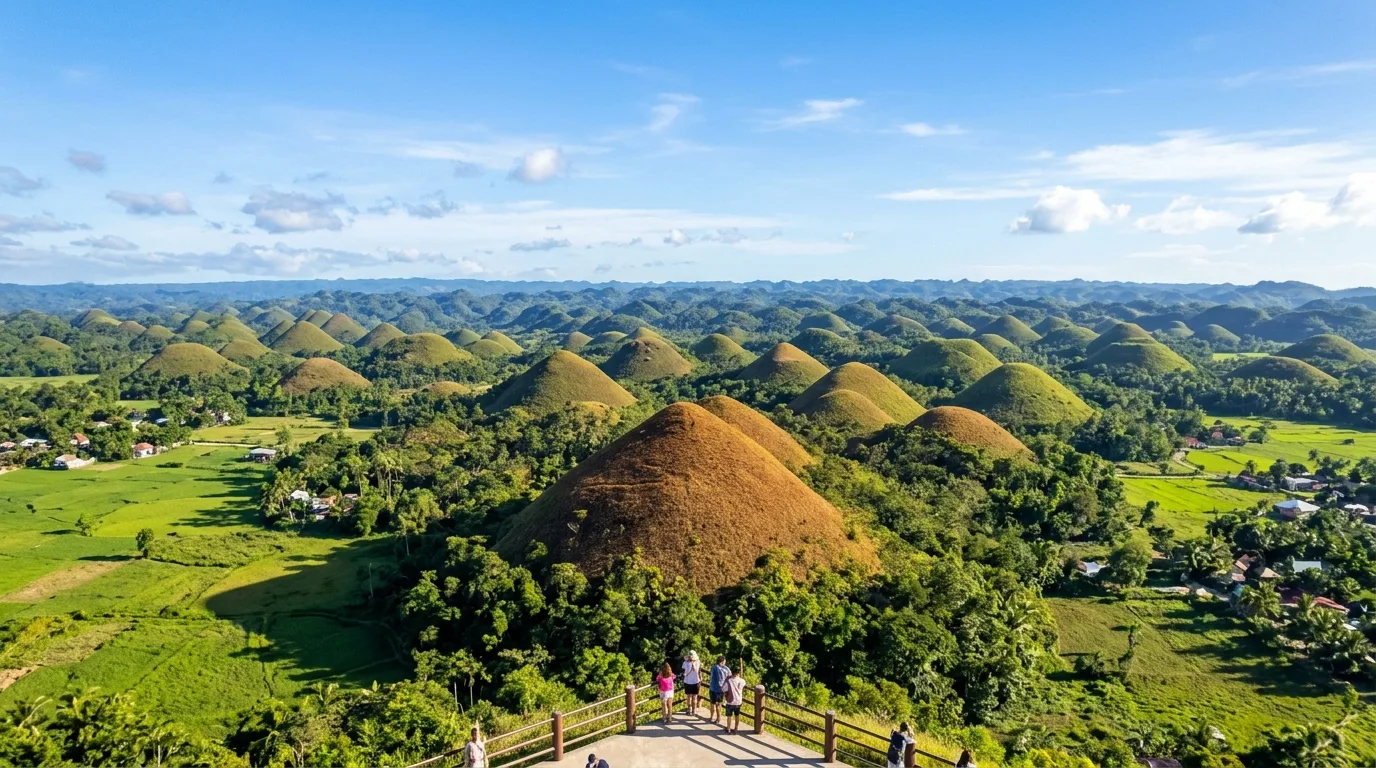
The recognition highlights the importance of preserving the different elements that make Bohol significant as a geopark. Its geological formations, natural habitats, wildlife, and cultural traditions contribute to the island's identity and value as a destination for learning and responsible travel. Maintaining this designation also involves more than protecting well-known attractions. It requires continued attention to environmental conservation, community participation, responsible tourism practices, and the sustainable use of natural resources. These efforts help ensure that Bohol's heritage remains meaningful not only to visitors but also to residents and future generations.
A Shared Responsibility Across Bohol's Communities
The continued journey of the geopark depends on the participation of local government units, community organizations, tourism stakeholders, educational institutions, businesses, and residents. Communities can contribute by protecting natural surroundings, supporting responsible tourism activities, preserving local traditions, and helping visitors understand the importance of the island's heritage. The Green Card recommendation provides renewed encouragement for these efforts while reminding stakeholders that international recognition comes with an ongoing responsibility. As Bohol looks toward the next four years, the challenge is to translate this milestone into sustained action that protects the island's natural and cultural wealth while creating opportunities for inclusive and sustainable development.