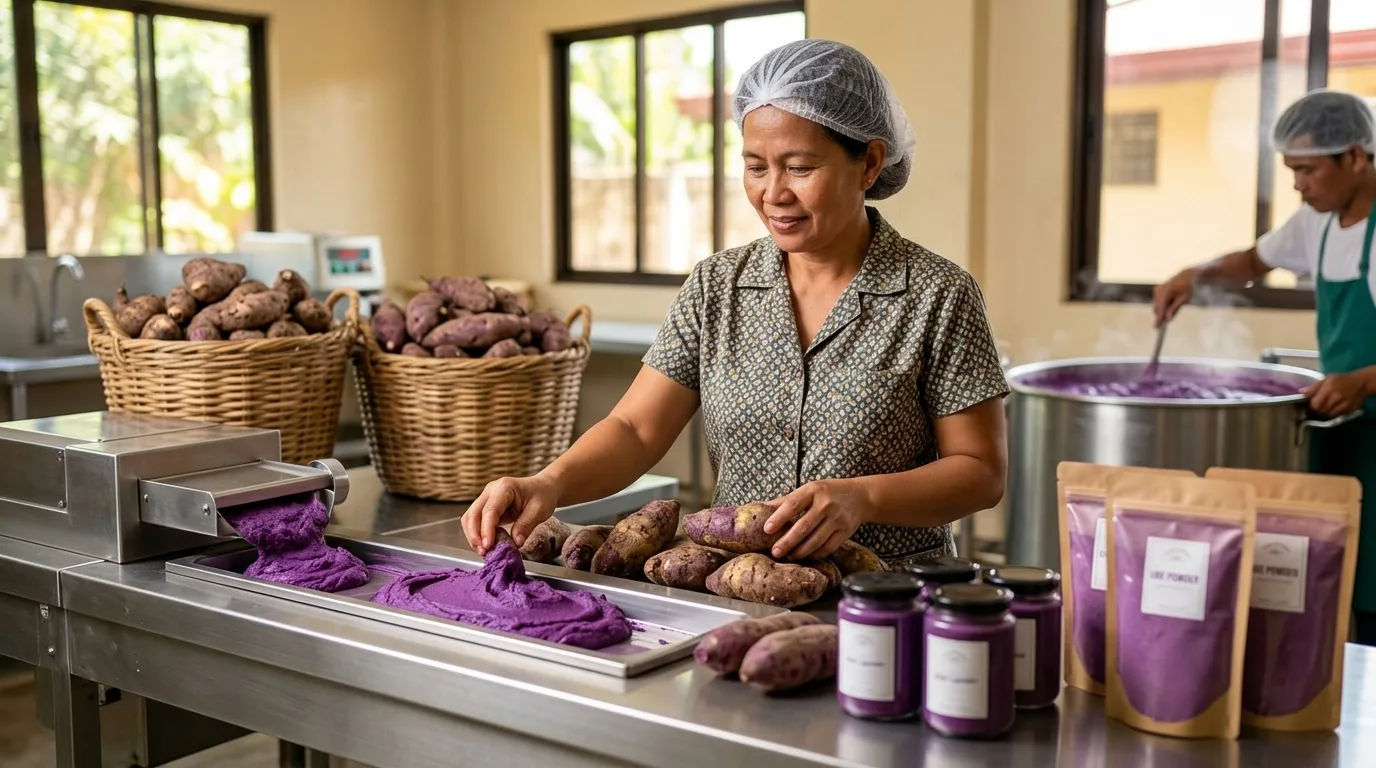
Bohol — A burgeoning global fascination with ube, the vibrant purple yam native to the Philippines, is igniting what some are calling a "purple gold rush." This growing international demand, highlighted recently by the South China Morning Post, signals a significant economic opportunity for the Philippines and its people, both domestically and abroad. As chefs and consumers worldwide increasingly embrace ube for its unique flavor and striking color, the unassuming root crop is poised to become a major export commodity, potentially reshaping agricultural landscapes and opening new avenues for prosperity.
Transforming a Traditional Staple into an International Culinary Sensation
The term "purple gold rush" encapsulates the escalating interest and potential for substantial economic gains from ube cultivation and processing. From gourmet desserts in New York to trendy lattes in London, ube is transcending its traditional role in Filipino cuisine to become a global culinary sensation. This heightened visibility translates into increased market value and demand, creating a ripple effect that could empower Filipino farmers, drive innovation in food processing, and generate employment across the supply chain.
Driving Value-Added Processing and Rural Poverty Alleviation
For the Philippines, this "purple gold rush" represents a tangible chance to bolster its agricultural sector, a cornerstone of the nation's economy. Increased ube production and export can lead to higher incomes for farmers, particularly those in rural areas, directly impacting poverty alleviation efforts. Beyond primary production, opportunities abound in value-added processing, such as ube powder, jams, ice cream, and other confectionery, which can command premium prices in international markets. This diversification not only strengthens the economy but also showcases Filipino culinary heritage on a global stage, fostering a sense of national pride.
Channeling Migrant Capital into Sustainable Agribusiness Ventures
For Filipinos, especially Overseas Filipino Workers (OFWs) looking to invest back home or explore new ventures, the ube boom presents a compelling prospect. OFWs with an entrepreneurial spirit might consider investing in ube farming, processing, or even establishing export businesses. It is crucial, however, to prioritize sustainable farming practices to ensure the long-term viability of this "gold rush." Understanding global market trends, quality standards, and efficient supply chain management will be key to capitalizing on this opportunity. Supporting local ube producers and promoting Filipino products internationally can contribute significantly to this purple revolution, ensuring that the benefits are widely shared among the Filipino community worldwide.