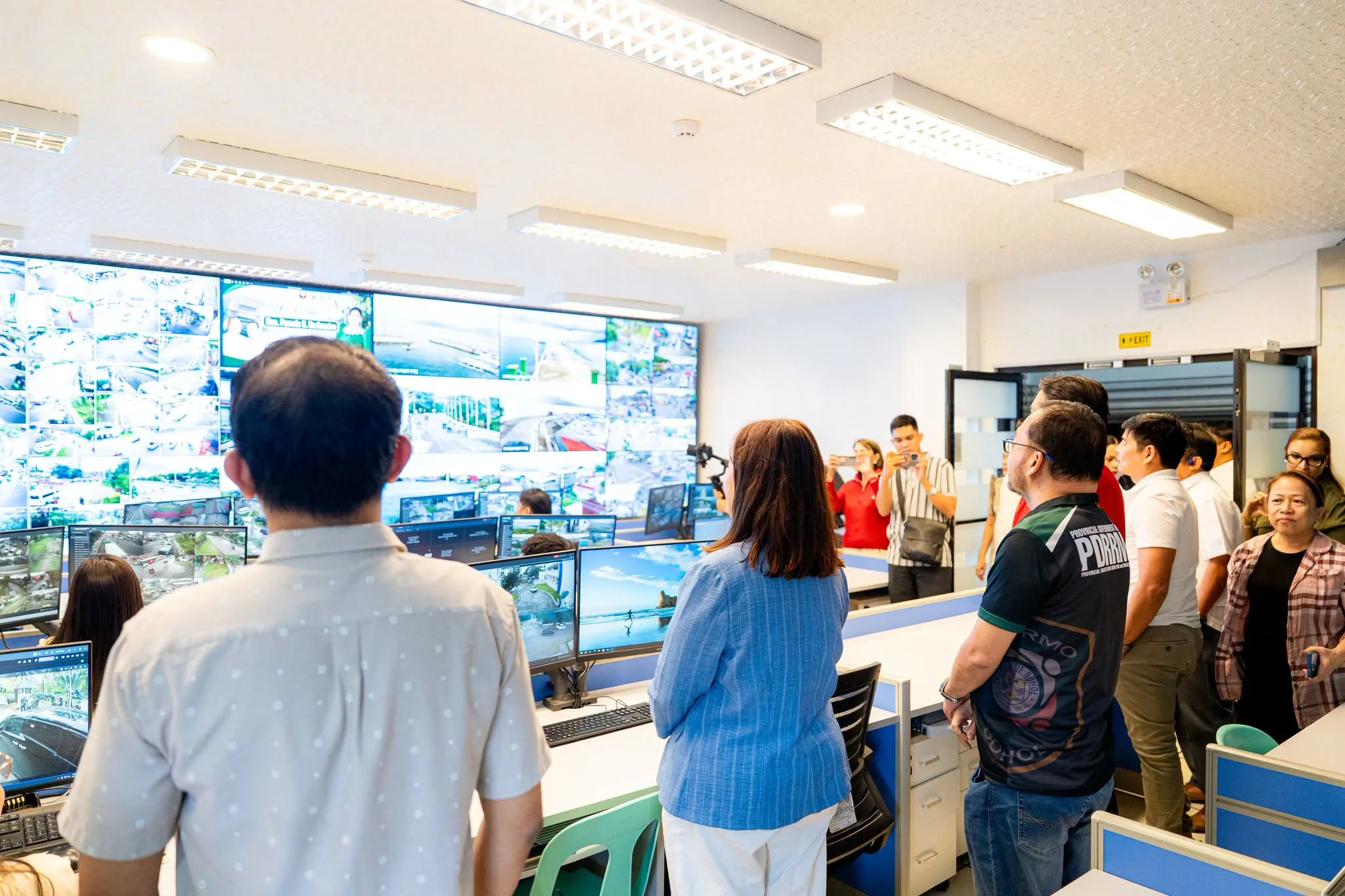
TAGBILARAN CITY, Bohol — The Provincial Government of Bohol welcomed Cebu Governor Pamela Baricuatro and her delegation to the Bohol PDRRMO Command Center on July 31, 2026, for a high‑level exchange on emergency preparedness. The visit spotlighted shared strategies that directly enhance the safety and desirability of communities in both provinces, a key factor for property buyers and investors seeking stable, well‑protected locations.
A Command Center Built for Rapid Response
PDRRMO Head Dr. Anthony Damalerio presented Bohol’s disaster response framework to the visiting Cebu officials. He detailed the operation of the Quick Response Team and the Incident Command Executive Courses designed for local chief executives. These programs ensure that every municipality has trained leaders capable of making swift, coordinated decisions during emergencies, reducing damage and recovery time.
The delegation toured the Unified Command Center, a multi‑agency hub that houses personnel from the Coast Guard, Bureau of Fire Protection, police, and the Philippine Army. This integrated approach eliminates communication delays and ensures that all emergency services operate from a single, synchronized platform. For property owners, the visible presence of such a center signals that their investments are protected by a professional, well‑coordinated safety network.
Specialized Assets for Island and Coastal Security
Cebu officials inspected Bohol’s fleet of disaster response vehicles, including a solar‑powered search, rescue, and retrieval unit, sea ambulances, and a mobile command center. These assets are specifically designed to reach isolated coastal and island communities quickly. The deployment capability reassures homeowners and resort developers that even remote properties can receive timely emergency assistance.
The presence of sea ambulances and inflatable rubber boats highlights the province’s commitment to addressing the unique geographic challenges of an island region. This infrastructure makes waterfront and beachfront properties more secure, mitigating risks that might otherwise deter potential buyers. Investors in resorts and residential developments can point to these government investments as a tangible safety advantage.
Sharing Knowledge to Build Safer Communities
The exchange embodied the spirit of the SugBohol Sisterhood Agreement, signed on the same day by the two governors. Beyond disaster response, this partnership aligns tourism, trade, and infrastructure, creating a unified regional approach to development. Safer, well‑governed communities naturally attract higher property values and sustained demand.
Both provinces have invested heavily in disaster resilience this year. Cebu recently upgraded its own PDRRMO facility, while Bohol continues to enhance its TaRSIER 117 emergency system. These parallel efforts create a corridor of security across Central Visayas, giving homebuyers confidence that their families and assets are protected. As the two provinces align their protocols, the entire region becomes a more attractive destination for long‑term investment.
A Framework for Resilient Real Estate Growth
The SugBohol partnership directly supports Bohol’s Strategic Governance Roadmap and its UNESCO Global Geopark sustainable development framework. These commitments demonstrate that the province prioritizes long‑term planning and environmental stewardship, qualities that resonate strongly with today’s discerning property buyers. A province that invests in resilience is one that safeguards its future.
For the real estate sector, the message is clear: Bohol and Cebu are actively building the infrastructure needed to protect lives and property. This coordinated effort reduces risk, lowers insurance concerns, and enhances the overall livability of the region. As the partnership deepens, both provinces are poised to see sustained interest from families, retirees, and investors seeking secure, resilient communities.