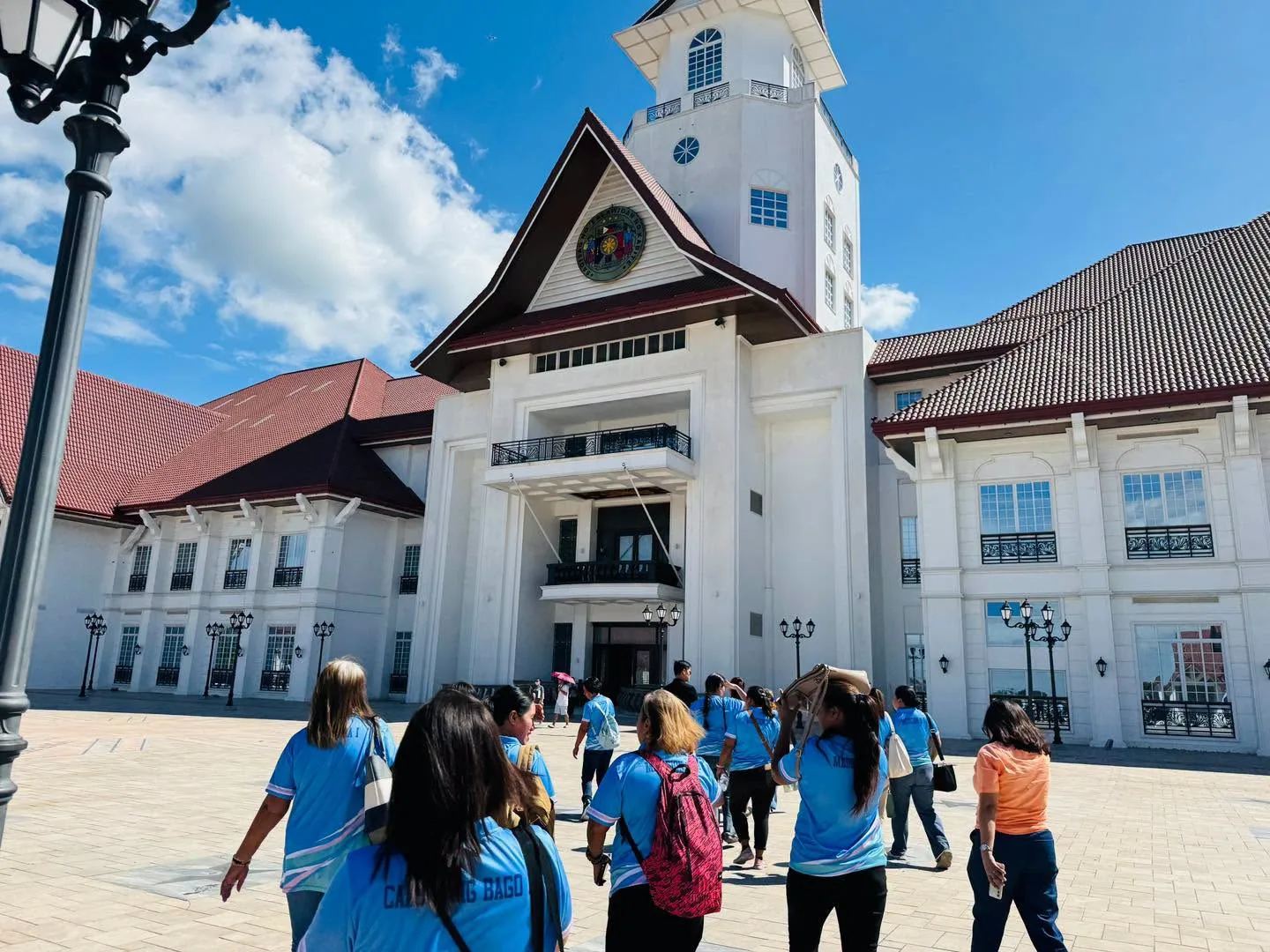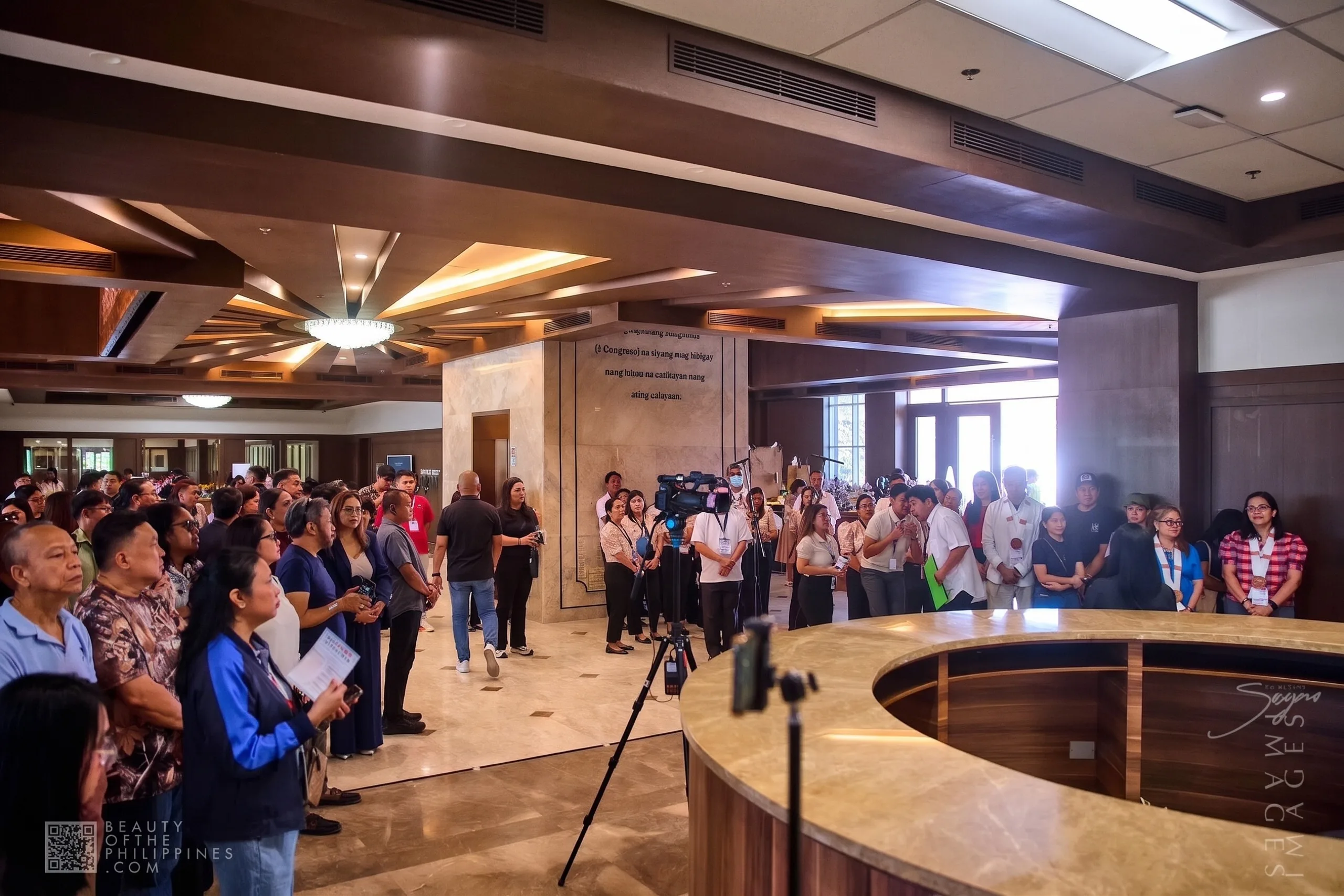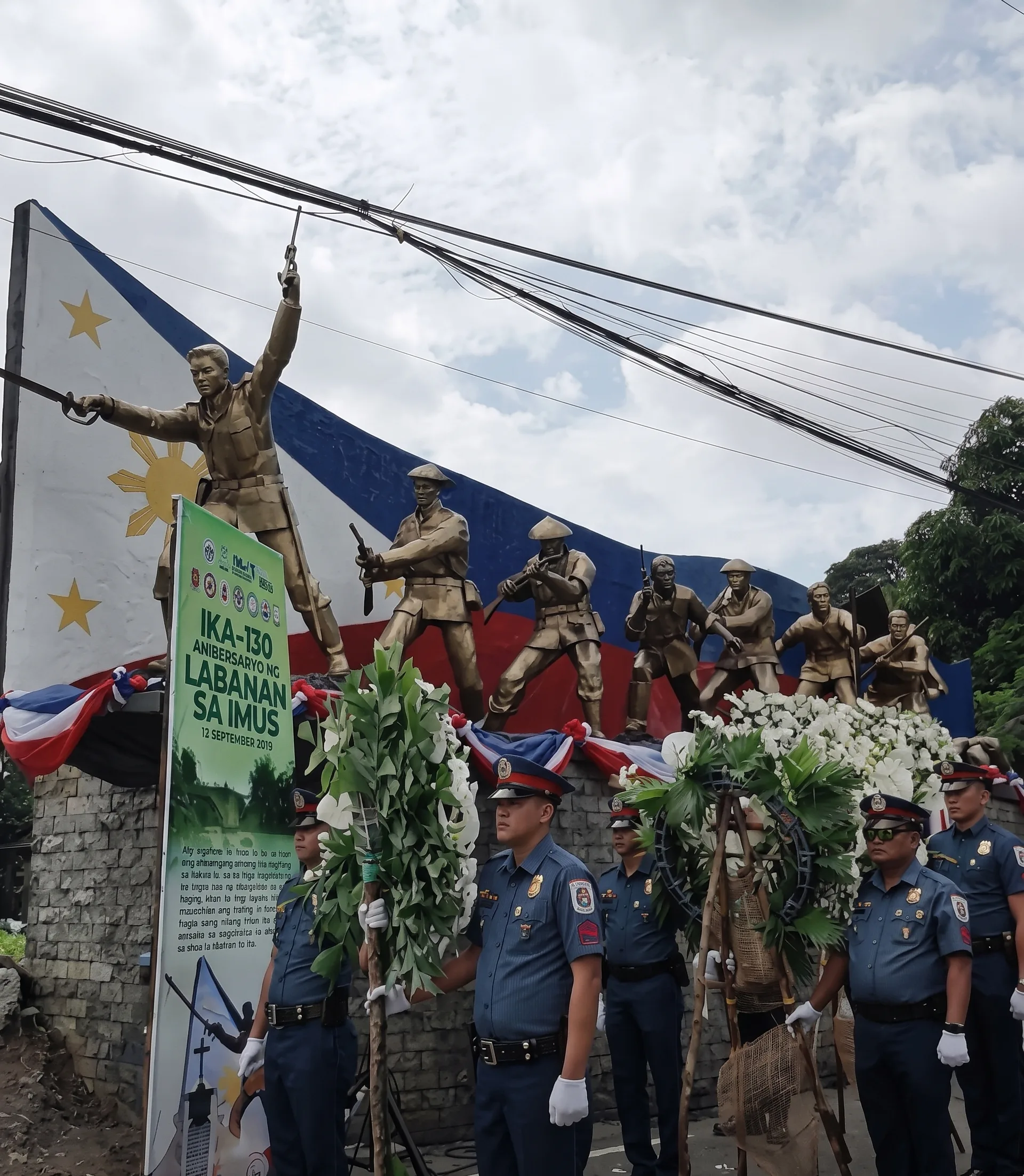
IMUS CITY, CAVITE - Imus marked a pivotal moment in Philippine history on September 3, 2026, as city officials, heritage advocates, and residents gathered to commemorate the 130th anniversary of the Battle of Imus—a defining victory that proved Filipino revolutionaries could defeat a better-equipped Spanish force and sparked the spread of the revolution across Cavite.
The Strategy That Turned the Tide
The Battle of Imus took place from August 31 to September 3, 1896, during the early stages of the Revolution, when Filipino forces were poorly armed and struggling against better-equipped Spanish troops . After an initial attack on the Imus hacienda failed, Colonel José Tagle initiated another attack that eventually captured the hacienda, including modern firearms, a mounted cannon, and ammunition .
The revolutionaries then used a brilliant tactical maneuver at the Isabel II Bridge, a two-span stone arch bridge completed in 1857 that connected Imus to Bacoor . Filipino forces dismantled the northern span of the bridge and hid in nearby trenches. When Spanish soldiers under General Ernesto de Aguirre marched across, they were trapped—unable to see the cut until they had already traversed part of the span . The ambush forced the Spanish troops to retreat, marking the Filipino revolutionaries' first major tactical triumph.
A Victory That Changed the Course of the Revolution
The success had consequences far beyond the battlefield. The Filipino revolutionaries captured 70 Remington rifles, assorted battle equipment, and General Aguirre's ceremonial saber, which Emilio Aguinaldo famously used in subsequent revolutionary campaigns . The victory strengthened the revolutionary movement in Cavite, where the uprising subsequently spread to other towns. Imus eventually became a revolutionary center, while historian Onofre Corpuz described Cavite as the Revolution's "most successful front" .
Former Senator Richard Gordon, who has long championed the battle's recognition, called it "the defining battle of the Revolution" . He noted that until this storied battle, the revolution had been mainly a series of setbacks and retreats. "To both the Filipino and Spanish forces, the rebellion had become a revolution," Gordon said . Gordon has renewed his call for the Battle of Imus to be officially recognized as the First Victory of the Philippine Revolution, questioning, "Why are we so doubtful about naming the first victory of the Revolution?"
Why This Battle Deserves Greater Recognition
Gordon lamented that very few people know about this victorious battle because Filipinos have a tendency to dwell on defeat and remember the martyred and the fallen . "They know more about Bataan and Corregidor, places of defeat and surrender," he said . The senator attributed this selective memory to the early American occupation, when "it was forbidden even to fly the Filipino flag" and the Americans did not want Aguinaldo and other revolutionary leaders "to become living heroes to our people" .
This commemoration aligns with the observations made by local officials and leaders like Mayor Alex L. Advincula, former Senator Dick Gordon, and Tourism Officer Paeng Alarcon, who emphasized that remembering this history is essential to instilling patriotism and honoring the deep sacrifices made for the freedom enjoyed today. Gordon's message, delivered during the 130th commemoration, was direct: "Dapat malaman ng kabataan na may mga Pilipinong nanalo kahit wala silang sapat na armas at wala silang makapangyarihang kakampi" (The youth should know that there were Filipinos who won even without sufficient arms and without powerful allies).
The Moniker "Haligue" and Imus's Revolutionary Legacy
This crucial victory cemented Imus's reputation as a "Haligue" (pillar or stronghold), serving as a core foundation for the revolution in Cavite province. The Isabel II Bridge, where the revolutionaries executed their strategic victory, still stands today as a testament to that triumph, featuring a monument commemorating the battle and a memorial marker to José Tagle . Tagle, a municipal captain who led the Imus rebels as head of the Katipunan chapter in Imus, played a significant role in the opening battle of the Philippine Revolution in Cavite and was appointed by Aguinaldo as Municipal Captain of Imus in recognition of his contribution .
The anniversary should encourage Filipinos to revisit the victories of the Revolution and the people who made them possible, reinforcing that the nation's story is not only one of sacrifice but also of triumph and vindication .