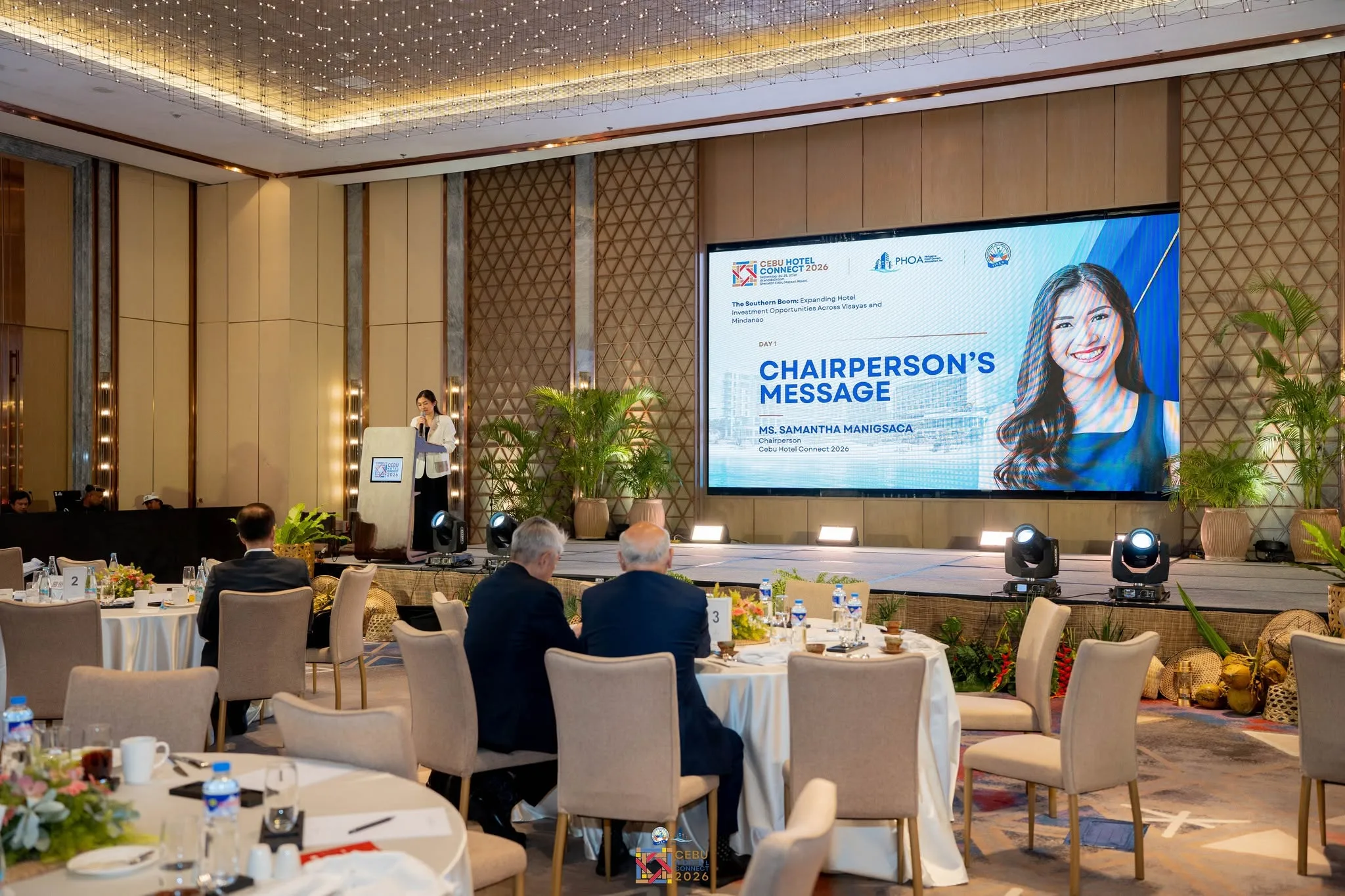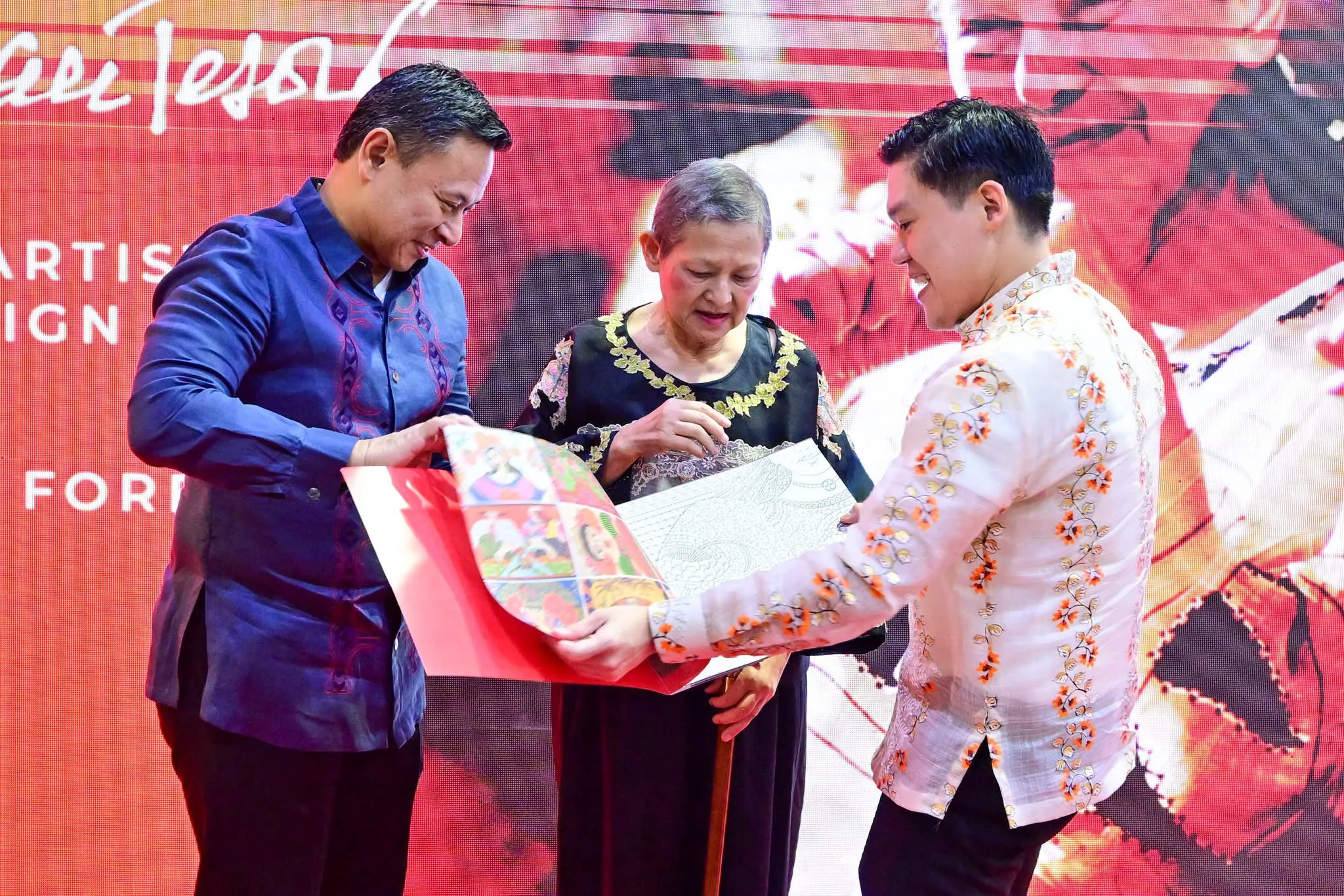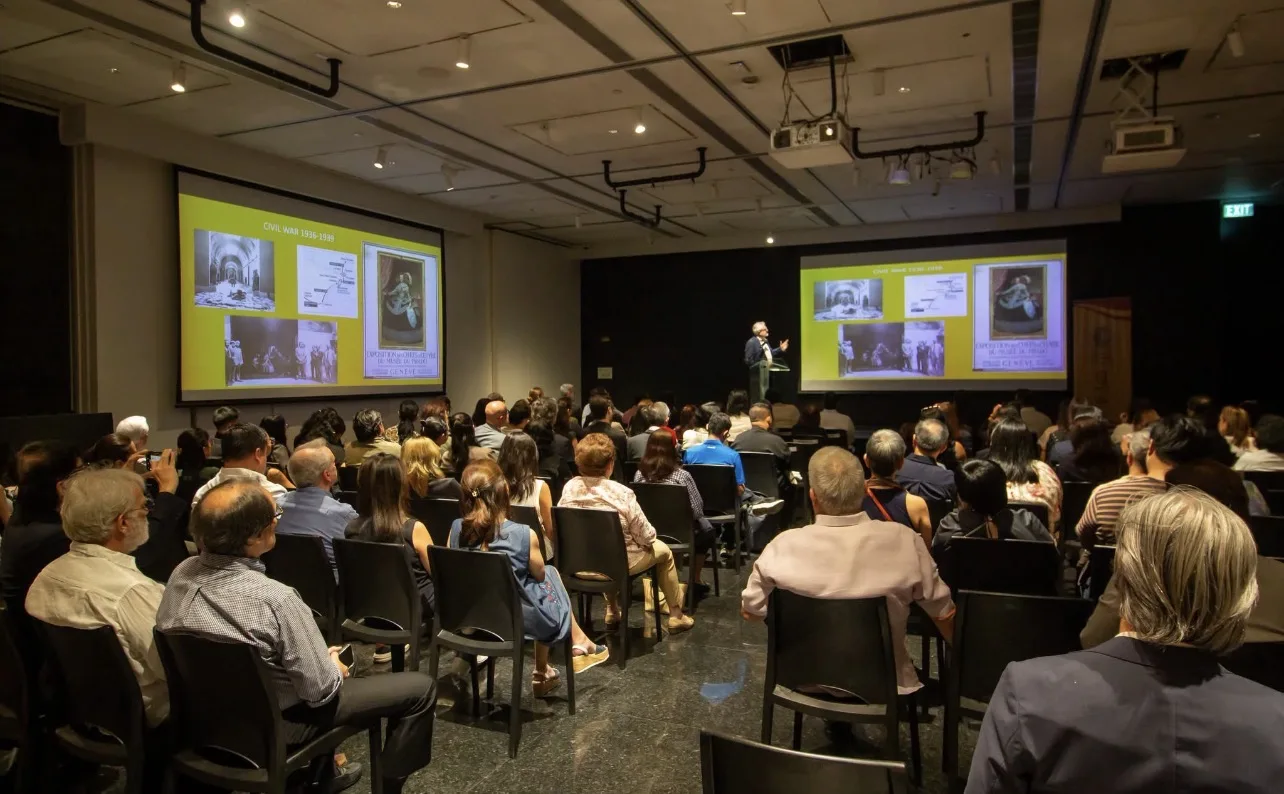
MAKATI CITY — The Ayala Museum welcomed nearly 200 guests for a free lecture on November 4, 2026, featuring Miguel Falomir Faus, Director of the Museo Nacional del Prado. The event, titled “The Prado: Past, Present, and Future,” was organized in collaboration with the Embassy of Spain in Manila and the National Museum of the Philippines. Jorell M. Legaspi of the Ayala Foundation and Jeremy Barns of the National Museum delivered welcoming remarks. Paula Roure-Linhoff from the Embassy of Spain formally introduced the distinguished speaker. The lecture served as a platform to deepen cultural ties between Spain and the Philippines through the shared language of art.
A Landmark Exhibition on the Horizon
During his presentation, Director Falomir revealed a historic announcement that resonated deeply with the Makati audience. The Prado is preparing a two-part exhibition dedicated to nineteenth-century Filipino artists, precisely slated to open in November 2027 and run through 2028. Featuring over 70 Filipino works, this exhibition will mark the first time in history that masterpieces by Filipino masters will be displayed alongside legendary European painters such as Rubens, Velázquez, and Goya. This curatorial decision represents a significant shift in how Philippine artistic contributions are recognized within the global canon. It also builds upon the Prado’s existing collection, which already includes Juan Luna’s “Death of Cleopatra” and works by Esteban Villanueva.
A Conversation Beyond the Canvas
The afternoon concluded with an open forum where attendees engaged directly with Director Falomir on a wide range of topics. Guests inquired about the rationale behind the upcoming exhibition, asking “Why now?” and exploring the broader implications for Filipino identity. The discussion also touched on contemporary issues, including the role of artificial intelligence in art, trends in museum visitorship, and the complex question of restitution. These conversations underscored the lecture’s relevance beyond historical appreciation, connecting the Prado’s legacy to present-day debates. For Makati, hosting such a dialogue reinforces its role as a city where international cultural exchange and critical discourse thrive.