


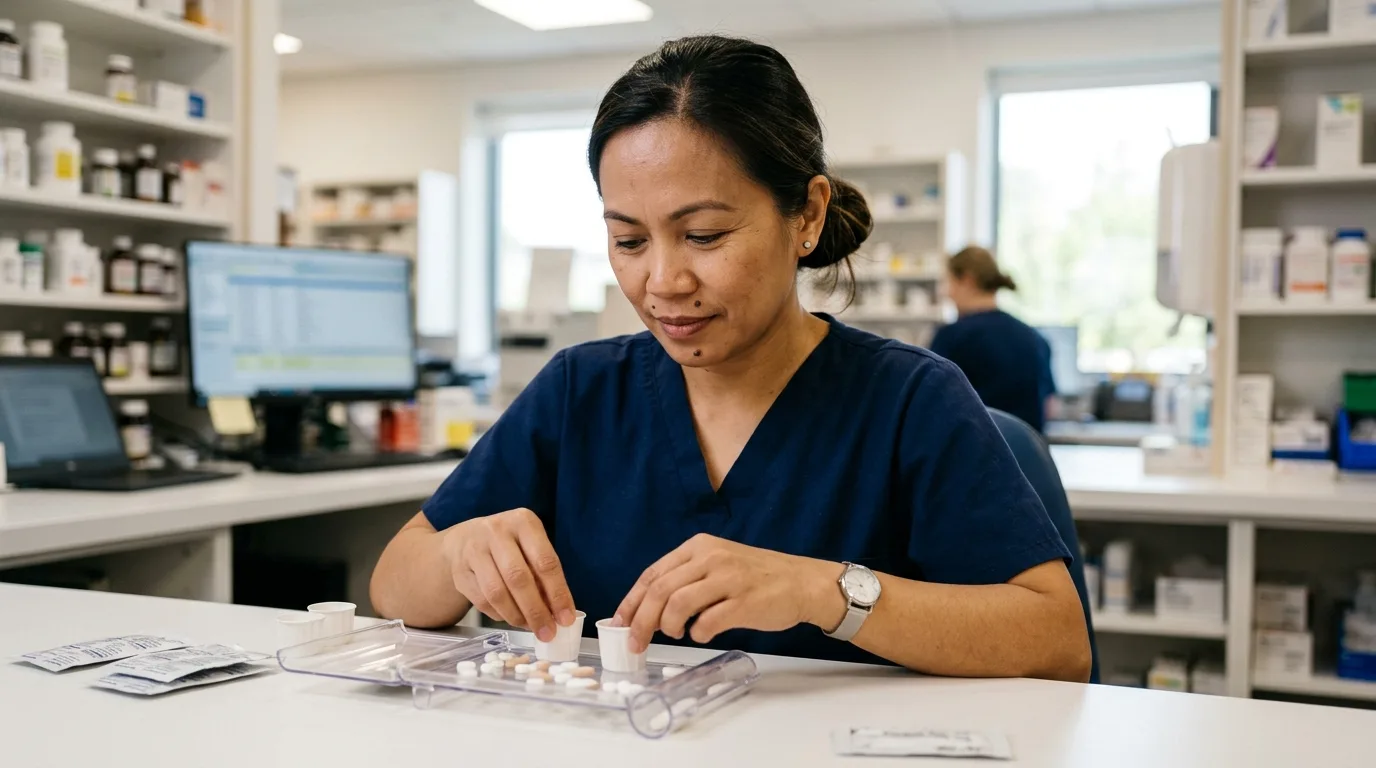
PHILIPPINES — Ireland's pharmaceutical and medical technology sector has grown dramatically, with employment rising 60 percent between 2019 and 2025. This expansion has created significant opportunities for skilled Filipino workers, particularly in healthcare and technical fields.
A Surging Sector Creates Demand
New data from Ireland's Central Statistics Office show total employment in the sector climbed from 60,537 in 2019 to 96,848 in 2025, an increase of over 36,000 jobs. The wage bill nearly doubled, reaching €7.9 billion. These figures underscore the sector's importance to Ireland's economy and its growing need for international talent.
The growth is not confined to one region. Workers in these sectors live in every county in Ireland, with the highest concentrations in Cork, Dublin, and Galway. This geographic spread means opportunities exist across the country, not just in major cities.
In-Demand Roles for Filipino Professionals
Ireland faces a structural nursing shortage, with thousands of unfilled positions in both public and private healthcare. Health and social work has been Ireland's largest employment-permit sector for three consecutive years, with over 5,100 permits issued in the first half of 2026 alone. Filipino nurses are well-positioned to fill these gaps.
The pharmaceutical and medical technology sector also needs pharmaceutical technicians, process engineers, quality control specialists, and chemists. Pharmaceutical technicians were recently added to Ireland's General Employment Permit list, opening a new pathway for Filipino workers. Skilled trades in construction and transport are also recruiting internationally.
Competitive Salaries and Remittance Potential
Salaries in Ireland are attractive compared to many other destinations. Public-sector staff nurses start at approximately €34,000 to €37,000 annually, progressing to €45,000 to €53,000 or more with experience. Shift premiums for nights, Sundays, and holidays can increase take-home pay by 15 to 20 percent.
Pharmaceutical technicians earn between €33,000 and €36,000, while analytical chemists can earn around €55,000. Senior roles command higher figures. These earnings allow Filipino workers to support their families while building savings for the future.
Navigating Visa and Registration Pathways
For nurses, the primary route is registration with the Nursing and Midwifery Board of Ireland. After receiving a decision letter, many overseas nurses complete a compensation measure, either an Aptitude Test or an Adaptation Period. They enter Ireland under the Atypical Working Scheme before applying for a full work permit.
Other roles may qualify for the Critical Skills Employment Permit or the General Employment Permit. The Critical Skills permit targets highly skilled roles in high demand, while the General permit covers a wider range of occupations. Employers typically assist with the application process.
Challenges and Important Considerations
The Philippines does not currently have a bilateral labor agreement with Ireland, meaning legal protections are less robust than in countries with such agreements. Past issues of underpayment and discrimination have been noted. Workers must also beware of illegal recruiters; arrests have been made for fraudulent caregiving job offers.
The registration process can take 9 to 18 months for nurses, not the 12 to 16 weeks often cited. Patience and careful planning are essential.
