


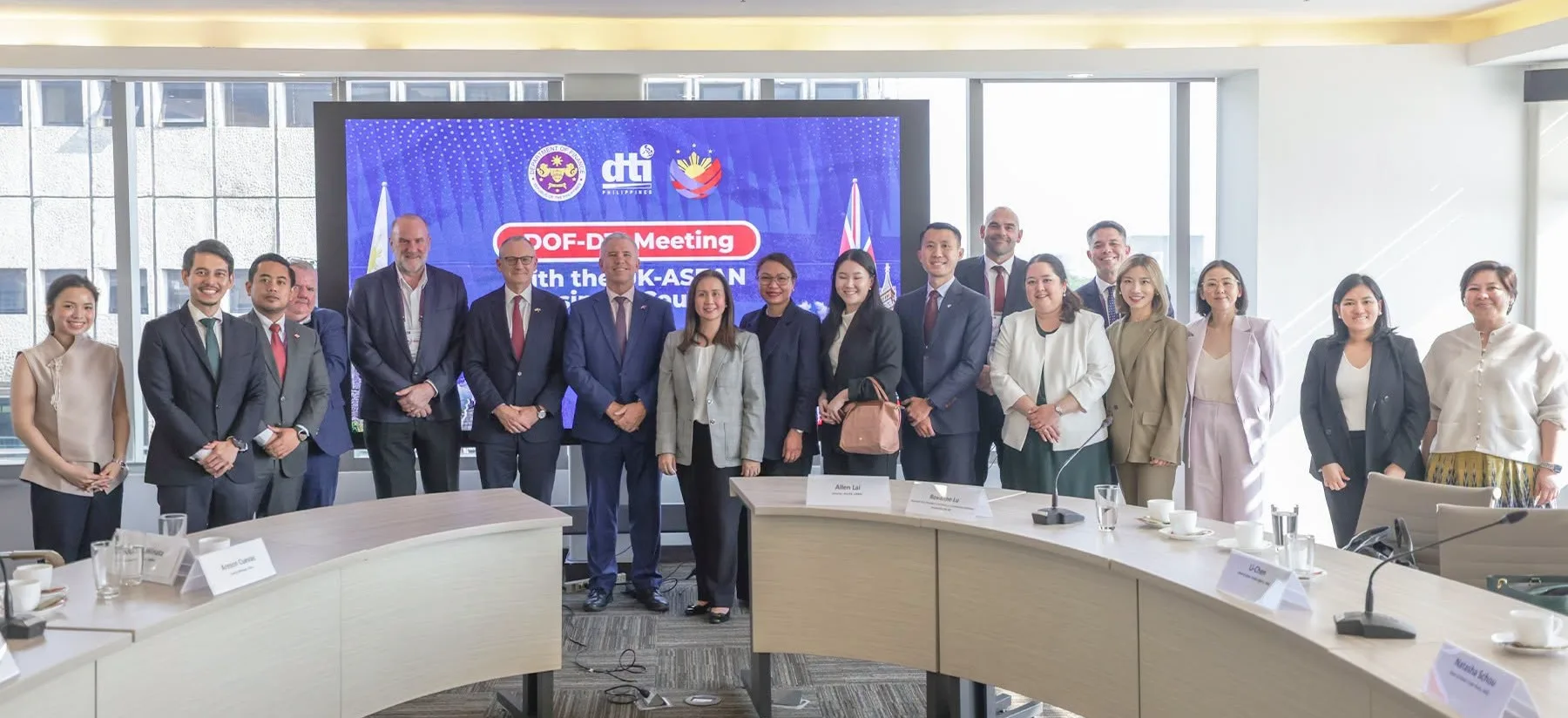
PHILIPPINES — The Philippine Government and the UK-ASEAN Business Council have opened talks on stronger partnerships in education, training, and workforce development. The initiative aims to equip Filipinos with skills for emerging industries and create more quality jobs locally.
A Strategic Roundtable for Workforce Growth
Government Corporations and Investments Group Undersecretary Ma. Angela E. Ignacio led the Philippine delegation during the September 21, 2026 roundtable. She highlighted the country's growing pool of skilled workers and its potential to attract investment in advanced industries. Her message positioned the Philippines as a ready destination for high-value enterprise.
Department of Trade and Industry Assistant Secretary May Niña Celynne P. Layug joined the meeting. The UKABC delegation was led by Chairman Ian Gibbons OBE, with representatives from Revolut, Wise, ACCA, Pearson, HSBC, OCS Facility Services, and Prudential Life UK. Their presence signaled serious private-sector interest.
Addressing Skills Gaps Through Industry Alignment
Discussions centered on bridging the gap between education and industry requirements. Priority sectors included semiconductor manufacturing, engineering, digital skills, and emerging technologies. Apprenticeships and internships were identified as key tools to prepare Filipinos for the modern workforce.
The partnership could give local workers access to globally recognized certifications through organizations like ACCA and Pearson. These credentials boost employability both domestically and overseas. For businesses, the collaboration promises a steady pipeline of qualified talent.
What This Means for Overseas Filipino Workers
For OFWs, the initiative offers concrete benefits. Financial inclusion efforts involving Wise, Revolut, and HSBC could lower cross-border transfer fees and improve remittance channels. These measures directly affect the take-home earnings of millions of Filipino workers abroad.
More importantly, expanding advanced industries at home creates viable pathways for return. Higher-paying engineering, digital, and manufacturing roles could entice OFWs to reintegrate into the local economy. Globally aligned training also eases the accreditation of Filipino credentials abroad.
Economic Diversification and Investment Appeal
The partnership supports the Philippines' shift toward higher-value industries. Moving beyond basic outsourcing to semiconductor production, fintech, and digital services strengthens economic resilience. A future-ready workforce makes the country more attractive to UK and European investors.
Infrastructure, digitalization, and financial inclusion formed part of the broader discussions. Blended finance and public-private partnerships were floated as concrete mechanisms to modernize systems. These investments could raise productivity and expand access to capital for local enterprises.
A Shared Vision for Quality Jobs
Undersecretary Ignacio described the opportunities as concrete pathways to expand industries, create quality jobs, and equip Filipinos with future-ready skills. The UKABC expressed eagerness for deeper engagement with the DTI and DOF. Both sides see trade and investment collaboration as mutually beneficial.
The initiative reflects a growing recognition that workforce development is central to economic competitiveness. By aligning training with real industry demand, the Philippines can protect workers from automation-driven displacement. The partnership marks a forward-looking step toward inclusive growth.
