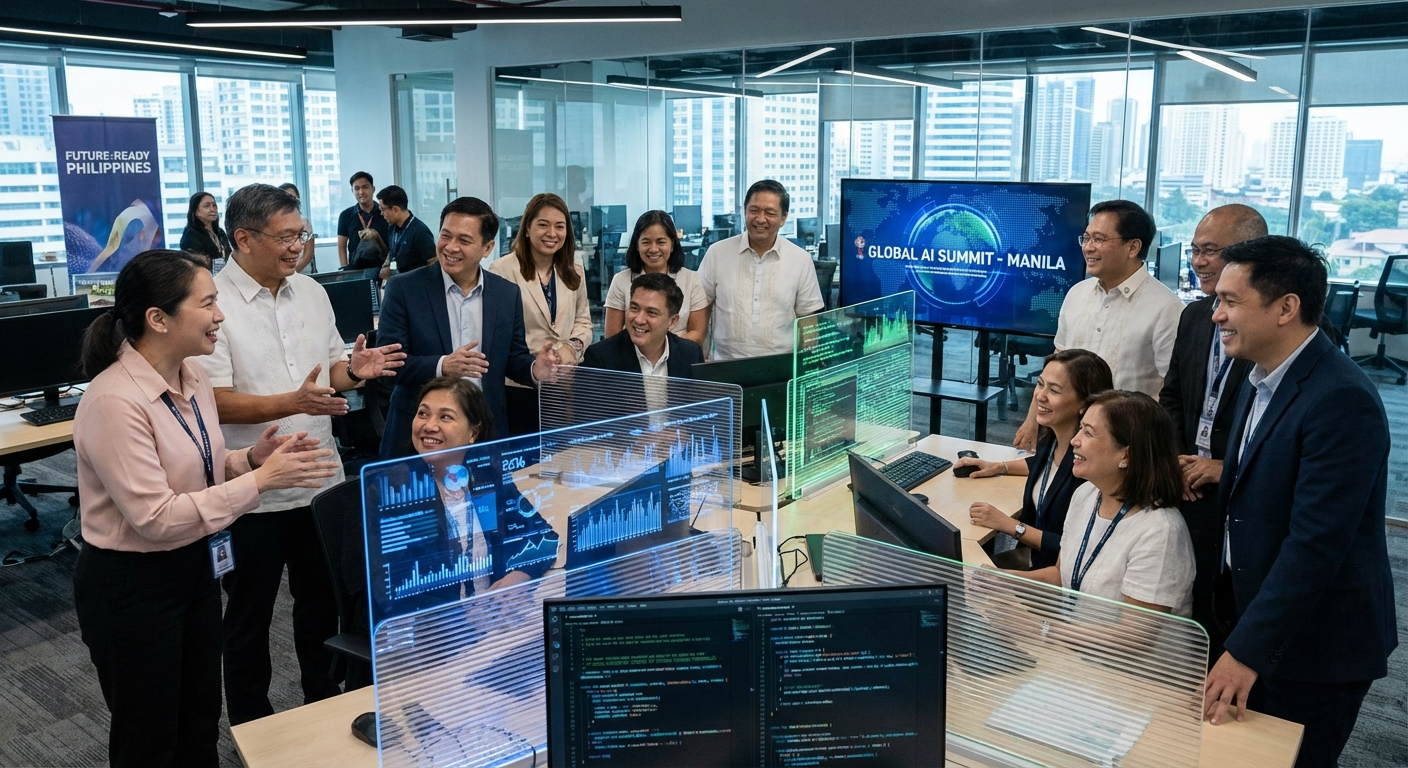
The future of work for millions of Filipinos, both domestically and abroad, is squarely on the national agenda. The Philippine government's Private Sector Advisory Council (PSAC) recently convened, placing the crucial issues of Filipino workers and Artificial Intelligence (AI) upskilling at the forefront of its discussions. This strategic prioritization underscores a national commitment to prepare the labor force for the dramatic shifts brought about by technological advancements, directly impacting job security and career opportunities across various sectors. The move to integrate AI upskilling into national policy reflects a proactive approach to economic development and human capital investment. With AI rapidly transforming industries worldwide, from manufacturing and customer service to healthcare and IT, the demand for workers proficient in AI tools and concepts is skyrocketing. By making this a top agenda item, the Philippines signals its intent to empower its vast workforce, including the globally recognized Filipino diaspora, to adapt and thrive in this new landscape, rather than be displaced by it. Why It Matters This focus on AI upskilling is profoundly significant for the Philippines' economic future and the well-being of Filipino families. As global labor markets become increasingly automated, countries that invest in digital literacy and AI proficiency for their workers will gain a competitive edge. For the Philippines, a nation with a substantial population of overseas workers, this initiative is critical for maintaining the high demand for Filipino talent internationally. It aims to transform the perception of Filipino workers from simply being adaptable to being technologically advanced, opening doors to higher-skilled, better-paying jobs. Without such proactive measures, there is a risk that traditional sectors heavily reliant on manual labor could see job displacement, affecting remittances and the overall economic stability of many households. What Filipinos Need to Know For every Filipino worker, whether currently employed in the Philippines or an OFW considering future career moves, understanding and embracing AI upskilling is no longer optional. This national focus means that opportunities for AI-related training, certifications, and educational programs are likely to expand significantly. Filipinos should actively seek out these resources to enhance their skill sets, making them more resilient to automation and more attractive to employers both locally and globally. For those already working overseas, acquiring AI skills can lead to career advancement, higher wages, and greater job security in competitive international markets. It's a call to action for individual empowerment, supported by a burgeoning national strategy to ensure the Filipino workforce remains a global powerhouse.