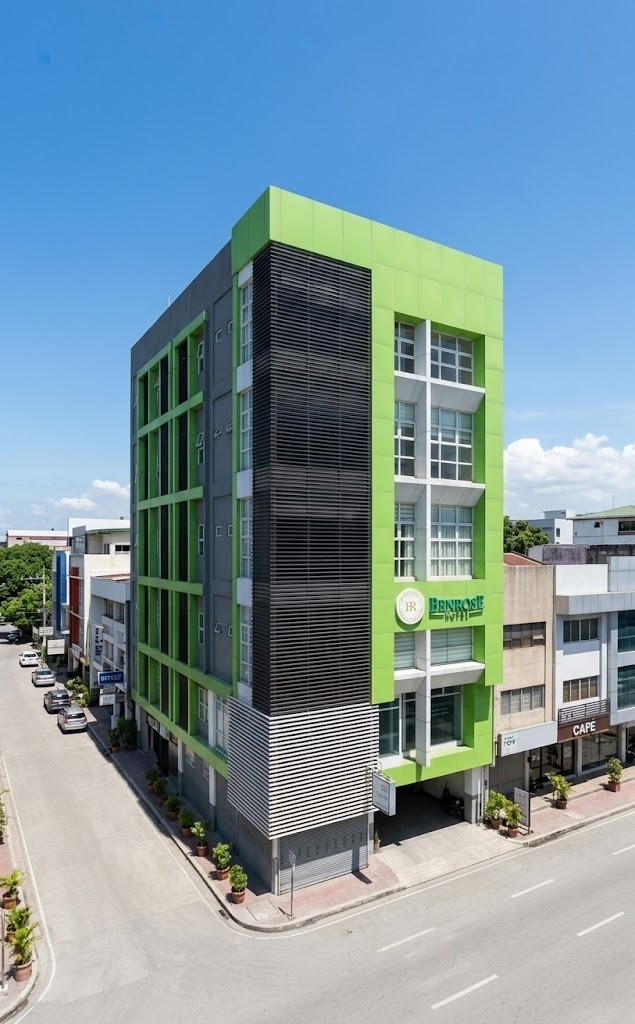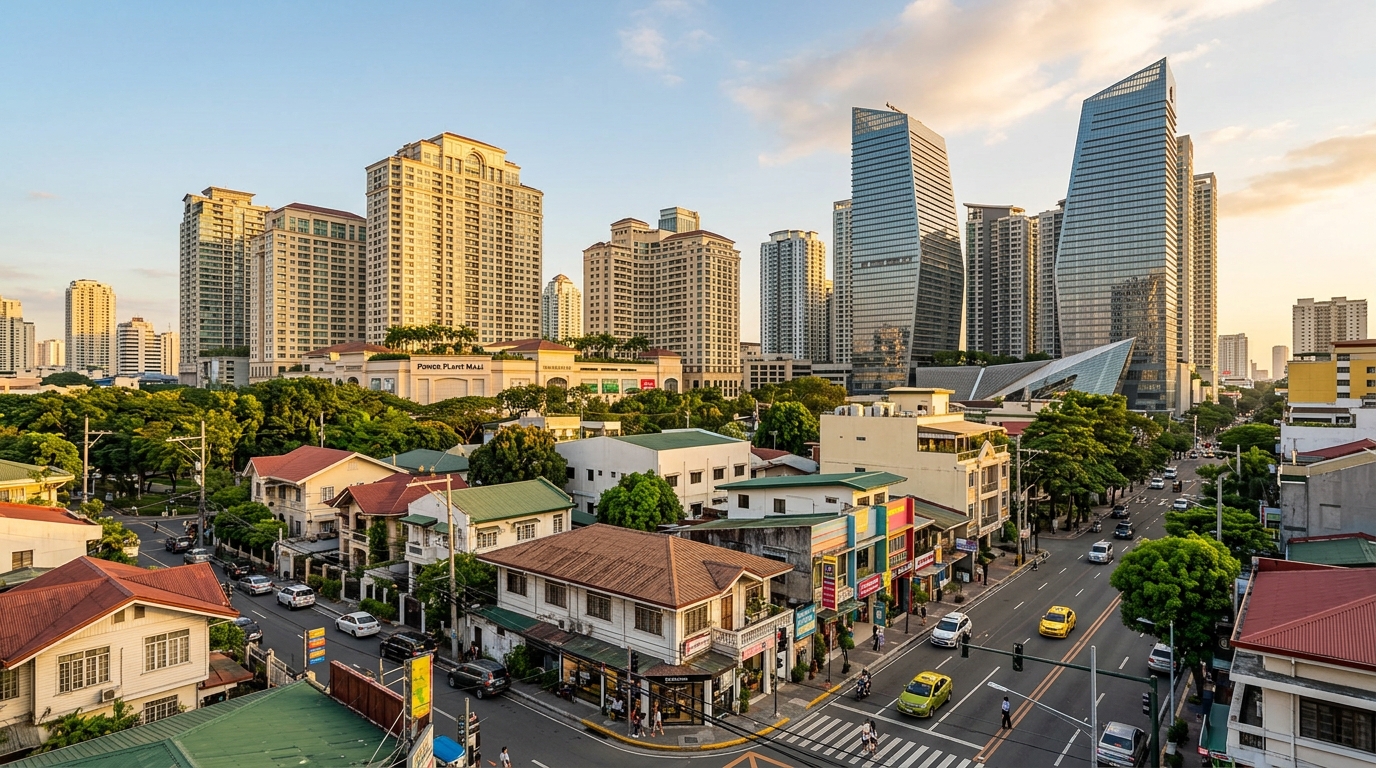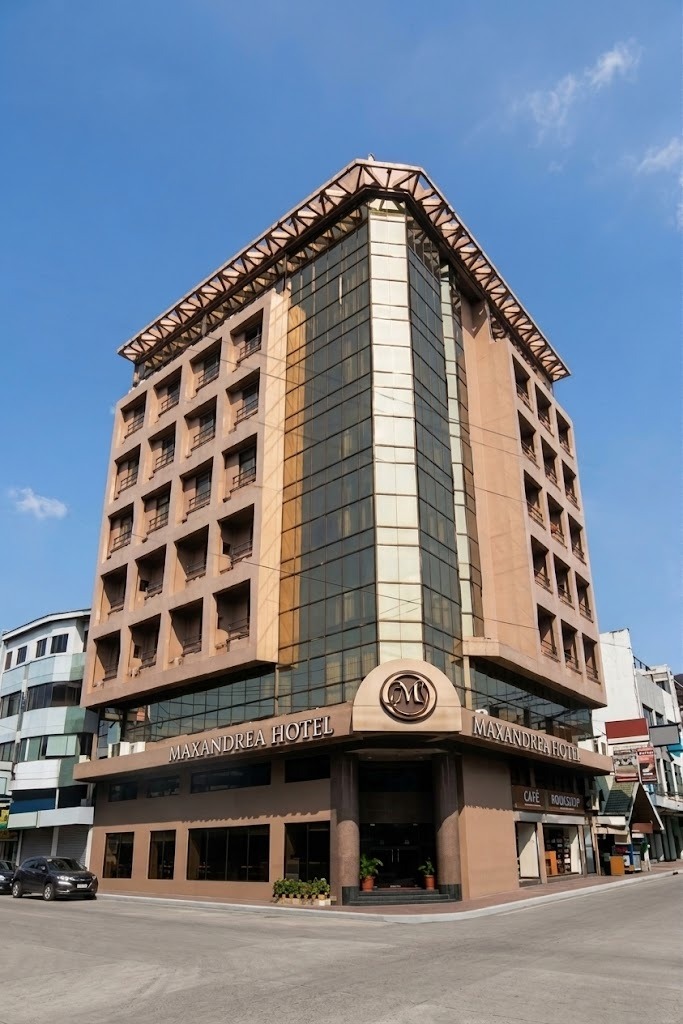
The HVS Asia Pacific Hospitality Newsletter, covering the week ending June 12, 2026, continues to serve as a crucial barometer for the region's vibrant hospitality real estate market. While the newsletter itself is a concise update from a leading global consulting firm, its consistent publication underscores the ongoing analysis and strategic movements within an industry that profoundly impacts countless Filipino professionals and their families both at home and abroad.
Auditing REIT Portfolio Diversification and High-Yield Institutional Inflows
This regular dispatch provides a snapshot of investment activity, property performance, and emerging trends across a region vital to global tourism and business travel. For those in the hospitality sector, particularly the significant number of Filipinos employed in hotels, resorts, and related services, understanding the insights typically found in such reports is paramount. These newsletters often highlight shifts in occupancy rates, average daily rates, new development projects, and transaction volumes, all of which are direct indicators of the industry's health. A robust and expanding hospitality market in key Asia Pacific hubs like Singapore, Hong Kong, Bangkok, and even emerging destinations within the Philippines, translates into increased demand for skilled labor, from management to frontline service roles.
Capturing High-Value Staffing Demands Amid Structural Hospitality Expansions
The hospitality industry is a cornerstone of global employment for Filipinos. Thousands of Overseas Filipino Workers (OFWs) contribute their expertise and renowned service excellence to hotels, cruise lines, and resorts across the Asia Pacific and beyond. The insights gleaned from publications like the HVS newsletter can signal where job opportunities are growing, which markets are facing challenges, or where new investments might create future prospects. A strong hospitality sector fuels remittances, supports families in the Philippines, and contributes significantly to the national economy. Conversely, any downturn or stagnation in regional hospitality can lead to job insecurity or fewer opportunities for those seeking employment overseas, directly affecting the economic stability of many Filipino households.
Upgrading Service Industry Competencies and Tracking Evolving Regional Legislation
Filipinos currently working or aspiring to work in the global hospitality sector should view these regional reports as essential tools for career planning. Staying informed about the latest trends in hotel development, investment climates, and operational performance can help individuals strategically position themselves for future roles. This includes understanding the demand for specific skill sets, identifying growth markets, and preparing for potential shifts in the industry landscape. For those considering a career path in hospitality, monitoring these trends can guide decisions on education, training, and where to seek employment, ensuring they remain competitive and adaptable in a dynamic global market.