


A Home Is More Than a Property Listing
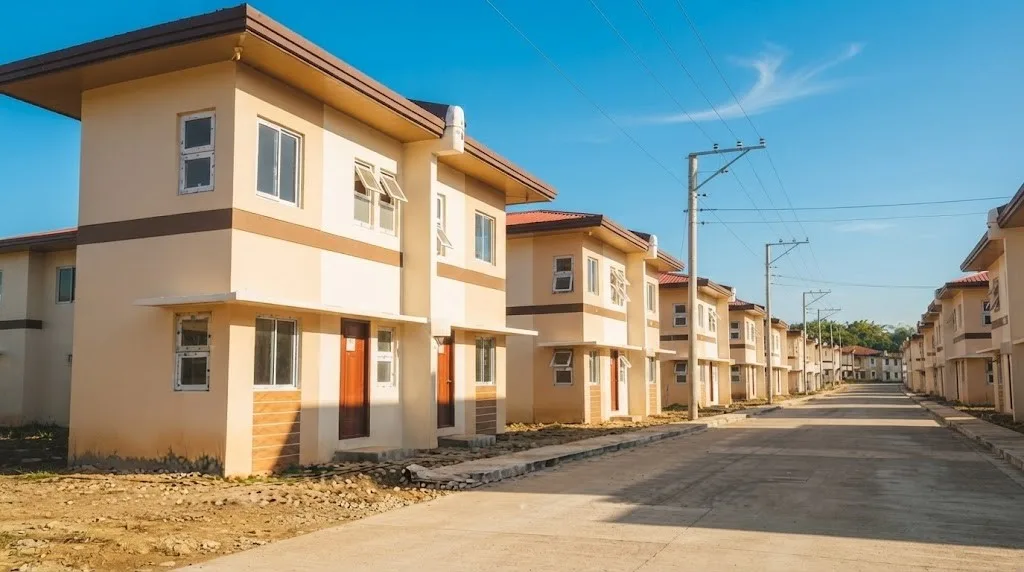
BACOLOD - The National Housing Authority turned over the first 104 units at the MassKara Village Government Employee Housing Project in Barangay Sum-ag in March 2026. The development is part of a 500-unit socialized housing project covering 7.3 hectares and was designed for qualified beneficiaries, including government employees and overseas Filipino workers. The project matters because it changes the way housing can be viewed.
For many families, purchasing a home is not primarily an investment strategy. It is about stability. It means having a permanent address, a place where children can grow up, and an asset that can remain within the family. That makes socialized housing an important part of the city's real-estate story. It speaks to a different market from high-end residential developments and condominium projects, but it addresses an equally significant need.
The City Is Growing, and Housing Has to Keep Up
Bacolod's growth creates pressure on its housing system. As employment opportunities expand and more people move through the city's economic and educational networks, demand for homes naturally increases. Not everyone who needs a home, however, can afford the same type of property. This is where government-backed housing programs become relevant. The Department of Human Settlements and Urban Development said in April 2026 that construction of the Asenso Yuhum Housing Project in Bacolod was continuing under the expanded 4PH program. The Philippine Information Agency reported that four buildings had already been completed and that 130 families were residing in the project at that time. These developments show that Bacolod's housing landscape has multiple layers. There are private subdivisions and master-planned communities, but there are also government-supported projects designed to address affordability. The two sectors may look very different, yet both contribute to the larger question of how a growing city accommodates its population.
Why Housing Could Become Part of the City's Tourism Story
At first glance, housing and tourism may seem completely unrelated.
They are not. A city that attracts visitors also needs people who can live and work there. Hotels require employees. Restaurants need staff. Retail businesses need workers. Schools and hospitals require professionals. Transportation networks depend on drivers and operators. Those people need homes. That is why housing is part of the invisible infrastructure supporting a tourism economy. Bacolod's socialized housing developments may not appear on a visitor's itinerary, but they contribute to the larger story of how the city grows. If development is to remain sustainable, the conversation cannot focus only on new commercial buildings or tourist attractions. It must also consider whether residents can find secure and affordable places to live. For visitors, this offers another perspective on Bacolod. The city's real-estate story is not only about where travelers can stay. It is also about where the people who make the city function can call home.
