


Mangroves Need the Right Address
BOHOL - The Bohol Provincial Environment Management Office recently urged groups planning mangrove planting activities to have their sites assessed before planting. The July 30 report explained that mangroves naturally belong in particular coastal environments and should not simply be placed wherever volunteers find open space. That matters for wildlife because mangrove forests and seagrass beds perform different ecological roles. Protecting one habitat should not mean accidentally damaging another.
The Wildlife Story Starts Below the Surface
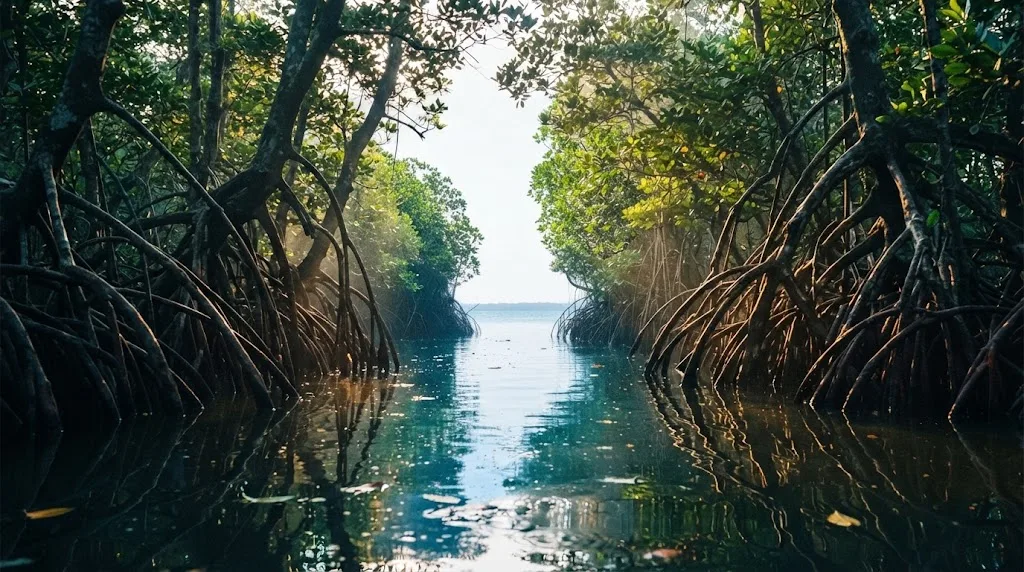
Mangrove forests are often associated with shorelines, mudflats, roots, and shallow water, but those environments can support a much wider coastal ecosystem. Bohol's own environmental programs have included mangrove rehabilitation and coastal resource management, while the province's broader ecotourism planning identifies mangroves and marine biodiversity among the natural assets of protected island areas. For visitors, this makes a mangrove area worth seeing even when there is no dramatic animal encounter. The habitat itself is the attraction because it provides places for numerous organisms to feed, shelter, and reproduce.
Try Looking at Bohol's Coastline Differently
A wildlife itinerary does not have to mean searching for the biggest or rarest creature. Walking through a properly managed mangrove area can show how closely forests, seagrass, fisheries, and coastal communities are connected. The July 30 PIA report is particularly useful because it explains why conservation work requires planning rather than simply planting as many trees as possible. For travelers, that makes Bohol's mangroves an understated but worthwhile part of a nature-focused trip.
