


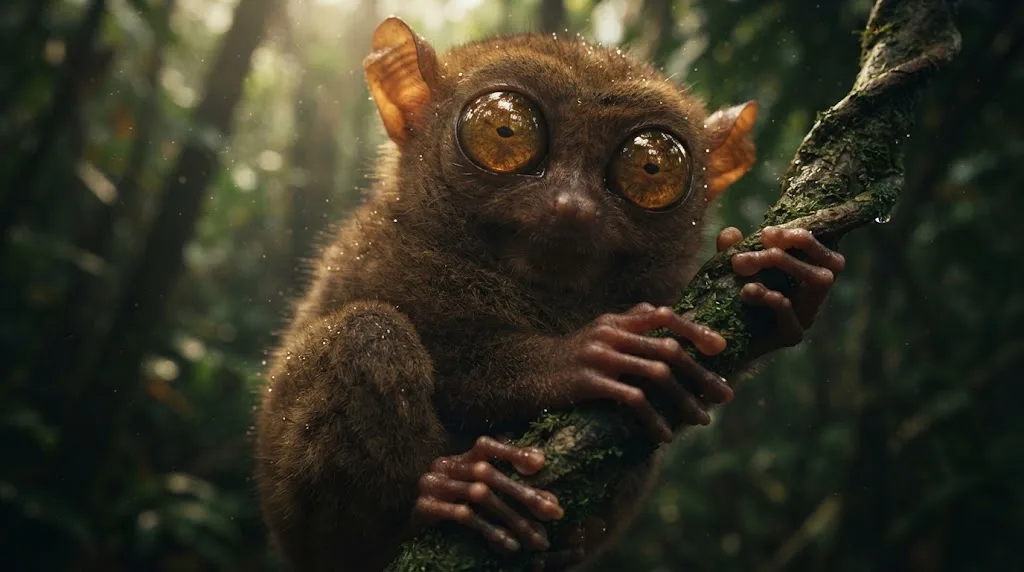
Look Closely—The Tarsier Is Smaller Than You Think
BOHOL - The Bohol Tarsier Conservation Area in Bilar gives visitors a chance to observe the Philippine tarsier within a setting built around its conservation. The August 15 travel information describes the attraction as dedicated to protecting the species and its habitat, while also providing opportunities for visitors to learn about tarsier behavior. The experience is therefore less about a large collection of animals and more about searching carefully through the surrounding vegetation. That makes the attraction particularly appealing to travelers who enjoy spotting wildlife rather than simply viewing it from behind glass.
A Different Kind of Bohol Stop
Tarsiers also bring a different rhythm to a countryside itinerary because they are nocturnal animals. The Philippine tarsier is known for its unusually large eyes, small body, and ability to move quickly between branches, characteristics that have made it one of the country's most recognizable native mammals. The Department of Tourism's Bohol destination guide likewise identifies the Philippine Tarsier Sanctuary as a place where the species can be observed in a protected habitat. A visit can therefore add a wildlife-focused stop to the same trip that includes Bohol's more famous geological and cultural attractions.
The Best Photograph Is the One That Leaves the Animal Alone
A tarsier visit is most rewarding when visitors remember that the animal is not performing for them. Bright flashes, loud voices, touching, or attempts to get extremely close can interfere with the kind of quiet environment the animals need. The provincial tourism profile explains that trained guides lead visitors along shaded forest trails and that guests are expected to maintain silence and avoid flash photography because tarsiers are sensitive to bright light and loud sounds. That simple approach turns the experience into wildlife watching rather than an ordinary photo opportunity.
