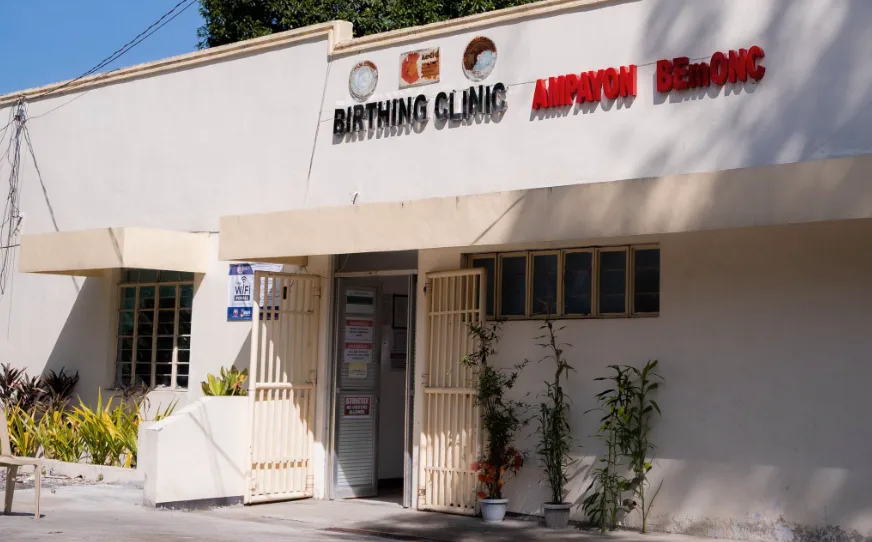
BUTUAN CITY — A barangay health facility that closes is not merely an inconvenience. In communities where public transport is scarce and hospital queues are long, it becomes a gap that pregnant women must cross at the most vulnerable moment of their lives. The Basic Emergency Obstetric and Newborn Care center in Barangay Ampayon closed that gap again on October 27, 2026, when it formally reopened after renovation, restoring a service that residents had been waiting to see return.
What the Facility Restores
The center is built around the needs of mothers in labor and infants in their first hours. Delivery services are available on-site, and care continues through the newborn's early days, giving families a single, familiar location for the most critical phase of the maternal journey. Barangay Health Worker Rose Laugo confirmed that the facility's scope covers both mothers and their babies, and that members with qualifying coverage can draw on their PhilHealth benefits there. That combination of local access and financial relief is what turns a health facility from a building into a genuine option for households with limited means.
Why It Matters to One Mother in Particular
Among those waiting for the reopening was Rona Basilio, 33, who is close to her delivery date. Her relief is easy to understand. A facility within the barangay means shorter travel, fewer arrangements, and the assurance that help is near if something goes wrong. That assurance carries weight in a place where the nearest hospital may be a long ride away and where weather, traffic, or the hour of the night can complicate the trip. For Basilio and other expectant mothers in Ampayon, the renovated center is not an abstraction. It is a destination they can reach.
The Partnership Behind the Renovation
Reopening a health facility requires more than paint and equipment. It takes coordination among local offices, health personnel, and community workers who understand what the facility needs to function. During the ceremony, the city government acknowledged the offices and individuals who saw the renovation through, and the message delivered at the event framed public health as the most valuable asset a city can hold. That framing is not ceremonial language. It reflects a practical understanding that a city's productivity, stability, and future depend on the wellbeing of the families who live in it.
A Local Investment With Long-Term Weight
The reopening will not generate headlines beyond the city, and it does not need to. Its value will be measured in deliveries conducted safely, in newborns who receive attention in time, and in mothers who do not have to gamble on a long trip when labor begins. For Barangay Ampayon, the restored BEMONC center is a quiet but consequential investment, one that treats maternal health as a public responsibility rather than a private burden.