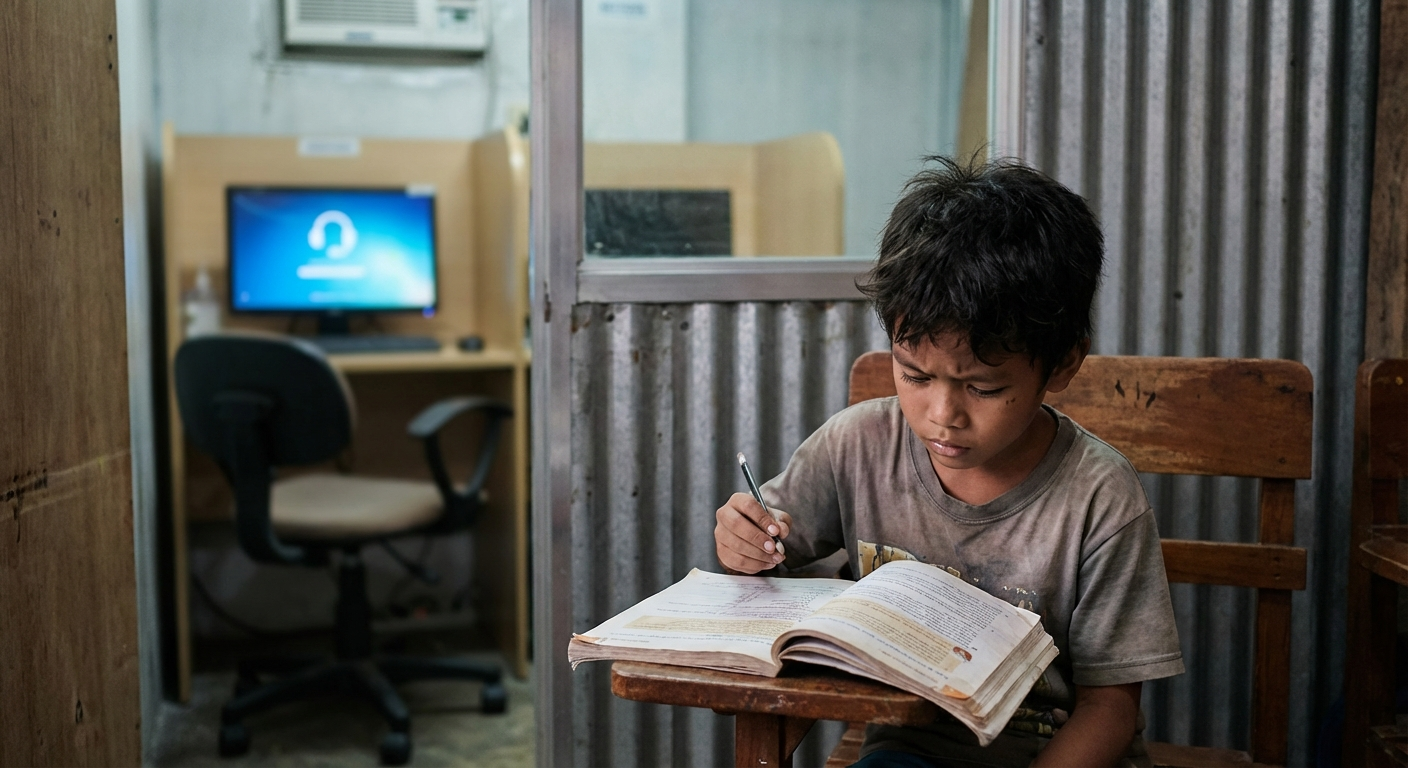
The Philippines, long celebrated as a global powerhouse for Business Process Process Outsourcing (BPO) and call center operations, faces a critical challenge that could jeopardize its leading position: a reported decline in literacy among its youth. According to an article by The Japan Times, the ability of children to read is directly linked to the nation's continued success in an industry that employs millions of Filipinos and underpins a significant portion of the economy. The BPO sector thrives on a highly literate, English-proficient workforce capable of complex communication, critical thinking, and problem-solving. A generation of students struggling with fundamental reading comprehension could mean a future talent pool inadequately prepared for the demands of customer service, technical support, and other knowledge-based roles that have traditionally drawn global companies to the Philippines. This potential decline in the quality of the incoming workforce raises concerns about the country's long-term competitiveness in attracting and retaining international investments. Why It Matters For millions of Filipinos, particularly those from middle-income families, careers in the BPO industry offer stable employment, competitive salaries, and a pathway to upward mobility. The industry also indirectly supports countless families whose members work as overseas Filipino workers (OFWs), often sending remittances home to support relatives who might then pursue education and local job opportunities, including in BPO. A weakening BPO sector due to a skills gap could severely impact domestic job creation and potentially increase the pressure for more Filipinos to seek employment abroad, affecting family structures and the nation's overall economic resilience. What Filipinos Need to Know Filipino families, educators, and policymakers are confronted with an urgent need to address the foundational issue of literacy. Ensuring that children receive quality education from an early age is not just about academic success; it's about safeguarding future employment prospects and the nation's economic stability. The continued growth of the BPO industry, which remains a vital pillar for the Philippine economy and a source of livelihood for many, hinges significantly on nurturing a well-educated and communication-proficient workforce prepared for the global stage.