


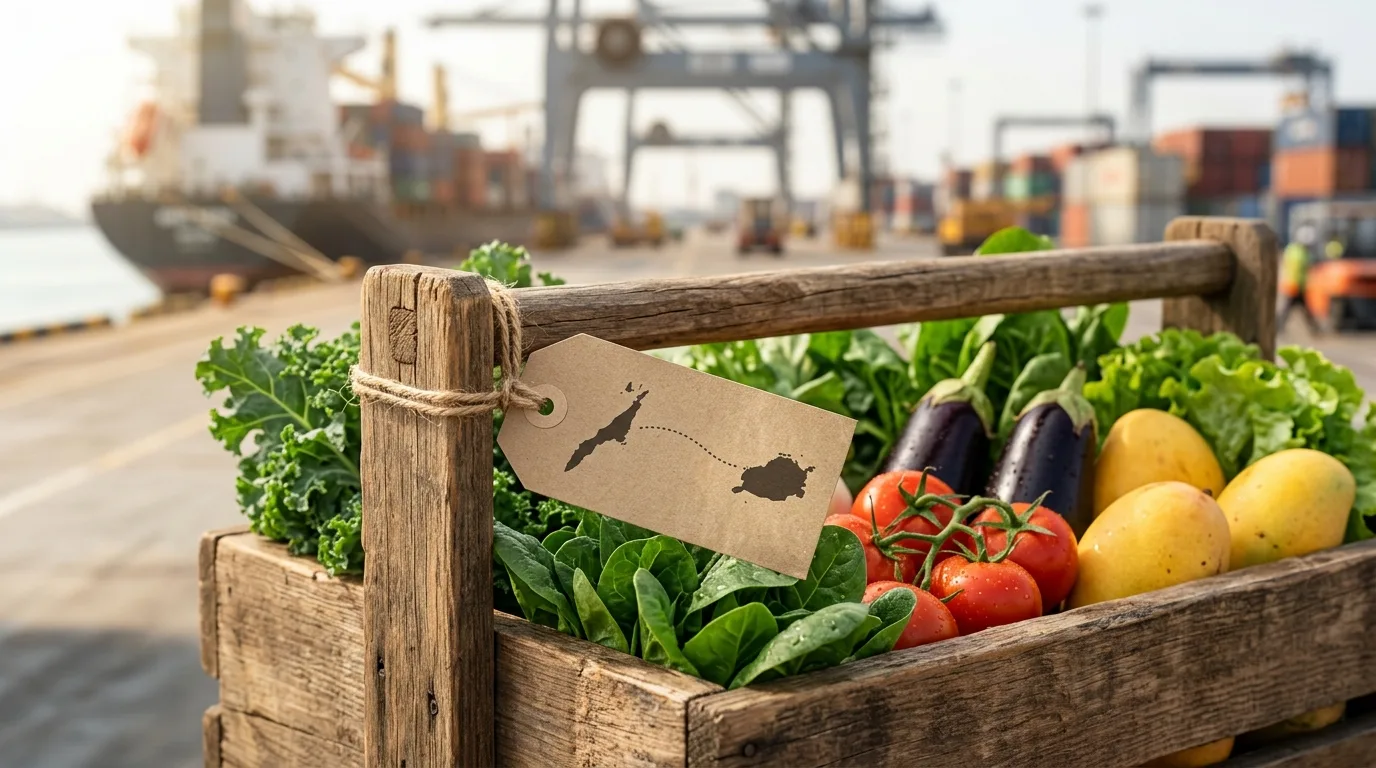
BOHOL — The Regional Development Council in Central Visayas (RDC‑7) has approved the creation of a joint Cebu‑Bohol technical working group on food prices and security. The move targets logistics bottlenecks and pricing practices that have driven inflation to record levels, aiming to make basic commodities more affordable for millions of residents.
Confronting the Region’s Inflation Crisis
The decision came during a Regional UPLIFT Committee meeting at the Danao Civic Center, chaired by Cebu Governor Pamela S. Baricuatro. The Department of Labor and Employment (DOLE) initiated the proposal, recognizing that Central Visayas posted the country’s highest regional inflation rate at 10.8 percent in May 2026. Food inflation alone soared to 16.2 percent, straining household budgets across both provinces.
A major vulnerability is Cebu’s heavy dependence on external food sources. The province relies on supplies from outside its borders for an estimated 70 percent of its food needs. This dependency makes Cebu acutely sensitive to shipping disruptions, fuel price hikes, and supply chain inefficiencies. The new working group will directly tackle these structural weaknesses.
Targeting Logistics and Supply Bottlenecks
The technical working group is mandated to trace shipping and logistics issues affecting the movement of agricultural goods and seafood between Bohol and Cebu. It will audit port handling practices, transit routes, and freight costs that add unnecessary markups to consumer prices. By identifying where prices inflate along the chain, the group can recommend practical policy fixes.
Another core function is facilitating direct sourcing programs. The group aims to connect Cebu‑based buyers and supermarkets directly with Boholano farmers and fisherfolk. Cutting out layers of middlemen is expected to raise producer incomes while lowering retail prices. This creates a more equitable food system that benefits both ends of the supply chain.
Leadership and Coordinated Action
DOLE‑7 Regional Director Roy L. Buenafe emphasized that the region has sufficient food supplies but lacks accurate demand monitoring. He said understanding the true measurement of food needs at any given time is critical to preventing artificial shortages. The working group will work to establish real‑time tracking tools for local food consumption.
Governor Baricuatro underscored the importance of coordinated action, noting that uplifting families requires a united response to price pressures and global uncertainties. The meeting also reviewed a consolidated status report on assistance extended by national agencies to cushion vulnerable sectors from the economic effects of the Middle East conflict. This report will be submitted to the National UPLIFT Committee chaired by President Ferdinand R. Marcos Jr.
A Model for Regional Food Security
Central Visayas was the first region to establish a Regional UPLIFT Committee under Executive Order No. 110, signed by President Marcos in March 2026. The committee serves as the coordinating body for government interventions, bringing together national agencies, local governments, and private‑sector partners. The joint Cebu‑Bohol initiative now sets a precedent for inter‑provincial cooperation on food security.
Beyond immediate price stabilization, the region has set ambitious targets to reduce poverty incidence and boost gross regional domestic product by 2028. The food security working group is a cornerstone of that long‑term vision. By strengthening the supply links between Cebu and Bohol, the region aims to build a more resilient and self‑sufficient food economy.
