CLARK FREEPORT ZONE, PAMPANGA — For decades, Clark International Airport was known as a gateway—a place you passed through on the way to somewhere else. LIPAD Corp. is changing that. Clark AeroDistrict, the Philippines' first masterplanned airport city, is rising around CRK, transforming the airport into a fully integrated economic hub where aviation, logistics, commerce, and community converge. And it's happening right here in Pampanga.
The Scale of the Vision and the Zones That Make It Work
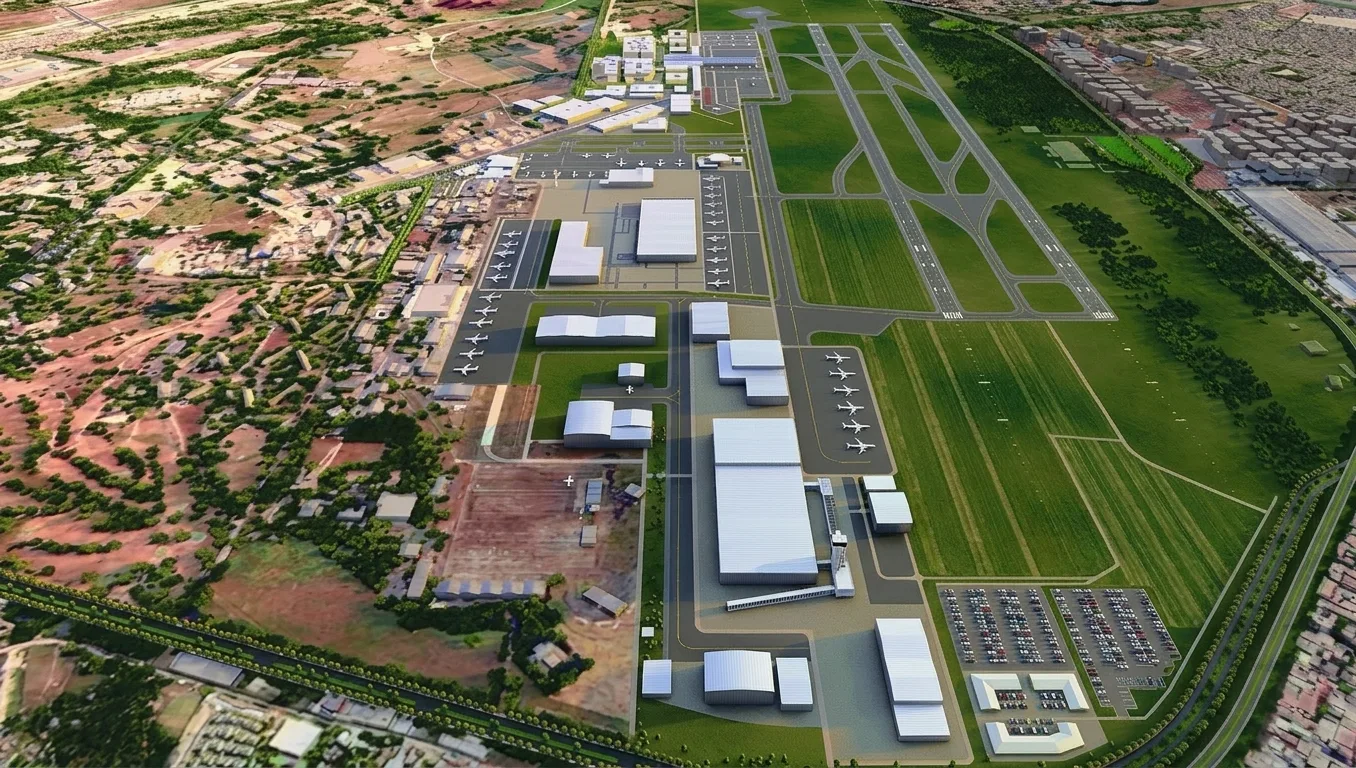
Spanning 759 hectares within the Clark Freeport Zone, the AeroDistrict was masterplanned by global infrastructure consulting firm AECOM and is being developed by Luzon International Premiere Airport Development Corp., the consortium operating CRK . LIPAD President and CEO Noel F. Manankil captured the ambition simply: "Clark International Airport has always been more than an airport. It is a gateway that connects people, businesses, and opportunities. We want Clark to become a leading hub for aviation, logistics, business, and investment, while helping drive economic growth for the country." The masterplan divides the district into four functional areas, each designed to support a specific pillar of the ecosystem: Zones 1 and 2 are dedicated to Maintenance, Repair, and Overhaul operations—including Lufthansa Technik Philippines' base maintenance facility—and general aviation enterprises, cementing Clark's status as a regional aviation services hub. Zone 3 is Cargo City, a 30-hectare integrated logistics and freight hub designed for warehousing, specialized cold storage, and streamlined customs clearance, with the goal of consolidating government processing—Customs, BAI, and other agencies—in one location to speed up the movement of goods. The anchor investment here is undeniable: the USD 80-million UPS Clark International Air Hub, which opened in 2026 and is over 15 times larger than UPS's previous Clark facility, raising UPS's average daily volume from 5,000 to 46,000 packages and peak processing capacity to 15,000 packages per hour . Zone 4 offers about 130 hectares available for lease, primarily for hotels, offices, and mixed-use developments near the passenger terminal—this is where the airport city becomes a destination in itself, not just a transit point.
The Connectivity That Completes the Picture and Why This Matters for Pampanga
Clark AeroDistrict sits at the heart of the Luzon Economic Corridor, linked to major regional highways like NLEX, SCTEX, and TPLEX, giving locators access to nearby industrial estates, business process outsourcing firms, and established transport networks—improving the movement of goods and people across Luzon and drawing private investment to the region . And the numbers show the momentum is real: in the first half of 2026, CRK handled 48,655 metric tons of cargo, up 10 percent year-on-year, with international shipments accounting for 97 percent of the total, while passenger traffic also rose 6 percent to 1.64 million . For Kapampangans, the AeroDistrict is more than an infrastructure project—it's an economic engine. It means jobs, with the UPS hub alone creating nearly 600 positions, many filled by Pampanga residents; investment, with global players like FedEx and Lufthansa Technik targeting 2028 for their expansion projects; connectivity, with a world-class airport city that puts Pampanga at the center of Philippine trade and travel; and pride, because the Philippines' first airport city is being built in Clark. To LIPAD, AECOM, and the consortium partners—Changi Airports International, JG Summit Holdings, Filinvest Development Corp., and Philippine Airport Ground Support Solutions—this is what nation-building looks like.