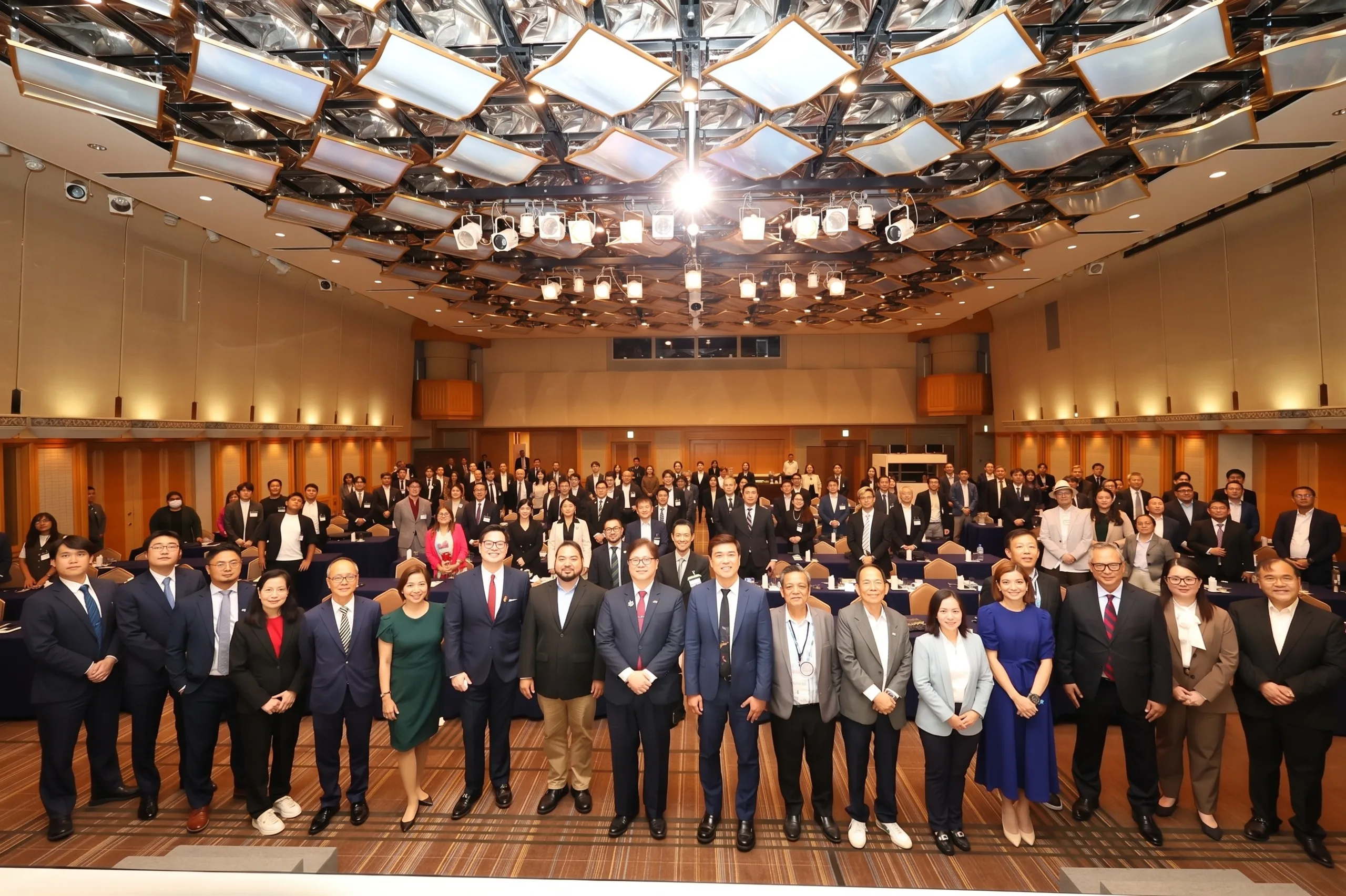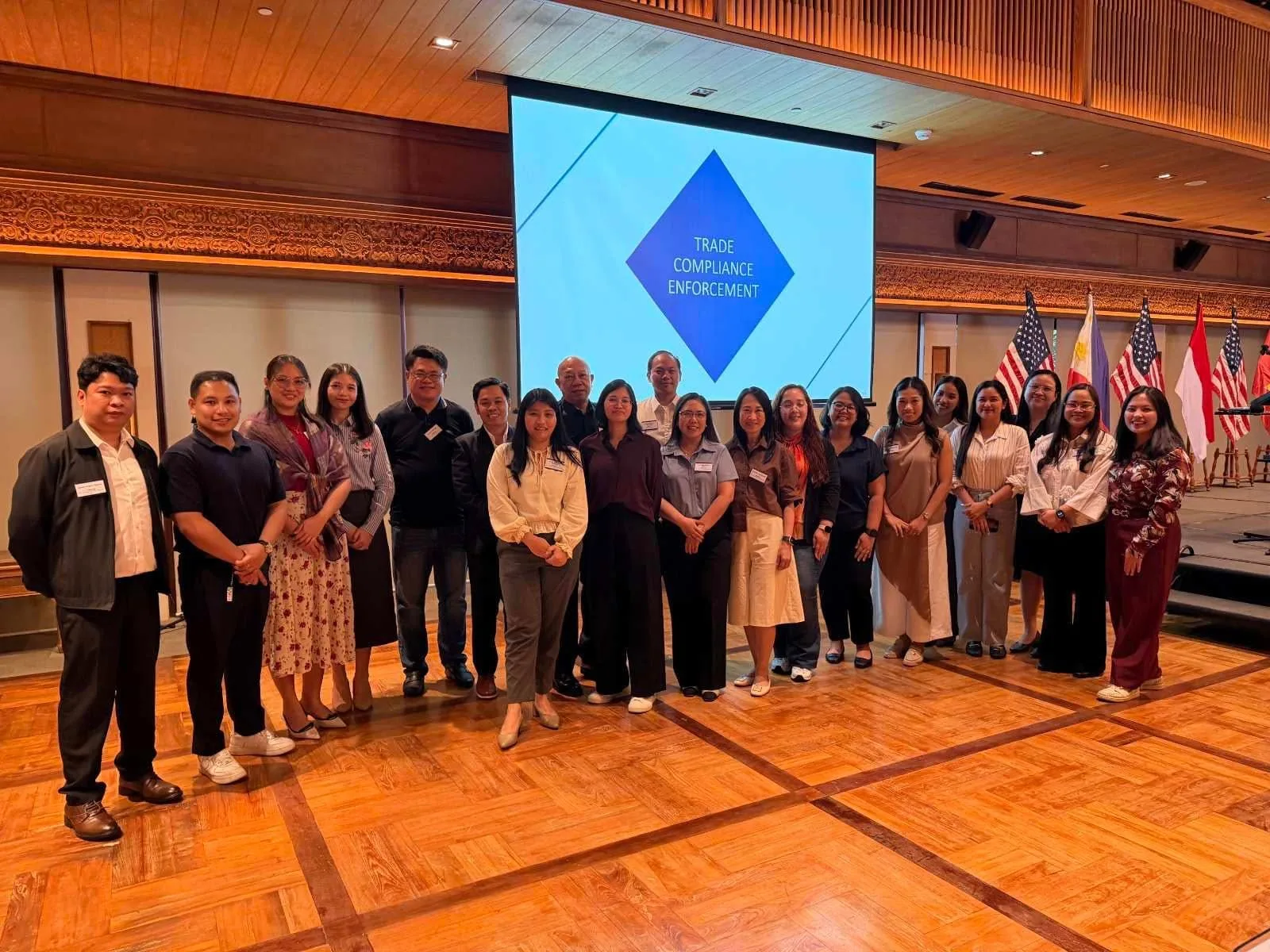
CLARK FREEPORT ZONE, PAMPANGA — Clark's semiconductor industry isn't just growing. It's becoming a critical node in the global supply chain — and the people running the Freeport know it. That's why Clark Development Corporation sent its executives to Bali, Indonesia, for the four-day Regional Semiconductor Supply Chain Security and Cross-Border Investment Workshop from October 19 to 22, 2026. It wasn't just a conference. It was a strategic move to protect and future-proof one of Clark's most valuable industries.
The Workshop That Matters and the Topics That Hit Close to Home
Organized by the U.S. Department of State and implemented by experts from Sandia National Laboratories, the workshop brought together representatives from government, industry, and academia across Indonesia, the Philippines, and Vietnam, with CDC represented by Trade Facilitation Division executives Priscila Hernandez and Judy Cabarle . The sessions covered the issues that keep semiconductor executives up at night: technology transfer regulations and export controls, cross-border investment screening mechanisms and due diligence on investors, vulnerability assessments and risk mitigation measures for sensitive semiconductor tech, monitoring dual-use technologies with commercial and strategic applications, tracking end-users and end-uses, and rules governing virtual or electronic technology transfers and technical training . These aren't abstract policy discussions—they're the guardrails that determine whether a semiconductor hub thrives or gets left behind in an industry where compliance, security, and trust are non-negotiable.
Why This Matters for Clark
Clark isn't a small player, and the numbers tell the story: 22 semiconductor companies operating in the Freeport, 4,289 workers employed in the sector, and USD 3.8 billion in chip and electronics exports in 2025 . These companies primarily handle assembly, testing, and packaging within global production networks—exactly the kind of operations that require rigorous compliance and investment safeguards. The insights from Bali directly support those safeguards, helping Clark's locators stay compliant, protect their intellectual property, and maintain access to global markets. This engagement also ties into broader efforts under the Philippine Semiconductor and Electronics Industry Roadmap, which aims to drive higher-value manufacturing and supply chain resilience. For Clark, it's a chance to be part of the national conversation—and to ensure that the Freeport remains a destination of choice for semiconductor investment. To Priscila Hernandez, Judy Cabarle, and the CDC team: this is what proactive governance looks like. You're not just managing a Freeport—you're protecting an industry that powers the nation's exports.