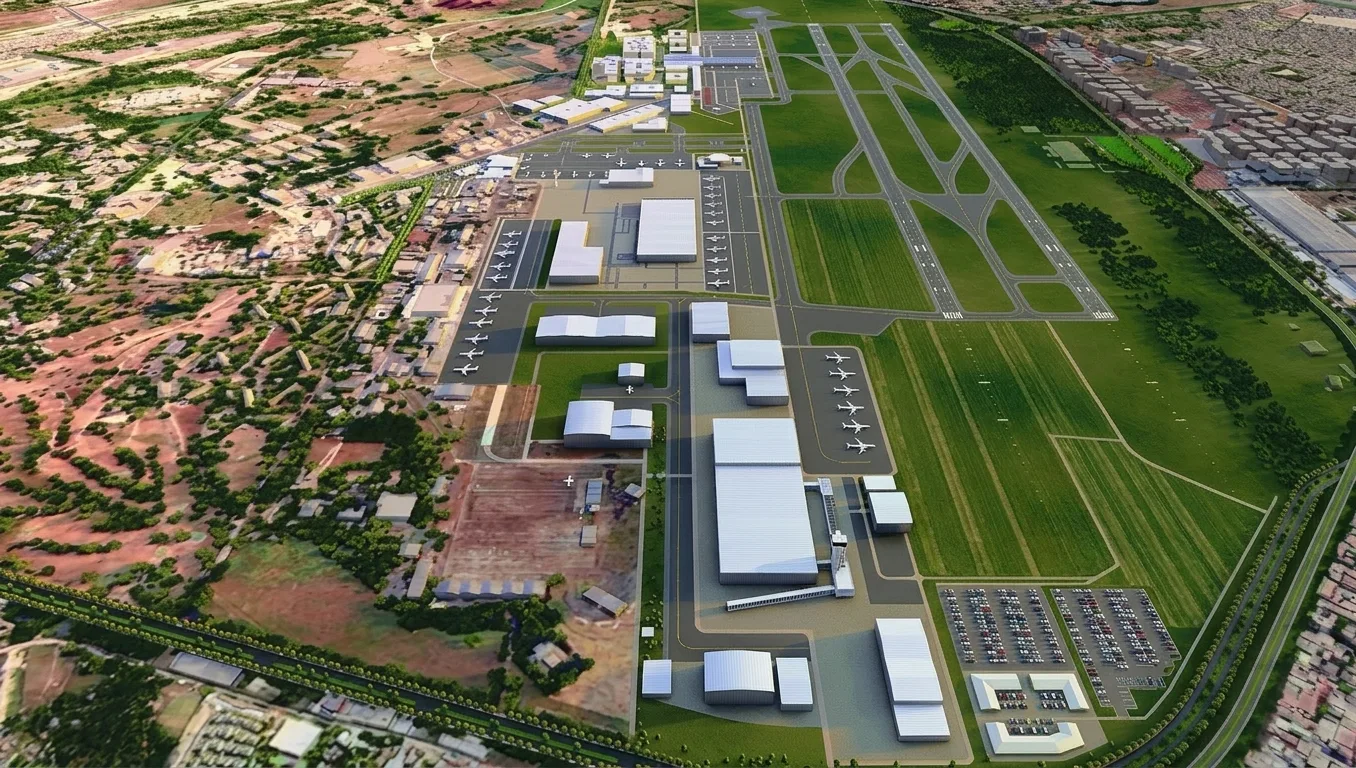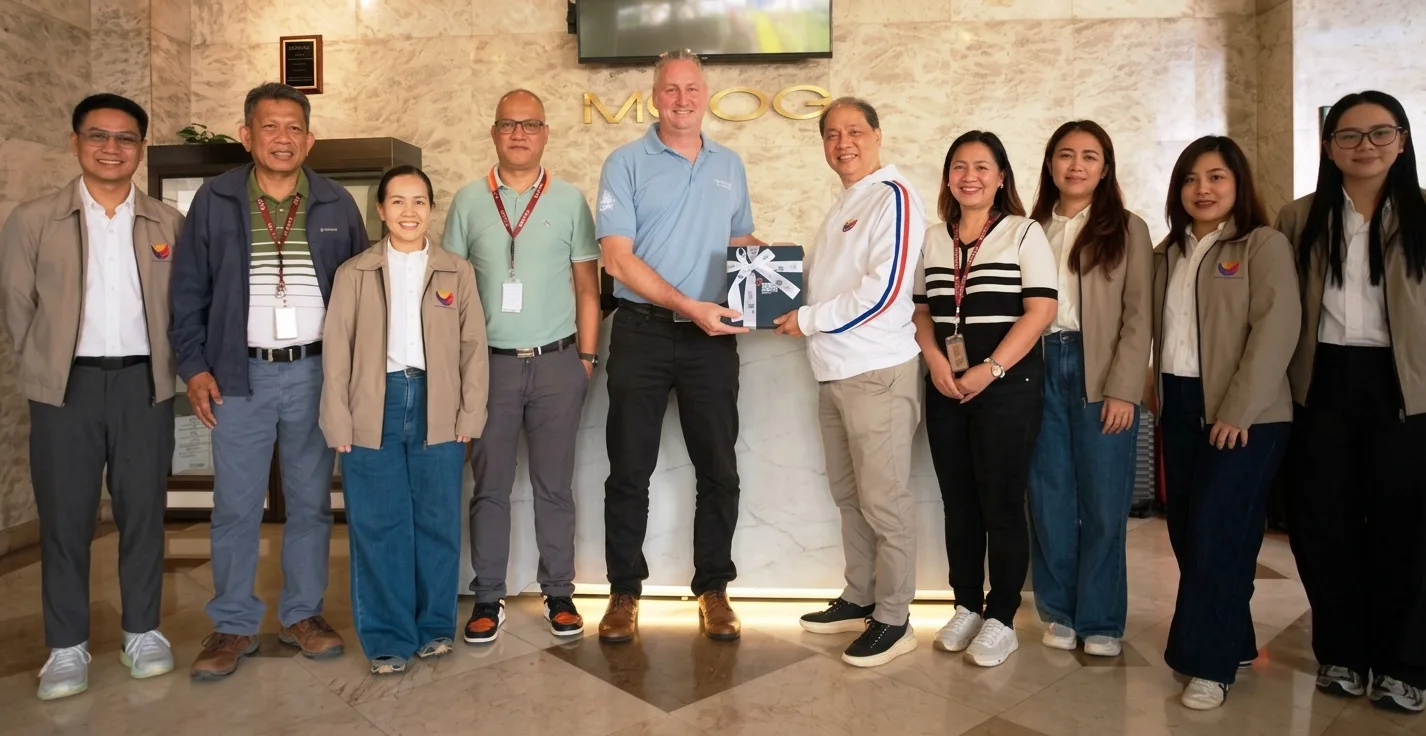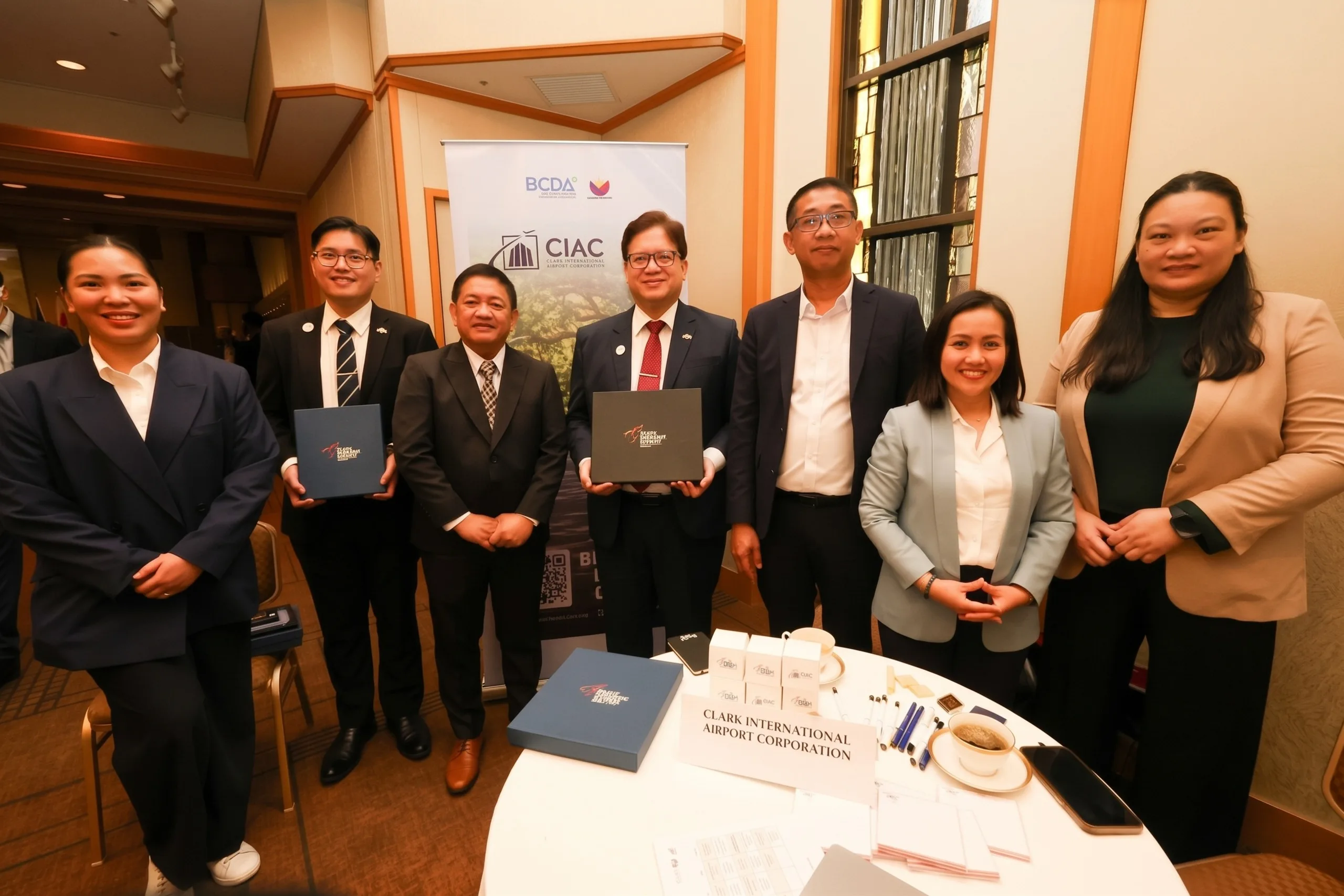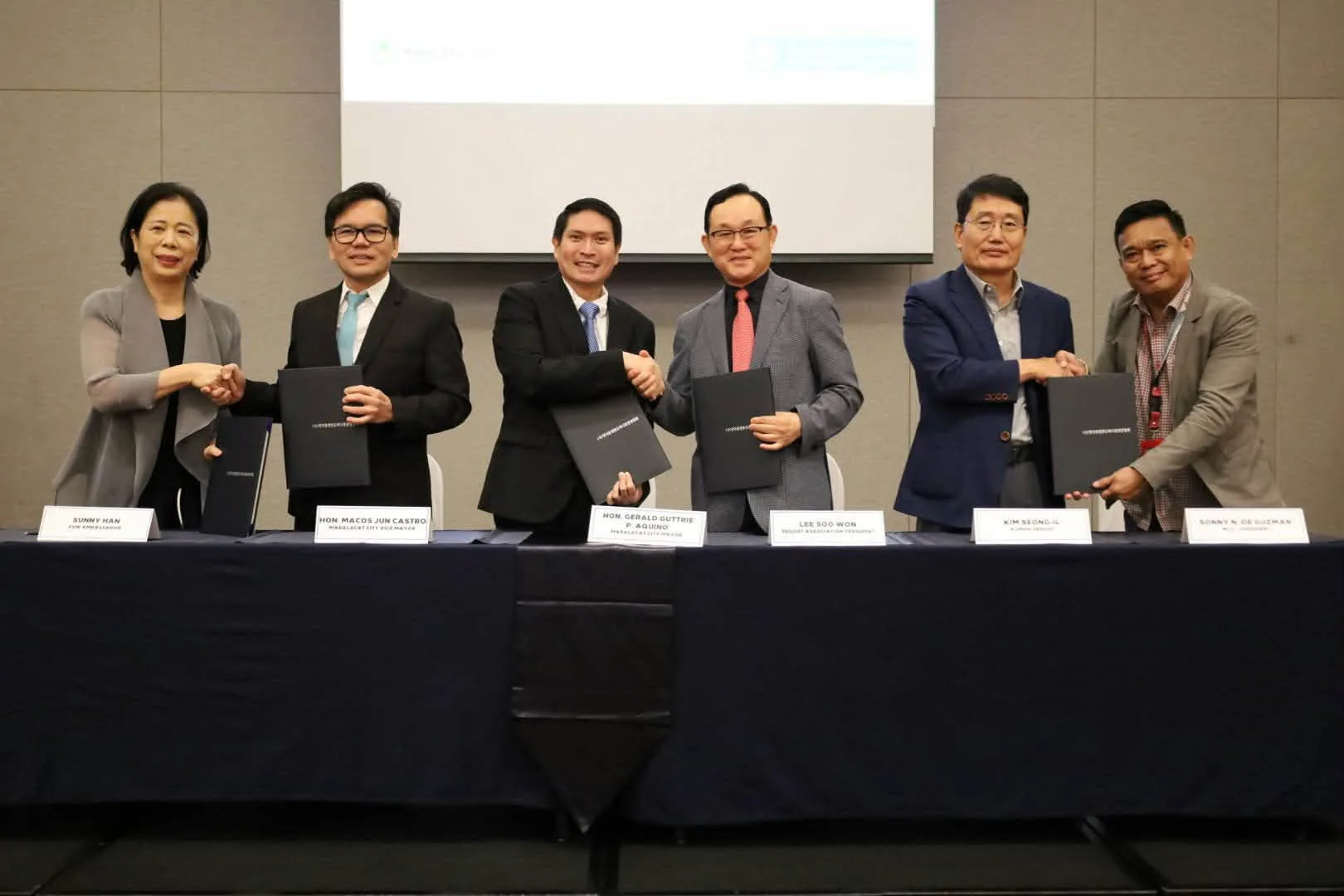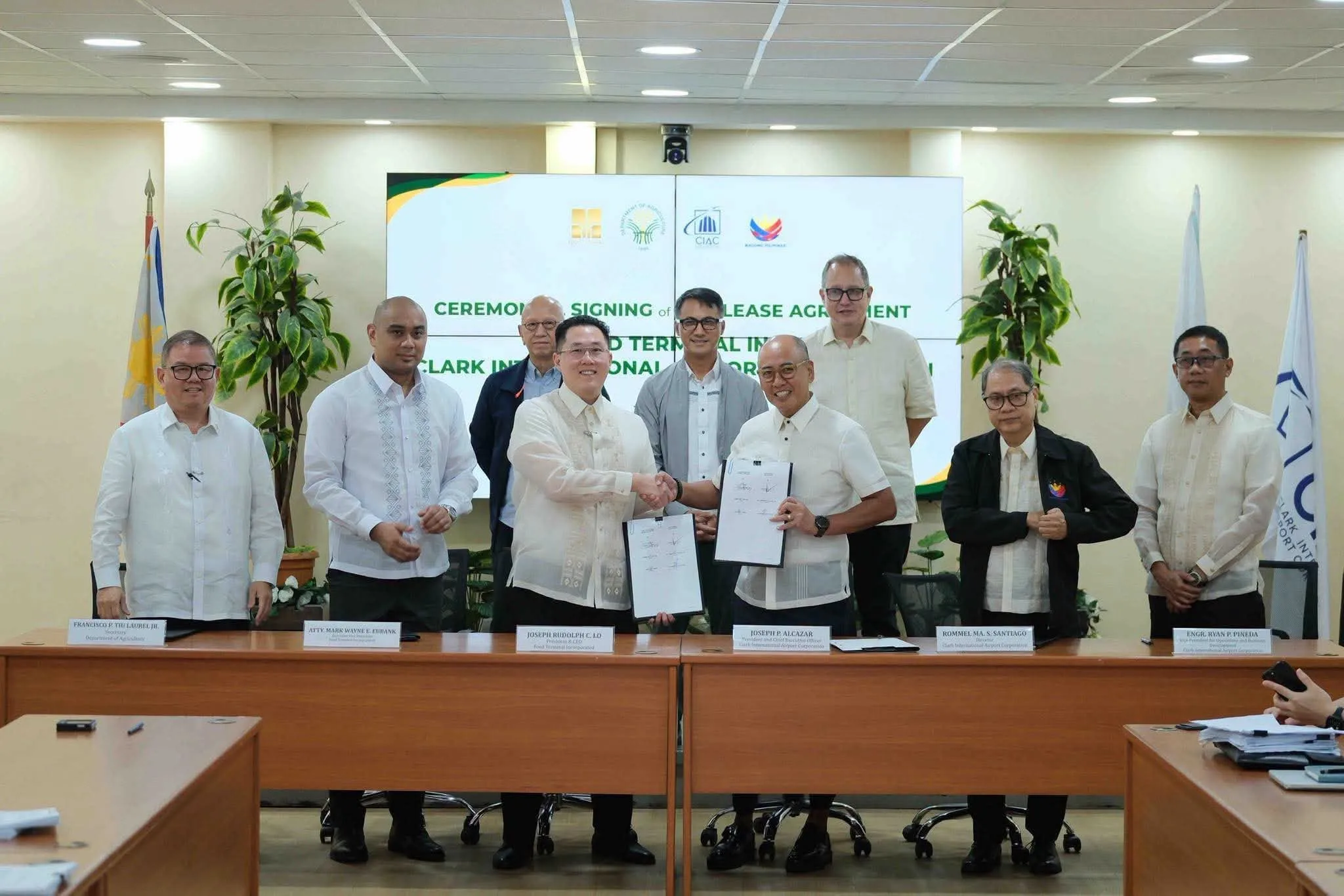
PAMPANGA - The Department of Agriculture is accelerating the development of the PHP 4-billion Clark National Food Hub, moving the project into the construction phase with a target for partial operations before the end of 2027 . The project gained formal momentum with the signing of agreements between the DA and Food Terminal Inc. covering funding and operations, and between FTI and Clark International Airport Corp. for around 40 hectares at the Clark Aviation Capital with provisions for future expansion . Agriculture Secretary Francisco Tiu Laurel Jr. has directed FTI President Joseph Lo and Agriculture Undersecretary Arrey Perez to keep the Mega Food Hub on an accelerated timeline . The hub is designed to close a critical gap between farm production and markets where inefficient logistics erode farmers’ earnings, discourage private investments, and increase costs for consumers.
A Modern Integrated Hub for Farmers and Consumers
The Clark National Food Hub will bring together food aggregation, storage, processing, distribution, and marketing in one integrated system . Planned facilities include food and cold-storage, processing areas, food safety laboratories, export processing facilities, and wholesale and retail spaces . The project is intended to bypass unnecessary supply chain layers, offering farmers and fisherfolk a direct path to sell to major buyers. This structure lowers logistics losses, boosts farm-level income, and stabilizes food prices for consumers, with Agriculture Undersecretary Arrey Perez stating, “Our dream here is simple: to put more money in the pockets of our farmers and fisherfolk”.
Global Benchmarking and Economic Impact
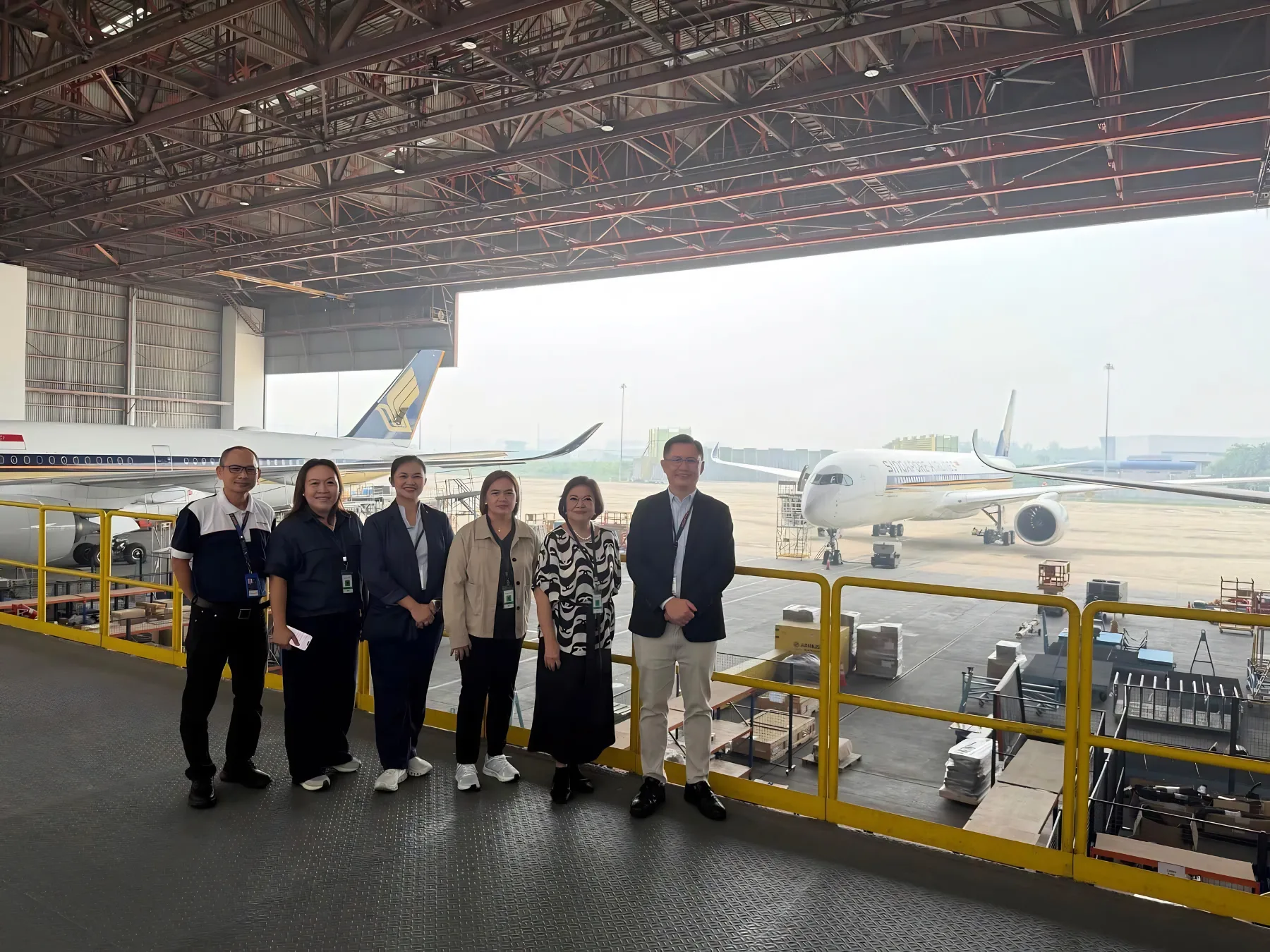
FTI has formed a dedicated team to design the facility’s operations, studying food hub models in Thailand, France, Spain, the Netherlands, and Japan to adapt best practices for the Philippine setting . Once fully operational, the hub is projected to generate around 2,500 direct jobs and create sub-opportunities across agricultural value chains . The facility is situated at the Clark Aviation Capital, linking seamlessly to the Subic Seaport, Clark International Airport, and major road networks connecting Northern and Central Luzon. With PHP 4 billion now committed, the project is moving from planning to construction under the Marcos administration’s vision for a more modern and food-secure agricultural sector .