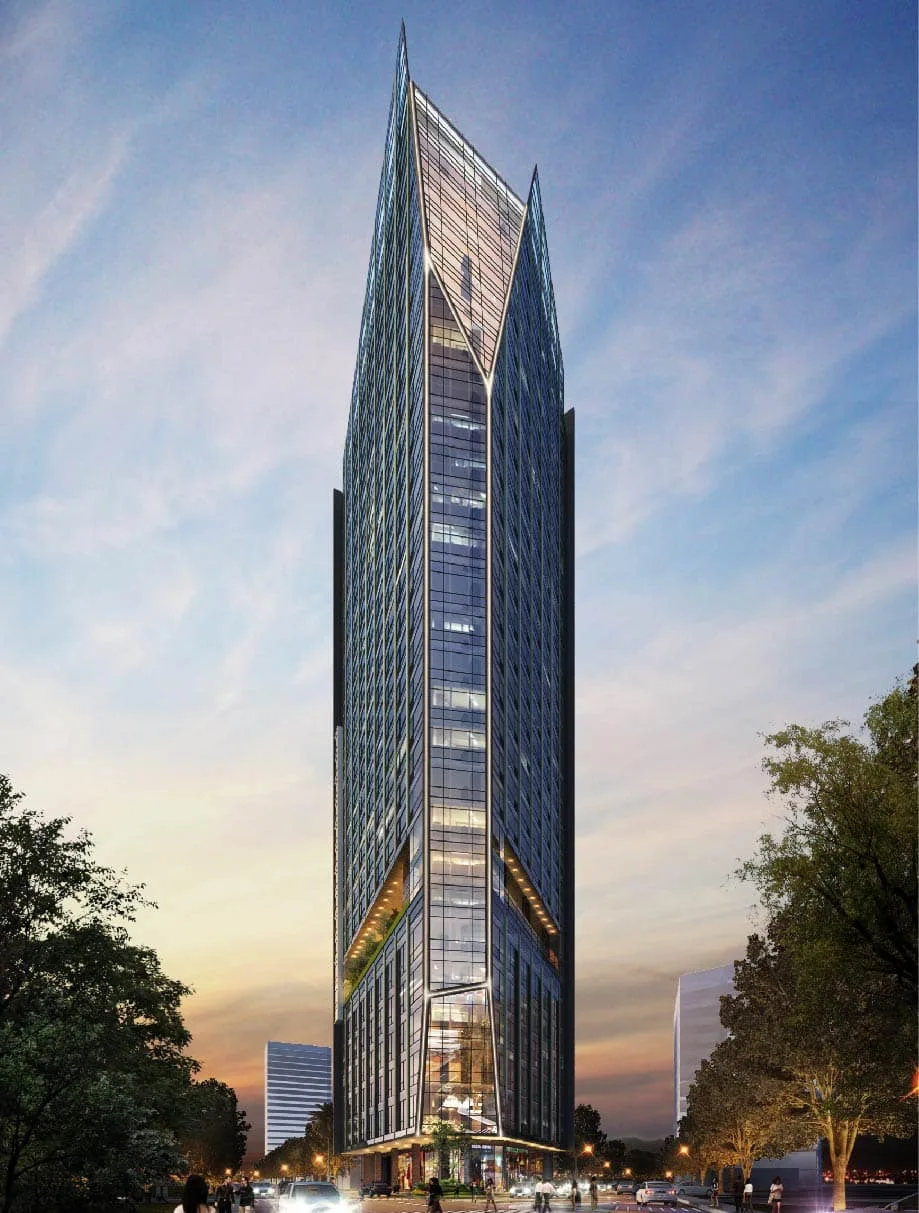
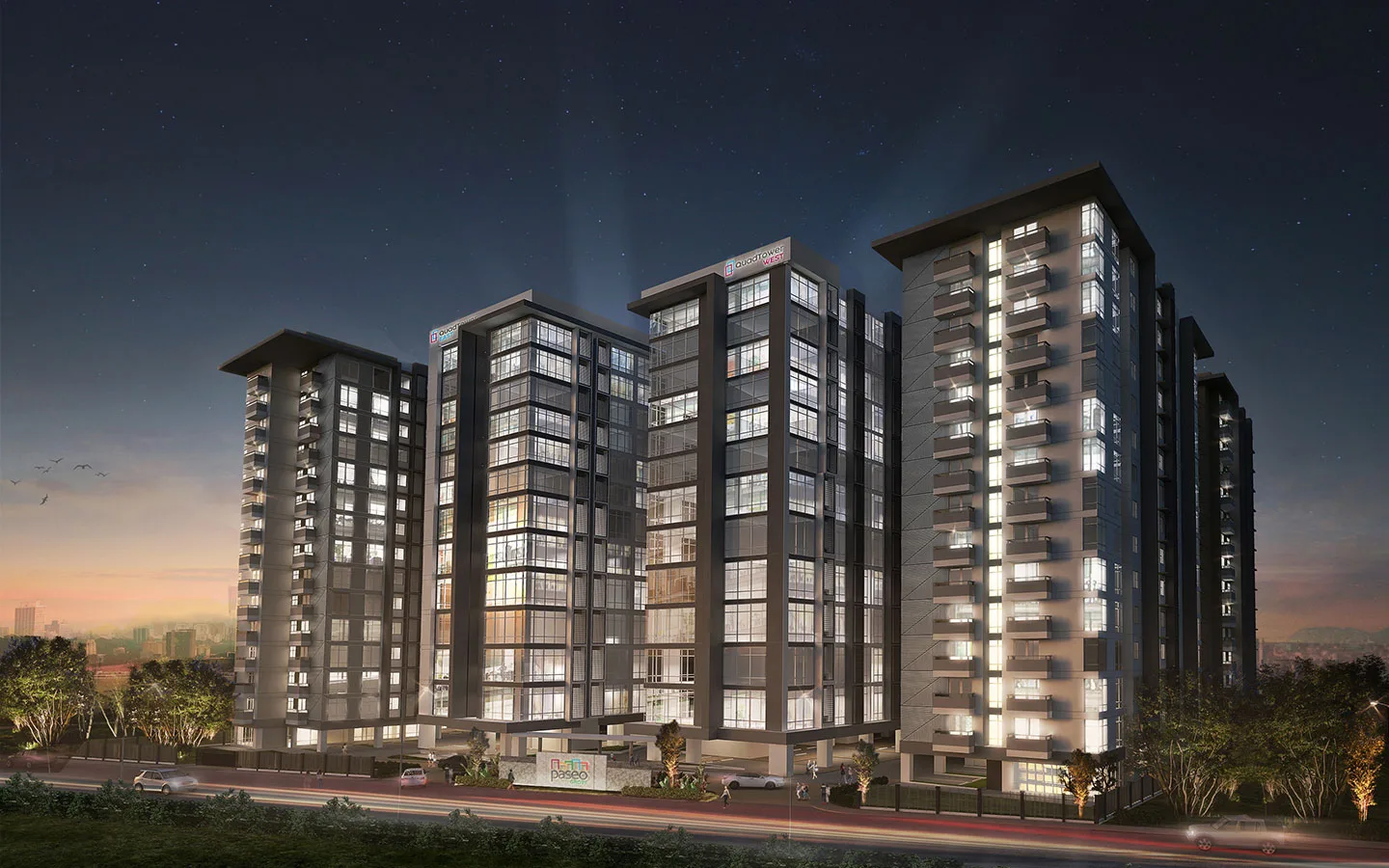
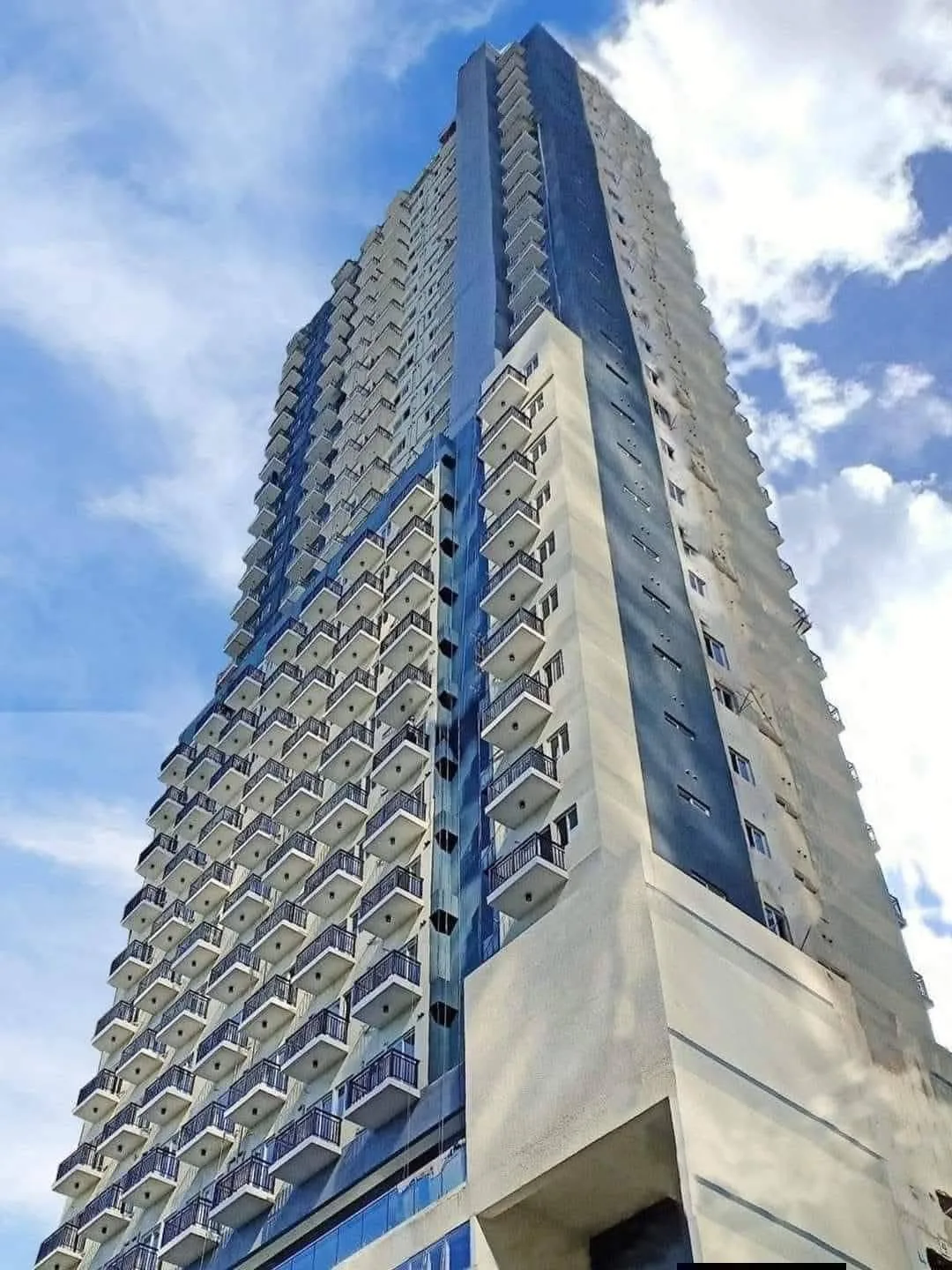
Cebu — The city is rapidly transforming its business model by placing intentional, sustainable design at the core of its economic strategy. Local leaders, urban planners, and industry experts are increasingly moving beyond traditional growth metrics to prioritize environmental, social, and governance (ESG) standards as a primary driver of long-term competitiveness. This design-led approach seeks to integrate green construction, smart manufacturing, and efficient water management into the city's expanding infrastructure, ensuring that development is both resilient and attractive to international investors.
Redefining Development Through Purposeful Design
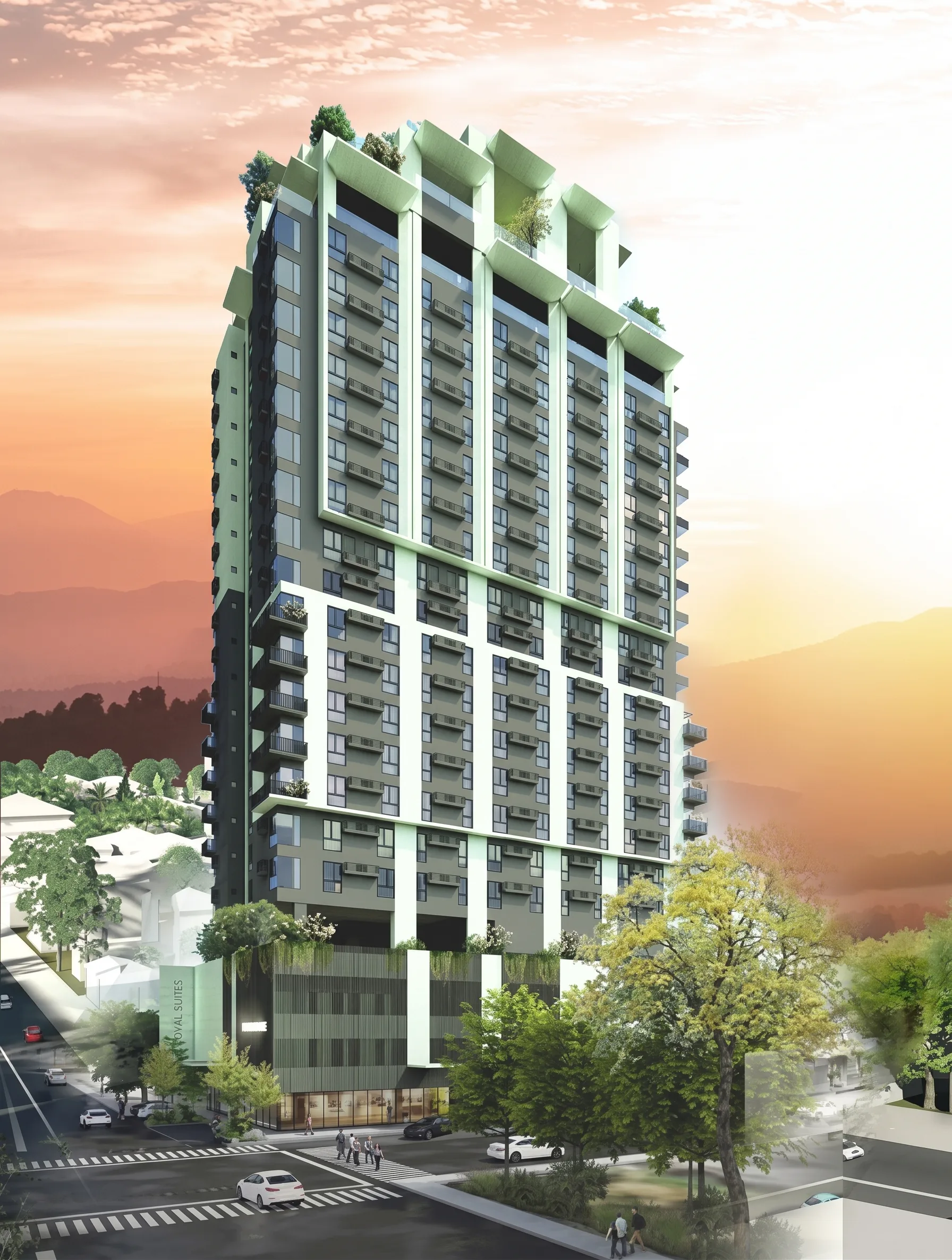
The push for sustainable design in Cebu is rooted in the belief that infrastructure must serve both immediate economic needs and future climate resilience. From the implementation of rainwater catchment systems in public facilities to the planning of medium-rise relocation housing, city officials are focusing on designs that mitigate flood risks and reduce the environmental footprint of urbanization. By mandating waste segregation at the source and promoting green building practices, Cebu is creating an operational framework where efficiency is built into the blueprint of every project. This transition is essential for a fast-growing economy, where the challenge lies in balancing rapid physical expansion with the preservation of natural resources.
Collaboration as a Catalyst for Growth
The movement toward a design-driven sustainability agenda is powered by a unique convergence of local government action, private sector innovation, and international collaboration. Industry leaders are working closely with chambers of commerce to institutionalize ESG practices, transforming them from voluntary goals into actionable business drivers. Foreign chambers—including representatives from Germany, France, Spain, and the Netherlands—are actively engaging with local enterprises to share expertise and facilitate green finance opportunities. This collaborative environment is helping Cebuano businesses adopt smart manufacturing and energy-efficient solutions, effectively signaling to global investors that the region is prepared for a new era of responsible, high-value trade.
Building a Resilient Legacy for Cebuano Businesses
As Cebu continues to navigate the complexities of urbanization, the long-term focus remains on delivering tangible results that enhance the quality of life for all residents. The integration of sustainability into business design is not merely a compliance measure; it is a pathway to attracting the capital necessary to maintain Cebu’s status as a top-tier regional economy. By consistently aligning development projects with climate-resilient engineering and sustainable business models, the province is setting a benchmark for other local government units in the Philippines. This commitment to intentional, forward-thinking design ensures that Cebu’s progress will continue to build upward momentum, fostering prosperity that remains inclusive, resilient, and enduring for future generations.