PHILIPPINES – The Department of Human Settlements and Urban Development (DHSUD) has maintained a pristine record for seven consecutive weeks: zero overdue regulatory applications across all regional offices. The streak, backed by new policies and tighter timelines, is reshaping how quickly housing projects move from blueprint to groundbreaking.
Faster Approvals, Faster Homes
DHSUD spokesperson Undersecretary Marisol Anenias said regional offices must now act on every application within 15 days, declaring it approved, disapproved, or deficient. The accelerated pace is a direct result of Secretary Jose Ramon Aliling’s directive to cut through bureaucratic layers that have long delayed developers.
Projects found lacking are given 90 days to comply, a clear window that reduces uncertainty. The shorter processing time means developers can plan groundbreakings with greater confidence, knowing their permits will not languish in a queue. For the real estate market, the predictability translates into faster delivery of houses, lots, and condominium units to waiting buyers.
New Policies Give Developers Breathing Room
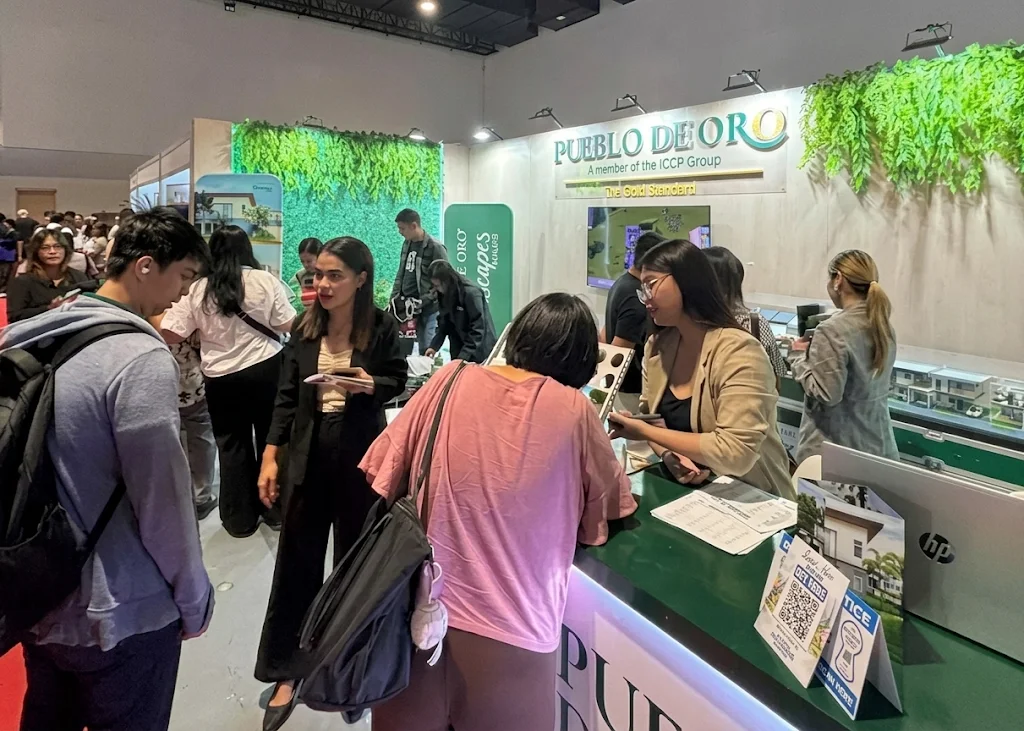
Among the reforms cited is the introduction of the Temporary License to Sell. This tool allows a developer to begin pre‑selling while completing remaining administrative requirements within a prescribed period. The policy addresses one of the industry’s most persistent pain points—cash flow—by unlocking sales revenue earlier in the project cycle.
DHSUD also eased the Balanced Housing compliance requirement. Under the updated rule, a developer can complete its socialized housing component before obtaining the main project’s Certificate of Completion, rather than being forced to finish it prior to securing a License to Sell. The adjustment removes a significant upfront capital burden, particularly for mid‑sized developers, without weakening the mandate to build affordable housing.
Digitalization and Regional Oversight
The ongoing digital transformation under Secretary Aliling’s eight‑point agenda is a key pillar of the turnaround. Moving manual processes to a digital environment reduces face‑to‑face transactions that can breed corruption. Applications are now tracked electronically, leaving a transparent trail that holds both regulators and applicants accountable.
Senior DHSUD officials were also deployed directly to regional offices to resolve localized bottlenecks. Their presence ensures that the new 15‑day standard is not just a policy on paper but a daily operational reality. The combination of technology and hands‑on supervision has produced what Anenias described as “very vibrant” housing sector activity.
Impact on the Industry and Homebuyers
Streamlined permitting directly supports President Ferdinand R. Marcos Jr.’s Pambansang Pabahay para sa Pilipino (4PH) program by speeding up the delivery of affordable units. For homebuyers, the reforms mean quicker turnover of their purchased properties and greater protection against unregistered projects. A valid License to Sell or Temporary License to Sell is now easier for buyers to verify, reducing the risk of falling prey to illegal schemes.
The sustained zero‑backlog performance is also a signal to investors. A regulatory environment that can process permits in 15 days without accumulating overdue files is rare, and it positions the Philippines as a more competitive destination for real estate capital. Developers, institutional funds, and overseas investors now see a housing bureaucracy that is responsive and predictable.
Keeping the Balance
Secretary Aliling emphasized that the reforms are not about relaxing standards but about making the system work for both developers and buyers. The department remains focused on consumer protection while ensuring that the housing supply chain is not clogged by red tape. The goal, he said, is to build more projects so that more Filipino families can own safe, decent, and affordable homes.