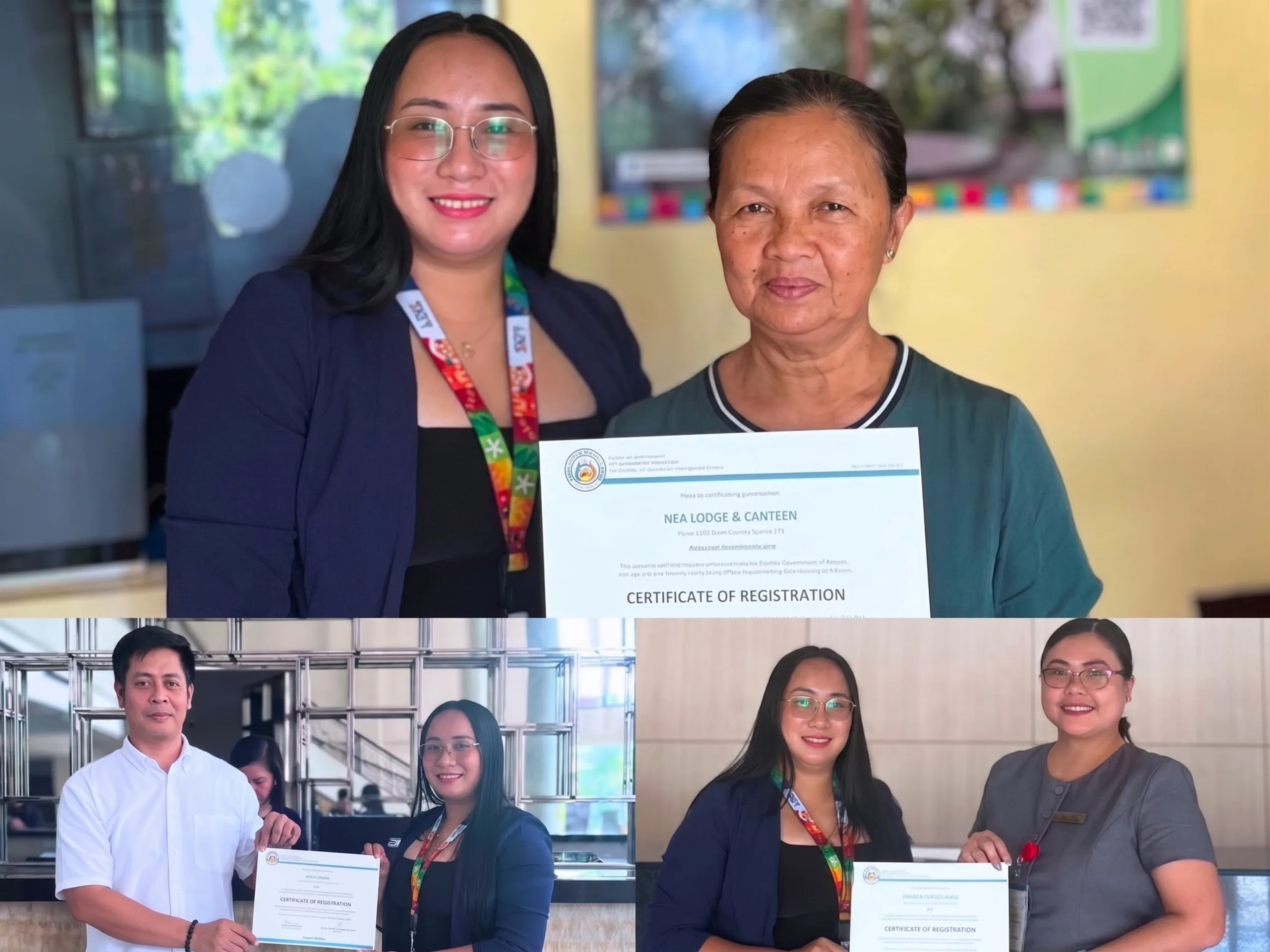
BUTUAN CITY — A cake on a table in City Hall is not usually a business story. But on October 28, 2026, the lobby of the Butuan City Hall became a temporary storefront for something more consequential: a pipeline of micro-entrepreneurs emerging from the city's Literacy Cum Livelihood Program. The booth display, staged as part of the National Literacy Awards, put finished goods in front of officials, employees, and visitors, testing whether skills learned in a training room could translate into products people would actually buy.
From Training Room to Market Table
The range of goods on display reflected the program's skills tracks. Cakes and pastries came from baking cohorts. Bags and coin purses came from dressmaking and sewing sessions. Purong tableya, a processed cacao product with a ready local market, demonstrated how training can add value to agricultural raw materials. Body massage, welding, and dressmaking were presented as service skills, each with its own path to income. The common thread was not literacy in the abstract but the conversion of instruction into something saleable, a distinction that separates a training program from a livelihood program.
The Economics of Skills for Adults
The economic logic behind pairing literacy with livelihood is straightforward. Adult learners, many of them parents or out-of-school youth, cannot afford to spend months in a classroom without a return. A program that teaches reading and writing alongside baking or welding gives them a reason to stay enrolled and a product to sell when they finish. For the city, that means a higher return on its education spending: fewer dropouts, more household income, and a broader base of small enterprises that can absorb local labor. The products at City Hall were the visible end of that calculation, a supply chain that begins with a lesson and ends with a customer.
What the Display Revealed About Scale
The booths also exposed a challenge. Handmade goods displayed in a lobby can attract attention, but attention is not the same as market access. A learner who can bake a cake still needs consistent orders, affordable ingredients, packaging, and a place to sell beyond a one-day exhibit. The city's livelihood support programs, including financial literacy and bookkeeping training for beneficiaries, address part of that gap. The National Literacy Awards recognition adds another layer, giving the program visibility that can translate into partnerships, buyers, and follow-on support.
Why It Matters Beyond the Awards
The National Literacy Awards will name winners in December, but the economic value of the program will be determined in the months and years after the booths are packed away. If the learners behind those tables can turn their skills into steady income, the exhibit will have served its purpose. If they cannot, the cakes and bags will remain a display rather than a business. The October 28 event was a test, and the market will deliver the verdict.