


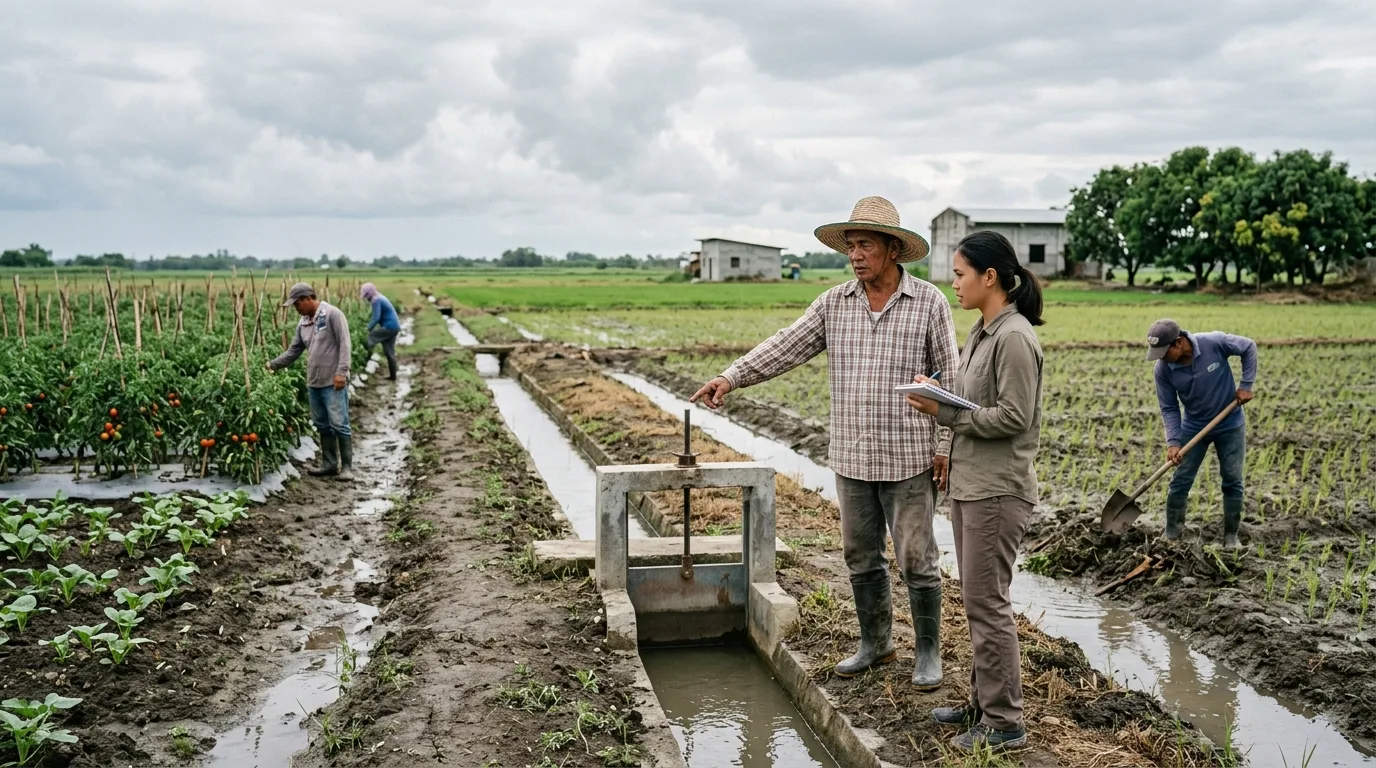
PAMPANGA - For hardworking high-value crop growers, staying prepared and alert is vital to protecting both crops and livelihoods, especially as severe weather continues to affect agricultural communities across Central Luzon. The Department of Agriculture has released essential reminders for farmers during and after heavy rains or typhoons, emphasizing safety and strategic recovery. As the region faces the impacts of the enhanced southwest monsoon, these guidelines serve as a critical resource for farmers looking to minimize losses and restore their farms effectively.
During the Disaster: Safety First and Crop Protection
During heavy rain, flooding, or typhoons, farmers are advised to prioritize safety by avoiding farm visits, especially during lightning or severe weather. Securing seeds, fertilizers, pesticides, and tools in a dry location is essential to prevent losses, while harvesting crops near maturity before the typhoon hits can help reduce crop damage. Ensuring drainage systems and canals are clear of blockages is also vital to allow water to drain quickly and prevent prolonged flooding.
After the Disaster: Assessment and Strategic Recovery
After the disaster, farmers should safely inspect their farm's condition before starting rehabilitation work. Draining stagnant water and clearing clogged canals immediately will help prevent root rot. Damaged plants should not be uprooted immediately; instead, check if they can still recover. Pruning infected or broken parts will help prevent disease spread, while monitoring for pests—which thrive after floods—is essential. Delaying fertilization on stressed or flooded plants is recommended, and farmers must ensure food safety by avoiding the sale or consumption of crops contaminated by floodwater or sewage. Documenting damage through photos and reports is important for government assistance claims, and replanting should only be done when soil conditions are suitable. Farmers are encouraged to coordinate with municipal, city, or provincial agriculture offices or the DA-RFO for proper assessment and support.
