


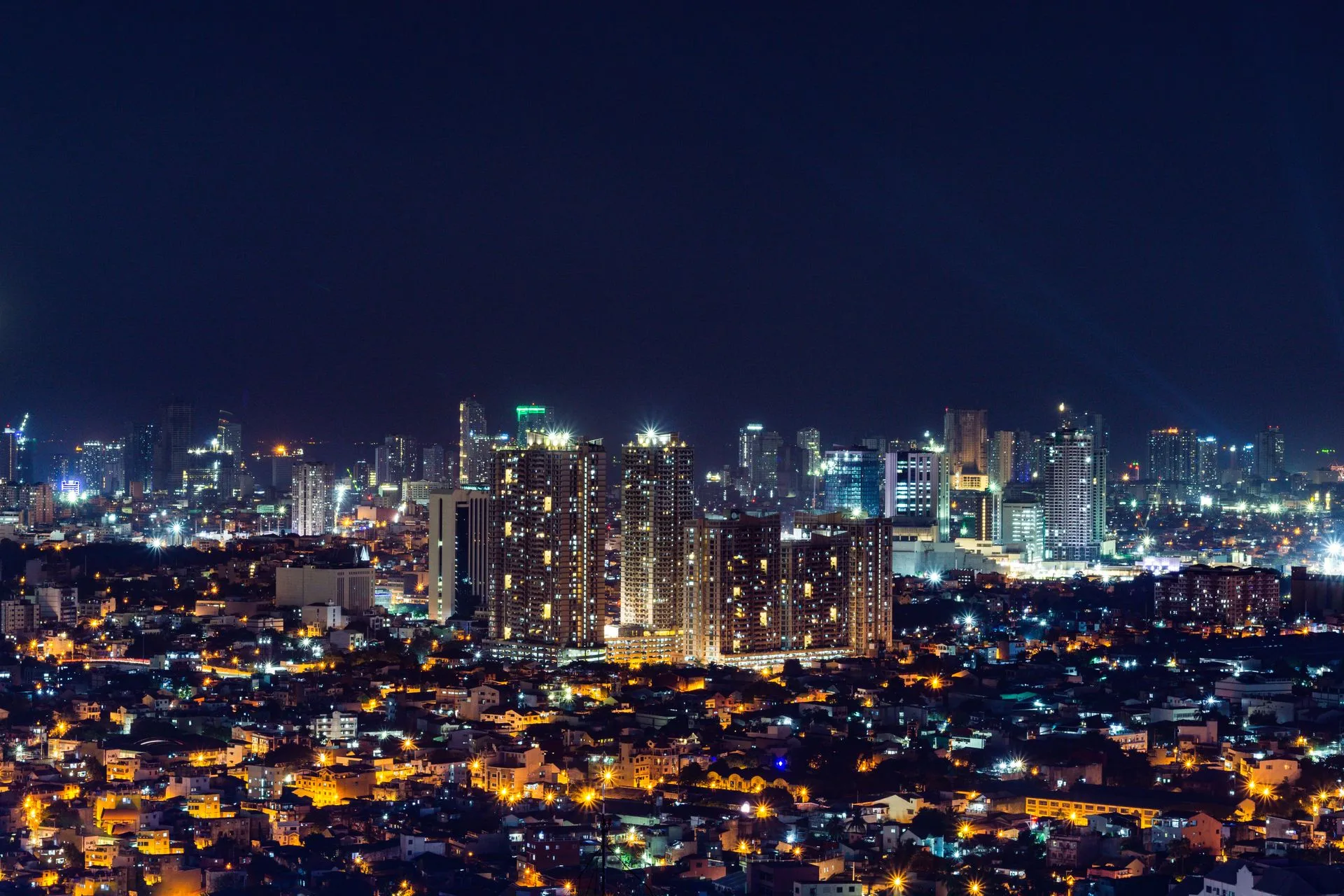
MANILA — Metro Manila has climbed 32 places to rank 174th among the world's 1,000 largest cities in the Oxford Economics Global Cities Index 2026. The capital's upward trajectory cements its status as the Philippines' undisputed megacity and primary economic engine.
A Dominant Position Among Philippine Cities
Manila holds a commanding 214-place lead over the country's second-ranked city, Angeles at 388th. It stands nearly 300 places ahead of regional gateways like Davao at 470th and Cebu at 474th. The capital occupies a distinct competitive tier within the nation, generating over 30 percent of the Philippines' total GDP.
The index evaluates cities across five dimensions: economics, human capital, quality of life, environment, and governance. Manila's position in the global top 200 stems from its concentration of financial capital, academic institutions, and corporate headquarters. Major conglomerates and multinational firms operate from Makati, Bonifacio Global City, and Ortigas Center.
Human Capital as a Standout Strength
Manila's most impressive achievement is its Human Capital ranking of 93rd globally, placing it in the top 100 worldwide. This reflects the concentration of premier academic institutions, including the University of the Philippines, Ateneo de Manila University, De La Salle University, and the University of Santo Tomas.
The capital produces a continuous stream of specialized graduates. A vast, English-proficient, and digitally adaptable workforce forms the backbone of the nation's IT-BPO, financial technology, healthcare, and engineering sectors. A young median population provides a demographic dividend compared to aging peer cities in East Asia.
Addressing Urban Bottlenecks
While economic concentration drives Manila's ranking upward, the city faces pressure in urban management and livability. A critical challenge is the gap in modern zoning regulations, particularly regarding Gross Plot Ratio standards and Transit-Oriented Development frameworks. Fragmented land-use policies across 17 local government units produce hyper-dense commercial cores adjacent to underdeveloped residential pockets.
Transport infrastructure bottlenecks along EDSA and C-5 inflict economic drag on productivity and worker well-being. Escalating real estate values in prime districts create a spatial mismatch, forcing workers to live in peripheral provinces and endure long commutes. High density strains waste systems, drainage networks, and green cover, making heat island mitigation a growing priority.
Strategic Roadmap for Global Competitiveness
To advance into the global top 100, Metro Manila must convert economic scale into sustainable urban livability. Urban planners recommend adopting standardized floor-area-ratio guidelines across all LGUs to incentivize efficient development near transit hubs.
Prioritizing the Metro Manila Subway and North-South Commuter Railway will shift millions of daily trips off road networks. Establishing dedicated busways and interconnected pedestrian walkways linking business centers will further ease congestion. Expanding the MMDA's mandate to enforce unified policies on traffic, waste, and flood management across LGU borders is essential.
Building a Balanced Growth Model
The 2026 Oxford Index confirms Manila's resilience and capacity for growth. The next frontier lies in harmonizing spatial zoning, expediting rail infrastructure, and investing in green urban resilience. By addressing these challenges, Metro Manila can ensure its rise up the global rankings directly enhances the daily lives of its millions of residents.
