


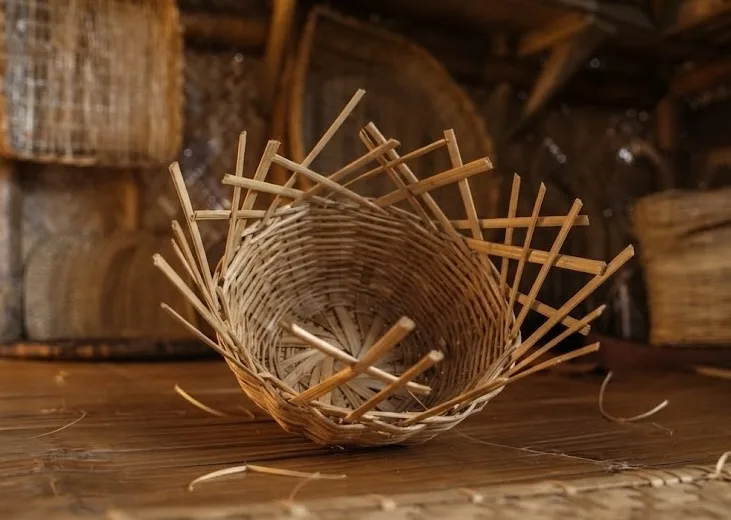
Preserving Heritage Through Everyday Craftsmanship
OZAMIZ CITY - Handwoven products reflect generations of cultural knowledge, patience, and artistic skill. Across Northern Mindanao, DTI Region X continues assisting artisan communities by promoting product improvement, quality standards, and contemporary designs that appeal to broader markets. These efforts encourage weavers to maintain traditional techniques while creating products suited for modern lifestyles, including home décor, fashion accessories, and functional household items. For artisans connected to Ozamiz City, combining heritage with innovation allows local craftsmanship to remain relevant while introducing traditional designs to new audiences.
Opening Doors to Larger Markets
Creative products become more sustainable when artisans gain access to buyers beyond their immediate communities. Through trade fairs, business matching activities, and OTOP marketing initiatives, handcrafted products can reach regional and national customers seeking locally made goods. Product packaging, branding, and design mentoring also help artisans increase the commercial value of their work. As consumer interest in authentic handmade products continues to grow, opportunities expand for weaving communities to strengthen livelihoods while preserving traditional skills that distinguish local craftsmanship from mass-produced alternatives.
Strengthening the Creative Economy
The creative economy thrives when cultural heritage becomes a source of sustainable enterprise. Supporting local artisans not only preserves traditional crafts but also creates employment, encourages entrepreneurship, and promotes cultural tourism. Collaborative efforts among government agencies, designers, educational institutions, and artisan groups help ensure that weaving traditions continue to evolve without losing their cultural identity. For Ozamiz City, strengthening connections between craftsmanship and modern markets contributes to a more diverse local economy while celebrating the creativity that has long been part of the region's cultural landscape.
