


Small Creatures With an Important Role
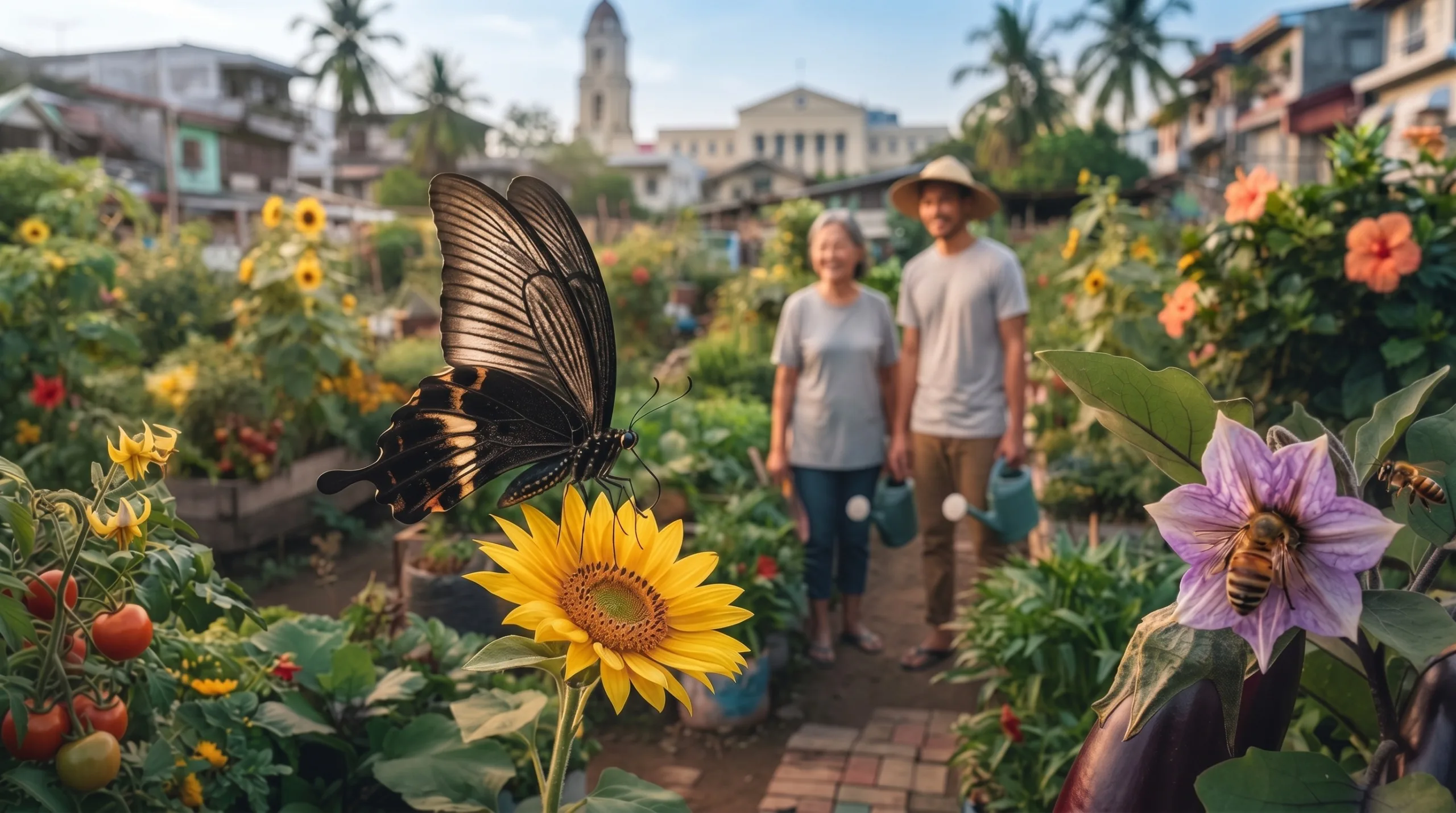
BACOLOD - Pollinators help flowering plants reproduce by transferring pollen between flowers, supporting the development of fruits and seeds in many plant species. Bees are well-known pollinators, but butterflies, moths, certain flies, beetles, and other insects can also contribute to this process. In home gardens, school planting areas, and community vegetable plots, flowering plants can provide food and shelter for these beneficial insects. Gardens growing crops such as squash, cucumber, eggplant, and other flowering vegetables may benefit from pollinator visits, depending on the plant species and its pollination requirements. For residents in neighborhoods such as Sum-ag, Alijis, and Mansilingan, planting a variety of flowering species alongside vegetables can help make small green spaces more welcoming to local biodiversity.
How Urban Gardens Can Support Pollinators
Community gardens and vacant spaces converted into productive planting areas can offer opportunities to create pollinator-friendly environments. Bacolod City's SPROUT initiative promotes urban farms and gardens, while Project HAPAG in Barangay Sum-ag encourages households and communities to grow fruits and vegetables. These programs provide useful starting points for considering how gardens can support both food production and local wildlife. Residents can plant flowering species that bloom at different times, maintain a mix of native plants where suitable, provide clean water in shallow containers, and avoid unnecessary pesticide use that may harm beneficial insects. Leaving some areas with varied vegetation can also provide shelter. With thoughtful planning, even small gardens, balconies, and plant boxes can contribute to a greener urban landscape.
Building a Healthier Relationship With Nature
Pollinator-friendly gardening can encourage residents to observe the natural processes behind the food they grow. Children may learn to recognize butterflies and bees, while gardening groups can discuss plant diversity, responsible pest management, and the importance of protecting insects. These activities can complement community agriculture efforts by making gardens places for both food production and environmental learning. However, pollinators need more than flowers alone: access to suitable nesting areas, a variety of plants, and reduced exposure to harmful chemicals also matter. By considering these needs when developing gardens in Bacolod, homeowners, schools, and community associations can help create green spaces that serve people while providing habitat for wildlife. The result is a more thoughtful approach to urban agriculture, where growing food and caring for nature can work together.
